Can You Put A Garage Door Opener On A Roll Up Door

So, You Want to Put a Garage Door Opener on a Roll-Up Door? Let’s Talk.

Hey there, fellow DIYers and garage tinkerers! Ever found yourself staring at your roll up garage door, coffee in hand, wondering, “Why can’t this thing just open itself like my neighbor’s fancy sectional door?” Trust us, you’re not alone. Roll up doors those sleek, space saving marvels often found in workshops, commercial spaces, or even modern homes have a reputation for being… well, stubborn when it comes to automation. But guess what? It’s totally possible to slap an opener on one, and we’re here to spill the beans on how.

At Atlanta Garage Doors, we’ve tackled this exact question more times than we’ve fixed garage door cables that decided to snap at 2 a.m. (Spoiler: That’s a lot.) Whether you’re in Alpharetta, Marietta, Dunwoody, or somewhere else “near me” in Atlanta, stick around. We’ll break down the hows, whys, and “oh, that’s why” moments of pairing openers with roll-up doors plus when to call in the pros (like us, hint hint).


Why Roll Up Doors Are a Different Beast

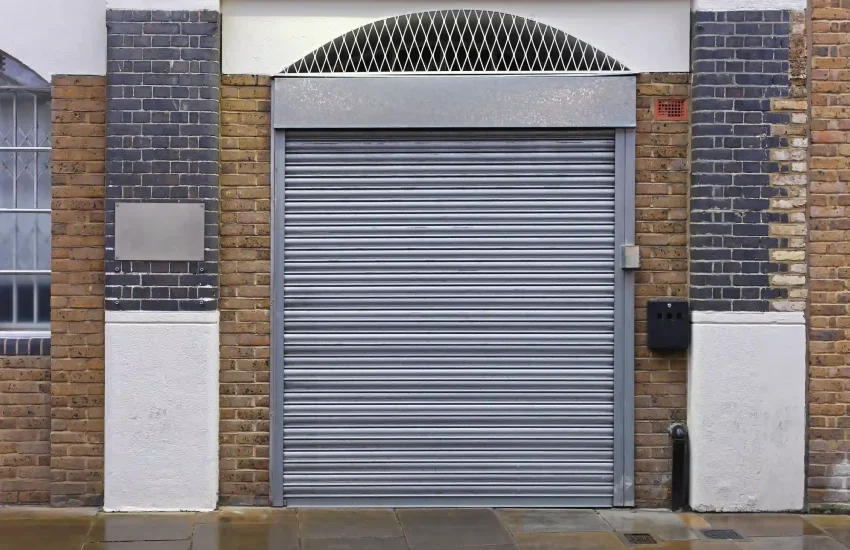
Let’s start with the basics. Roll up doors, often called “rolling steel” or “overhead coiling” doors, roll vertically into a compact coil above the opening. They’re common in commercial garage doors (think auto shops or warehouses) but are sneaking into residential spaces too. Why? They save space, look sharp, and handle heavy use like champs. But here’s the catch: Their design doesn’t always play nice with standard garage door openers.

The Big Three Challenges

  1. No Horizontal Track: Unlike sectional doors that ride on a horizontal track, roll ups coil upward. Most openers are built for tracks, not coils.
  2. Weight Distribution: Roll up doors are heavy. If your opener isn’t beefy enough, it’ll groan louder than your teenager on chore day.
  3. Mounting Complexity: Where do you even attach the opener? Hint: It’s not as simple as bolting it to the ceiling.

But hey, don’t panic. We’ve installed and repaired enough of these to know the workarounds.


Choosing the Right Opener: Because Not All Heroes Wear Capes

First rule of thumb: Not every opener works with roll-up doors. You can’t just grab the cheapest model from the hardware store and call it a day. Here’s what you actually need:

1. Jackshaft Openers: The Roll Up’s BFF

Jackshaft openers are the MVP here. Instead of hanging from the ceiling, they mount beside the door and connect directly to the torsion bar (that metal rod above your door). Why does this matter?

  • Space-Saving: Perfect for tight ceilings.
  • Power: Handles heavy doors without breaking a sweat.
  • Smooth Operation: Less jerking, more gliding.

Pro Tip: If you’re Googling “garage door installation near me” and live in, say, Marietta, ask your installer about jackshaft models. They’re a game changer.

2. Commercial-Grade Motors

Residential garage doors might get by with lighter duty motors, but roll ups demand muscle. Look for openers rated for commercial garage doors or heavy residential use.

3. Safety Features Matter

Auto reverse sensors? Check. Manual release handles? Double check. Roll up doors move fast, and you don’t want a “whoops” moment.


DIY or Call the Pros? Let’s Be Real.

We get it nothing beats the pride of nailing a DIY project. But let’s be honest: Installing an opener on a roll up door isn’t exactly “screw in a lightbulb” territory. Here’s why:

  • Torsion Spring Tension: Messing with torsion bars or cables without training is like juggling chainsaws. One wrong move, and… yeah.
  • Alignment Issues: Even a slight misalignment can wear out your door or opener prematurely.
  • Code Compliance: Commercial spaces often have strict regulations.

FYI: At Atlanta Garage Doors, we’ve seen plenty of DIY attempts gone wrong. One customer in Dunwoody tried rigging a standard opener to their roll-up door and ended up needing emergency garage door service when the motor burned out. Save yourself the headache get a pro.


The Cost Breakdown: What to Expect

Let’s cut through the noise. Here’s a quick table comparing DIY vs. professional installation for roll-up door openers:

Factor DIY Professional (Like Us!)
Cost $300-$600 (parts only) $800-$2,500 (parts + labor)
Time 6-10 hours (or a weekend of frustration) 2-4 hours (while you binge Netflix)
Safety Risk High (springs, heavy doors, etc.) Low (we handle the danger)
Warranty Usually void if installed incorrectly Full warranty on parts and labor

Bottom Line: Unless you’re a seasoned pro, the “savings” aren’t worth the risk.


But Wait, What About… Your Top Questions, Answered

We’ve heard it all. Here are three common questions we tackle daily:

1. Can I use my existing opener?
Probably not. Standard chain/belt drive openers aren’t designed for roll up doors. Jackshaft models are your best bet.

2. How often do these openers need maintenance?
Treat ’em like your car: Lubricate moving parts annually and test safety features monthly. For automatic garage door repair, give us a ring we’ll keep things humming.

3. What if my door starts making weird noises?
Don’t ignore it! A grinding or squealing sound could mean a misaligned opener or worn components. Delaying repairs might mean pricier fixes later.


When to Wave the White Flag (and Call Atlanta Garage Doors)

Look, we love a good DIY challenge. But some jobs scream “call the experts,” especially when:

  • Your door weighs more than your SUV.
  • You’re dealing with garage door cable replacement (those things are under insane tension).
  • You need emergency garage door service after a storm or accident.

Shameless Plug Alert: We’re Atlanta’s go to garage door company for a reason. Our team’s tackled everything from quirky residential garage doors in Alpharetta to massive commercial setups downtown. Plus, our reviews don’t lie we show up, fix it fast, and crack a joke while we’re at it.


Wrapping Up: Your Door, Your Rules

So, can you put a garage door opener on a roll up door? Absolutely. Should you try it alone? IMO, only if you’ve got nerves of steel and a backup plan. For the rest of us mere mortals, there’s no shame in calling reinforcements.

Whether you’re automating a workshop, upgrading your home, or just tired of manually heaving that door open, Atlanta Garage Doors has your back. Next time you’re searching for “garage door services near me,” skip the stress and give us a shout. We’ll handle the heavy lifting literally.

Now, go enjoy that newfound freedom of a self opening door. Just don’t forget to invite us over for the grand unveiling. 😉

Related Articles

People Also Ask

Yes, you can add a motor to a roll-up garage door. Most standard sectional roll-up doors are compatible with retrofit garage door opener kits. The process involves securely mounting the motor unit to the ceiling or header above the door and attaching a carriage to the door's lift cable or a direct-drive system to the torsion bar. It is crucial to ensure the door is properly balanced and all components, like springs and tracks, are in good working order before installation to prevent strain on the new motor. For detailed steps on addressing common issues that can affect automation, refer to our internal guide Roll-Up Door Troubleshooting. Always have a professional assess your specific door to confirm compatibility and ensure a safe installation.

Yes, you can install an electric opener on a roll-up garage door, and it is a common upgrade for both residential and commercial applications. The process involves securely mounting the motor unit to the header above the door and attaching a sturdy carriage to the door's curtain. It is crucial to use a compatible opener model designed for the weight and track style of a roll-up door, as they differ from traditional sectional doors. Professional installation is highly recommended to ensure the safety sensors, limit switches, and reinforcement are correctly configured. For detailed steps on ensuring your door is properly aligned and tensioned before installation, refer to our internal guide How To Adjust Roll Up Garage Door.

Roll-up doors, while space-saving and durable, have several notable disadvantages. Their primary drawback is limited insulation; the thin, rolling slats offer poor thermal resistance, making them inefficient for climate-controlled spaces and potentially increasing energy costs. They are also more susceptible to damage from impacts or improper operation compared to sectional doors, as a dent in a single slat can jam the entire mechanism. Repairs can be complex and costly, often requiring professional service. Furthermore, their design typically offers less aesthetic customization and a smaller clear opening height than some alternatives, which can be a limitation for both curb appeal and the passage of very tall vehicles or equipment.

The cost to install a garage door opener typically ranges from $250 to $550, with a national average around $400. This price includes the unit, labor, and basic hardware. Factors influencing the final cost are the opener's type and power (belt-drive is quieter and more expensive than chain-drive), the door's size and weight, and any additional features like battery backups or smart home connectivity. Complex installations, such as on high ceilings or with new electrical wiring, will increase the price. For a precise quote tailored to your specific door and needs, professional assessment is essential. For residents in the area, our detailed guide on Residential Garage Door Opener Services in Alpharetta GA provides further insights into service options and pricing considerations.

Commercial roll-up door openers are specialized systems designed for high-traffic industrial and retail environments. These openers must handle the unique mechanics of rolling steel doors, which require significant torque and durable components. Key features include robust motors, reinforced chain or belt drives, and advanced safety sensors to prevent accidents. It is crucial to select an opener rated for the door's size and frequency of use. Regular maintenance, such as lubricating tracks and inspecting safety mechanisms, is essential for longevity. Professional installation by certified technicians ensures compliance with safety standards and optimal performance, reducing the risk of operational failures.

Google Facebook

Overall Rating

5.0
★★★★★

467 reviews

Call Now