

Simon was exceptional. We have had issues with our garage doors, he came the same day to do maintenance, explained what the issue was, what our options were, walked us through everything on eye level. Such a great service provider!
I would absolutely recommend working with him and will hire again, thank you Simon and team.

Great service- fast and efficient. Purchased new opener and was up in no time

Great service from Simon and Atlanta Garage Doors! I called on a Sunday evening about broken springs and was pleasantly surprised to speak with a real person, not a virtual assistant. They came out the very next day, provided excellent and timely service, and the price was very affordable. Highly recommend!

Simon came the same day and fixed my Garage door also the same day I’m happy about the faster service.

Professional and prompt service, highly recommend. Also by far the best price.

Simon came in the same day and fixed our springs and cables. He was very knowledgeable and professional
Thanks a lot!

Simon was super quick and repaired my garage within half an hour!! So kind and well priced. 10/10.
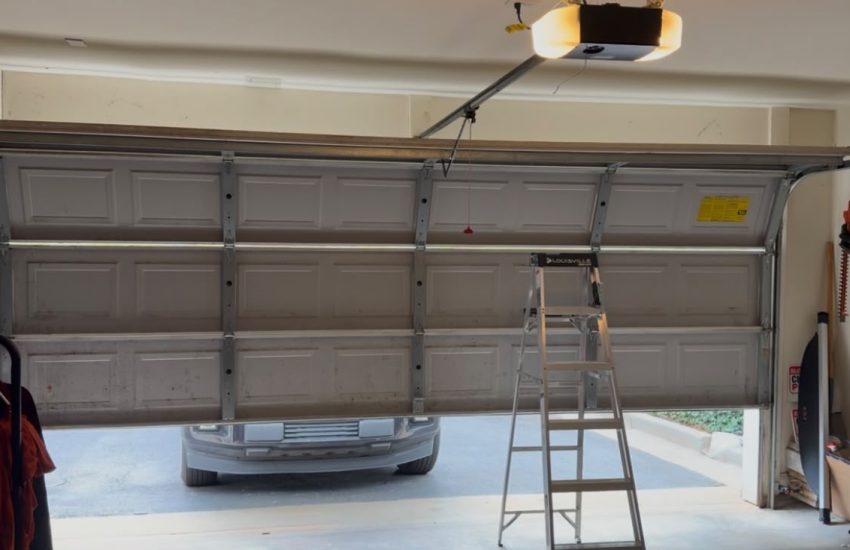

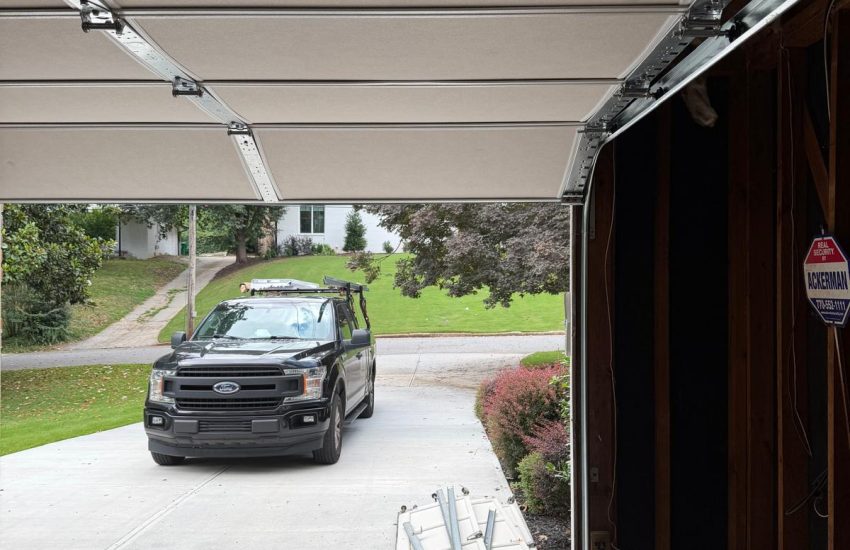
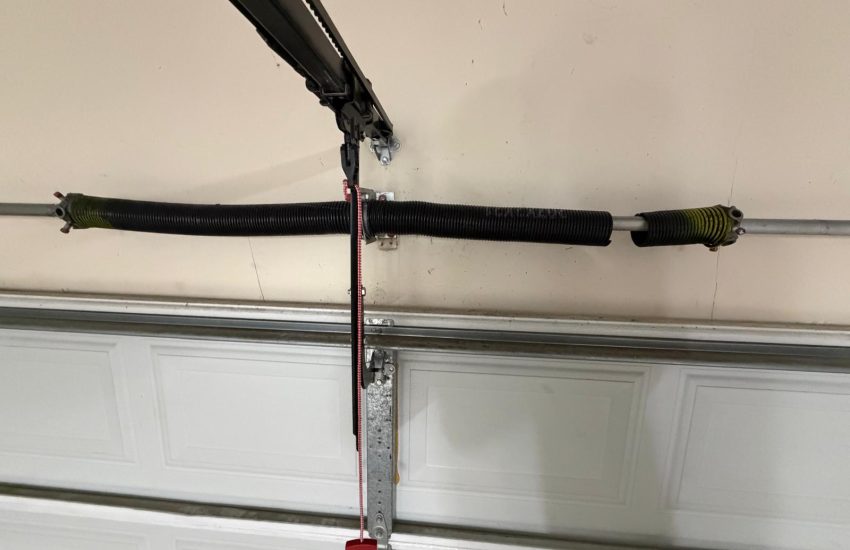
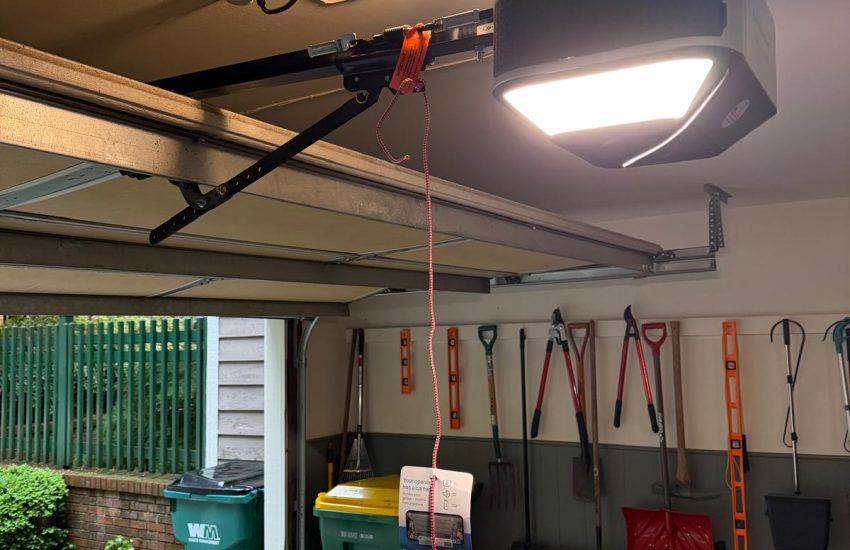

Regular maintenance of your garage door is essential for safety and longevity. You should lubricate all moving parts, including springs, hinges, rollers, and tracks, with a silicone-based lubricant at least twice a year. Visually inspect the cables and springs for signs of wear, fraying, or rust, as these components are under high tension. Test the auto-reverse safety feature by placing a small object, like a block of wood, in the door's path; the door should stop and reverse upon contact. Tighten any loose hardware, such as bolts and brackets, and clean the photo-eye sensors to ensure they are unobstructed. For a deeper understanding of how insulation can affect your door's performance, we recommend reading our internal article titled Do Garage Door Insulation Kits Actually Work?. If you notice any unusual noises or resistance, contact Atlanta Garage Doors for a professional inspection to prevent costly repairs.
For optimal performance, you should lubricate your garage door at least twice a year, typically in the spring and fall. This schedule helps combat the wear from seasonal temperature changes. However, if you hear squeaking, grinding, or notice jerky movements, it is a clear sign that lubrication is needed sooner. Focus on the moving parts: the rollers, hinges, springs, and the chain or screw of the opener. Use a silicone-based or lithium-based spray lubricant, never WD-40 as it is a cleaner, not a lubricant. For a step-by-step guide on safely working with your door's mechanisms, including after a manual release, please see our internal article titled How To Reengage A Garage Door After Pulling A Red Cord?. Atlanta Garage Doors recommends this routine to extend the life of your system and ensure smooth, quiet operation.
For optimal performance, the best thing to lubricate a garage door with is a silicone-based or lithium-based spray lubricant. Avoid using heavy oils like WD-40, as it is a solvent that can attract dirt and grime, leading to premature wear. Focus on applying the lubricant to the moving parts: the rollers, hinges, springs, and the track. Do not lubricate the track itself, as this can cause the rollers to slip and create noise. A light, even application is key. For professional guidance on maintaining these components, including spring systems, our internal article titled Industrial garage door repair provides comprehensive advice. Atlanta Garage Doors recommends a routine lubrication every six months to ensure smooth, quiet operation and extend the life of your door.
Using WD-40 on your garage door is not recommended because it is a solvent-based lubricant that evaporates quickly and leaves behind a sticky residue. This residue attracts dust and dirt, which can actually increase friction on the rollers and hinges over time. For long-lasting performance, you should use a silicone-based or lithium-based lubricant specifically designed for garage door components. For more detailed guidance on this topic, please refer to our internal article titled Can I Spray WD-40 On My Garage Door Rollers?.
Yes, performing regular do-it-yourself garage door maintenance is essential for safety and longevity. Start by visually inspecting the springs, cables, rollers, and tracks for any signs of wear, fraying, or rust. Lubricate all moving parts, including hinges and rollers, with a silicone-based lubricant every six months. A critical step is checking the door's balance: disconnect the opener and manually lift the door halfway. If it does not stay in place, the springs may need professional adjustment. For a thorough guide on this specific task, please refer to our article How To Check Garage Door Balance & Alignment For Sandy Springs Homeowners. Always test the auto-reverse safety feature monthly by placing an object in the door's path. If your door is jerky or noisy, it may indicate a need for professional service. For expert repairs or tune-ups, Atlanta Garage Doors provides reliable solutions to keep your system operating smoothly.
For proper garage door maintenance lubrication, you should use a silicone-based or lithium-based spray, not standard oil or grease. These specialized lubricants are designed for the metal parts of your system, such as hinges, springs, and rollers. Avoid using WD-40 as a lubricant because it is a solvent and cleaner, not a long-term lubricant. It will actually strip away existing grease and cause your parts to dry out and wear faster. For a deeper explanation on this common mistake, you can read our internal article titled Can I Spray WD-40 On My Garage Door Rollers?. For the best results, spray the lubricant directly into the roller bearings and on the spring coils, then operate the door a few times to work it in. Atlanta Garage Doors recommends performing this simple maintenance step every six months to keep your door running quietly and smoothly.


586 reviews


