Garage Door Repair Atlanta | Atlanta Garage Doors Repair & Installation

Tag: Garage Door Security

  • Garage Door Security Upgrade Guide For Metro Atlanta Homeowners

    Garage Door Security Upgrade Guide For Metro Atlanta Homeowners

    Let’s talk about your garage door. Not the squeak, not the paint color—the security. If you’re like most folks in our area, you probably use that door more than your front entrance. It’s where you park your car, store your tools, and maybe even keep the holiday decorations. That makes it a prime target, and a weak point here undermines everything else you’ve done to secure your home. We’ve seen it too many times: a homeowner with a great alarm system, but a garage door opener from 1998.

    The good news? Upgrading isn’t as daunting or expensive as you might think. It’s about layering practical, effective measures that match the realities of living here—from our humid summers that wear out parts faster to the specific types of homes in neighborhoods like Virginia-Highland or Decatur.

    Key Takeaways

    • The biggest vulnerability is often your old, fixed-code remote opener. Upgrading to a modern rolling-code system is the single most effective step.
    • Security is physical and digital. Reinforcing the door itself and securing the emergency release are just as critical as protecting your smart opener from hacking.
    • Local factors matter. Atlanta’s climate can accelerate wear on springs and sensors, creating safety risks that become security risks.
    • A professional assessment can identify hidden weaknesses you might miss and often saves money by preventing costly mistakes or future repairs.

    The Unseen Weak Link in Your Home’s Defense

    We roll in and out, day after day, rarely giving it a second thought. But here’s the uncomfortable truth: a standard, older garage door and opener system is one of the easiest points of entry for a determined person. It’s not always about brute force. Often, it’s about exploiting outdated technology or simple mechanical oversights. We’ve responded to calls in Buckhead and Brookhaven where the entry wasn’t a kicked-in panel, but a door that was quietly, easily manipulated open. The goal isn’t to scare you, but to shift your perspective. Your garage door isn’t just an appliance; it’s a primary entry point that deserves the same security consideration as your deadbolts.

    Your Opener: The First & Most Critical Upgrade

    This is where 90% of the digital vulnerability lies. If your opener remote looks like it belongs in a museum, it probably has a security flaw to match.

    The Problem with Fixed-Code Systems
    Pre-1990s openers (and some cheap modern models) use a fixed, dip-switch code. It’s like having a lock where the key never changes. With a simple, widely available device called a code grabber, someone can capture the signal from your remote as you drive away and replay it to open your door. It’s shockingly easy.

    The Modern Solution: Rolling-Code Technology
    Since the mid-90s, the standard has been rolling-code or hopping-code technology. Every time you press the button, the opener and remote generate a new, unique code. Even if someone intercepts the signal, that code will never work again.

    Featured Snippet: What is a rolling-code garage door opener?
    A rolling-code garage door opener is a security system where the transmitter (your remote) and the receiver (the motor unit) synchronize to use a new, unique code each time the door is operated. This prevents “code grabbing” attacks where a thief records and replays your signal to gain access. It has been the industry security standard since the 1990s.

    If your opener is over 15 years old, upgrading to a modern unit with rolling-code tech isn’t a luxury; it’s a necessity. The peace of mind is worth the investment.

    Beyond the Remote: Physical Reinforcements That Actually Work

    Technology is one side of the coin. The other is pure, simple physical security. A smart thief knows the mechanical tricks.

    Securing the Emergency Release
    That red cord with the handle hanging from your opener’s rail? It’s a mandated safety feature to manually release the door if power fails. It’s also a classic vulnerability. With a simple coat hanger or specialized tool, it can be fished through the top of the door and pulled, releasing the door from the opener entirely. The fix is simple and cheap: a shield kit. This is a plastic or metal guard that blocks access to the release mechanism. It’s a $20 part that takes minutes to install and defeats the most common physical bypass attempt. We install these on every service call where we notice it’s missing.

    Reinforcing the Door Itself
    A flimsy door is an invitation. Focus on the weakest points:

    • The Center Section: On older, non-insulated doors, the center can be flexed and kicked in. A simple horizontal reinforcement bar across the interior adds tremendous rigidity.
    • The Tracks and Brackets: Ensure all mounting brackets that secure the track to the wall and ceiling are using long, proper lag screws into studs or masonry, not just drywall anchors.
    • The Lock: Yes, most doors have a manual lock. Use it. If you’re going on vacation, throw the deadbolt. It’s a simple, effective deterrent.

    The Smart Home Double-Edged Sword

    Integrating your garage door with your smart home system (like Alexa or Google Home) is incredibly convenient. “Hey Google, close the garage door.” But it introduces a new vector for concern: your home Wi-Fi network.

    If your network password is “password123” or you never change the default login on your router, a tech-savvy intruder could potentially gain access. The smart opener itself is usually secure; the weak link is often your network. Always:

    1. Use a strong, unique password for your Wi-Fi.
    2. Ensure your smart opener hub uses strong, unique credentials as well.
    3. Keep the opener’s firmware updated (most modern apps do this automatically).
    4. Use two-factor authentication if your smart home platform supports it.

    Convenience shouldn’t come at the cost of security. Configure it right.

    Why Atlanta’s Climate is a Security Factor

    This isn’t generic advice; this is for our environment. The humidity and heat here accelerate wear on critical components. A severely worn spring isn’t just a breakdown waiting to happen—it’s a security risk. How? A door that’s out of balance or struggling to open might be left partially open by a frustrated homeowner, or it might not close fully, leaving a gap. Similarly, misaligned or sun-bleached safety sensors can prevent the door from closing, leaving your home wide open. Regular maintenance—checking balance, lubricating parts, inspecting springs and cables—isn’t just about longevity; it’s a core part of ensuring your door operates reliably and securely every time you command it to close.

    When to Call a Pro: Saving Time, Risk, and Often Money

    We’re all for savvy homeowners tackling projects. But garage doors are under extreme tension and involve complex electronics. Here’s our frank advice on when to pick up the phone instead of the tool belt:

    • Spring Replacement: The springs hold hundreds of pounds of tension. A mistake here can cause serious injury or property damage. This is an absolute “call a pro” moment.
    • Opener Installation/Replacement: It’s not just bolting in a motor. Proper alignment, force setting calibration, and safety sensor programming are crucial. A misadjusted force setting can be a safety hazard.
    • Persistent Problems: If the door is chronically off-track, noisy, or not sealing properly, the root cause might be structural (like a bent track or failing roller) that requires a trained eye and specific tools.
    • The Comprehensive Security Audit: This is where we add real value. You might install a shield kit, but we’ll also notice the worn bottom seal that could be pried, the loose bracket at the top of the track, and the outdated logic board on your opener that’s nearing failure. One service call can address multiple latent issues you’d never see.

    For homeowners in Atlanta, GA, dealing with the unique wear patterns of our climate and the older housing stock in historic districts, a professional assessment from a local company like ours at Atlanta Garage Doors can identify these hidden weaknesses. It often saves money by bundling fixes and preventing a small issue from becoming a catastrophic (and insecure) failure later.

    Balancing Security, Budget, and Practicality

    Not every home needs a vault door. Your security plan should match your home’s value, location, and your risk tolerance. Below is a practical breakdown of common upgrades, from essential to enhanced.

    Upgrade Tier What It Involves Estimated Cost (Parts Only) Ideal For… The Trade-Off
    Essential Foundation Modern rolling-code opener, emergency release shield, manual lock habit. $250 – $450 Every homeowner. The non-negotiable baseline. Requires an upfront investment for the opener, but is the core of modern garage security.
    Enhanced Physical Layer Adding horizontal reinforcement bars, upgrading to hardened steel mounting brackets, installing a door contact sensor linked to your alarm. $100 – $300 Homes in areas with higher property crime, or with older/weaker door panels. Adds physical bulk and minor installation complexity. The alarm sensor requires professional monitoring fees.
    Full Integration & Fortification Smart opener with 2FA, battery backup, high-security track brackets, and a reinforced, impact-resistant door section. $1,000+ High-value homes, or those seeking the highest tier of automated, resilient security. Significant cost. The highest security smart systems can have a steeper learning curve.

    The Human Element: Your Habits Matter Most

    The best technology in the world fails with poor habits. We can’t tell you how many service calls start with “my door was open when I woke up.” Often, it’s not a malfunction, but a distracted departure, a child playing with a button, or a remote left in an unlocked car. Make a habit of:

    • Watching the door close until it seals, especially at night.
    • Storing remotes out of sight in your car, not on the sun visor.
    • Changing batteries in remotes and keypads annually.
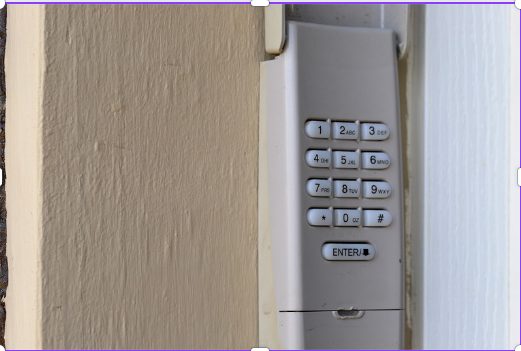
    • Treating the garage door keypad code like a PIN—don’t use your birth year, and change it periodically.

    Security isn’t a product you buy; it’s a system you maintain, both mechanically and behaviorally.

    Wrapping It Up

    Securing your garage door in Metro Atlanta isn’t about turning your home into a fortress. It’s about applying layered, practical measures that address real-world weaknesses. Start with the brain (a modern opener), harden the body (physical reinforcements), and be smart about the network (your smart home setup). Pay attention to the wear and tear our climate inflicts, and don’t hesitate to get a professional opinion on the big-ticket or high-tension items.

    At the end of the day, the goal is peace of mind. Knowing that the door you use most is a reliable, secure barrier lets you focus on the things that actually matter inside your home. It’s a project worth doing right.

  • How To Make A Garage Door Burglar Proof?

    How To Make A Garage Door Burglar Proof?

    Key Takeaways: Making your garage door burglar-proof isn’t about one magic trick. It’s a layered approach that starts with reinforcing the weakest link—the door opener—and extends to lighting, maintenance, and smart habits. The goal is to make your garage a less appealing target than the neighbor’s.

    So, you’re thinking about garage door security. That’s smart. In our line of work, we see the same pattern over and over. A homeowner spends a fortune on a fancy alarm system for their front door, while the garage door—the largest, most mechanically complex entry point to their home—is protected by a flimsy piece of wire and a 20-year-old opener. It’s the classic weak link.

    The primary goal isn’t to create an impenetrable fortress (though we can get close). It’s to increase the time, noise, and effort required for a break-in to the point where a thief simply moves on. Most burglaries are crimes of opportunity, not mission-critical heists. Your job is to remove the opportunity.

    What makes a garage door vulnerable to break-ins?
    The most common point of failure is the emergency release cord on the garage door opener. A thief can use a simple coat hanger or specialized tool to hook that cord through the top seal of the door, disengage the opener, and manually lift the door. Older, non-rolling code transmitters are also vulnerable to “code grabbing.” Finally, weak or damaged door sections, poorly maintained tracks, and flimsy side door locks are all exploitable entry points.

    Start With the Opener: Your First & Best Defense

    Everything begins here. If someone can bypass your opener in ten seconds, nothing else matters. The first step is to disable or physically block access to that emergency release cord. You can buy a simple, inexpensive plastic guard (like the Garage Door Defender) that cages the mechanism. It’s a five-minute install that stops the coat hanger attack cold.

    Next, consider your opener itself. If it’s from the last century, it’s time for an upgrade. Modern openers with rolling code technology change the access code every time you use the remote, making code grabbers useless. Look for models that connect to a secure home network (Wi-Fi) with strong encryption. And for heaven’s sake, change the default factory code. You wouldn’t believe how often we find them still set to 1-2-3-4.

    The Door Itself: More Than Just a Big Panel

    A door in good repair is a secure door. A bent track, a cracked panel, or a spring under extreme tension can all be manipulated or forced. Regular maintenance isn’t just about smooth operation; it’s a security check.

    For the actual door panels, especially on older wooden doors, consider adding horizontal reinforcement bars across the back. These prevent someone from simply kicking in a panel to gain access. For modern steel doors, ensure the panels are firmly interlocked and that there’s no excessive flex. In some of Atlanta’s older neighborhoods like Virginia-Highland or Candler Park, we see beautiful, original wooden doors that have become brittle and weak with age—reinforcement is critical.

    Side doors are a massive vulnerability. That hollow-core door with a basic deadbolt leading from the garage into your house? It’s a burglar’s dream entrance. Replace it with a solid-core or metal door, install a high-quality deadbolt with a reinforced strike plate, and consider a door brace for added peace of mind.

    Lighting & Visibility: The Ultimate Burglar Deterrent

    Thieves hate light and hate being seen. This is the cheapest, most effective layer you can add. Install motion-activated LED floodlights that cover the garage door and any side entrances. Not the dim, yellow ones that come on at dusk and stay on—the bright, sudden ones that activate with movement. They startle and expose.

    Trim back any shrubs or trees that provide cover near garage windows or doors. The goal is to make anyone approaching your garage feel exposed to the street and neighbors. In our sprawling metro areas, where homes can be set back, this visibility is crucial.

    Smart Tech & Good Habits: The Human Layer

    Technology is a fantastic force multiplier. A smart garage door controller lets you monitor and control your door from anywhere, receive instant alerts if it’s opened, and even integrate it with other security systems. But tech is useless without the habit layer.

    Always lock the interior door to your house. Keep your garage door remote out of plain sight in your car—don’t leave it on the visor. And never, ever leave the garage door opener in a car parked outside. We’ve handled calls after thefts where a purse or car was stolen from a gym parking lot, and the thief used the garage remote and the driver’s license address to clean out the home. It’s a devastating one-two punch.

    When Reinforcing Isn’t Enough: The Professional Upgrade

    Sometimes, the best DIY is knowing when to call a pro. If your door is sagging, your springs are shot, or your tracks are misaligned, you’re trying to put a lock on a compromised barrier. A professional can assess the entire system’s integrity.

    We also get asked about high-security locks for garage doors. For sectional doors, a manual slide bolt lock or a T-handle lock that engages directly into the track is a great physical backup. It renders the opener useless until it’s manually unlocked from the inside. This is a wise investment if you travel frequently.

    Here’s a practical breakdown of the security layers, from essential to advanced:

    Security Layer What It Does DIY Difficulty Estimated Cost Why It Works
    Opener Cord Guard Blocks the “coat hanger” attack on the emergency release. Very Easy $20 – $40 Eliminates the #1 exploit method in seconds.
    Motion-Sensor Lights Floods the approach with light upon movement. Moderate $50 – $150 Removes the cover of darkness, a burglar’s best friend.
    Smart Opener/Controller Provides remote control, real-time alerts, and usage history. Easy to Moderate $100 – $300+ Adds digital monitoring and control from anywhere.
    Side Door Reinforcement Upgrades the weakest physical door to a solid barrier. Moderate to Hard $200 – $500+ Secures the easiest point of forced entry into the home.
    Manual T-Handle Lock Physically locks the door to the track, bypassing the opener. Easy $30 – $80 Adds a physical lock that must be cut, making noise and taking time.
    Full Door & Opener Replacement Installs a modern, secure system from the ground up. Professional $1,200+ Addresses systemic weaknesses in old, worn-out equipment.

    The Atlanta Factor: Climate and Quirks

    Our local weather plays a role. The humidity and heat can warp wooden doors and cause metal components to rust or corrode faster, compromising seals and locks. The afternoon thunderstorms? If water pools around your garage, it can speed up that corrosion on bottom brackets and tracks. A well-sealed, properly maintained door is a more secure door. And let’s be honest, the traffic on the Downtown Connector or 285 is its own deterrent—nobody wants to get stuck hauling your TV through gridlock. But don’t count on it.

    The Bottom Line: It’s a System, Not a Product

    You can’t buy “burglar-proof” in a box. It’s the sum of the layers—a secured opener, a maintained door, bright lights, smart tech, and vigilant habits. Start with the easy, cheap wins: guard that opener cord, install bright lights, and lock the interior door. From there, assess your door’s physical condition and consider the tech upgrades that fit your life.

    If you look at your garage door and feel unsure about its mechanics, that’s your sign to get a professional opinion. Often, what seems like a small adjustment can be a tension-filled hazard or a major security flaw. At Atlanta Garage Doors, we do security assessments all the time—it’s usually a quick, informative visit that either gives you peace of mind or a clear plan. Because in the end, that’s what you’re buying: the confidence that your home’s biggest door isn’t its biggest risk.

  • What Is The Best Door To Avoid Burglary?

    What Is The Best Door To Avoid Burglary?

    Let’s be honest, we don’t spend a lot of time thinking about our garage doors until something goes wrong. Then, it’s all we can think about. That grinding noise? The door that reverses for no reason? The cable that’s looking a little… frayed? Suddenly, this giant moving part of our house becomes the center of our universe. Well, take a deep breath. We’re here to talk it out, because as a garage door company right here in Atlanta, we’ve seen it all.

    Think of your garage door as the hardest-working athlete in your home. It lifts heavy weights hundreds of times a year, braves our Georgia heat and the occasional chilly snap, and does it all while looking good (hopefully). But even the best athletes need a good coach and some preventative care. That’s where understanding a bit about garage door services comes in handy. Whether you’re in Marietta, Alpharetta, Dunwoody, or anywhere near the metro area, the principles of keeping this system happy are the same.

    The Heart of the Matter: It’s Usually Not the Opener

    We get this call all the time: “My automatic garage door repair is needed! The opener is broken!” And while opener issues happen, more often than not, the problem lies elsewhere. The opener is just the brain; the springs, cables, rollers, and tracks are the muscles and bones. If those are out of whack, the brain can’t do its job.

    • The Springs are the MVPs: These coils hold the entire weight of the door. When one breaks, you’re not opening anything. This is a job for pros—garage door cable replacement and spring work are high-tension, dangerous tasks. We can’t stress this enough: don’t YouTube this one, folks.
    • Tracks Need to Be Aligned: If the tracks are bent or misaligned, the door will bind, jerk, or sound awful. It’s like trying to run a train on warped rails.
    • Rollers Can Get Worn Out: Old, nylon rollers sound like a dinosaur in distress. Upgrading to steel rollers is a game-changer for smooth, quiet operation.

    So, before you blame the opener, do a quick visual check of these components. See a broken spring, a loose cable, or a dented track? You’ve likely found your culprit. FYI, this is why we always do a full system inspection—it saves you time and money to fix the root cause.

    When Panic Sets In: Handling “Emergency” Situations

    Okay, let’s talk emergencies. You’re coming home from a long day, you hit the button, and… nothing. Or worse, a loud BANG and the door is stuck halfway. Your heart sinks. We call these “Oh, come on!” moments.

    First, don’t panic. Every modern door has a manual release—that red cord with the handle. Pull it, and you can disengage the opener and lift the door manually. Now, a warning: if a spring is broken, that door is going to be heavy. Lift with your legs, and maybe get a neighbor to help.

    This is the exact scenario where having a trusted local company on speed dial pays off. At Atlanta Garage Doors, we prioritize these emergency calls because we know a stuck door is a major security and convenience headache. We’ll get someone to you as quickly as possible, day or night, to secure your home and get you a solution.

    Choosing Your Champion: Residential vs. Commercial Needs

    Not all garage doors are created equal, and your needs in Dunwoody are vastly different from a business in the heart of Atlanta. Let’s break it down.

    For Our Homes (Residential Garage Doors):
    This is about curb appeal, security, and daily smooth operation. We’re talking insulated steel doors for energy efficiency, beautiful carriage-house styles for that classic look, or modern full-view aluminum doors. The focus is on aesthetics, noise level, and smart home integration. It’s the first thing you see coming home, so it should make you smile.

    For Businesses (Commercial Garage Doors):
    Here, it’s all about durability, frequency of use, and functionality. A warehouse in Marietta needs a heavy-duty rolling steel door that can withstand constant use. A fire station needs rapid-open doors. Speed, security, and industrial-grade materials are the key players. The installation philosophy shifts from “looking great” to “working tirelessly.”

    Here’s a quick comparison table we often use with our clients:

    Feature Residential Focus Commercial Focus
    Primary Concern Curb Appeal, Security, Noise Durability, Frequency of Use, Security
    Material Steel, Wood-Composite, Aluminum Heavy-Gauge Steel, Aluminum
    Operation Priority Smooth, Quiet, Reliable Fast, Robust, Low-Maintenance
    Insulation Often High (Energy Efficiency) Sometimes (Climate Control)
    Typical Style Sectional, Carriage-House Rolling Steel, Sectional, High-Speed

    The Investment Talk: “Affordable” Doesn’t Mean “Cheap”

    We see the ads for “$199 installation!” and we have to chuckle. Let’s be real. A quality garage door is an investment in your home’s value, security, and your own peace of mind. When we say affordable, we mean fair, transparent pricing for quality materials and expert labor that lasts.

    Skimping often means:

    • Thinner gauge steel that dents if a bird lands on it.
    • Springs with a shorter life cycle.
    • An installation that isn’t perfectly balanced, leading to premature wear.

    A proper installation from a company like ours includes precise balancing, hardware checks, and safety testing. It’s the difference between a door that works for 5 years and one that works for 15+ with minimal maintenance. IMO, that’s the real definition of affordable.

    Why Your Neighbors’ Opinions Actually Matter (For Once)

    In the age of digital everything, reviews are your best friend. Before you call the nearest company from a flyer on your mailbox, take five minutes to read what people in Alpharetta, Sandy Springs, or Brookhaven are saying. Look for patterns.

    • Do they mention punctuality and professionalism?
    • Are the technicians knowledgeable?
    • Did the company stand behind their work?
    • Was the pricing explained clearly?

    We’re proud that Atlanta Garage Doors has built its reputation one honest review at a time. Our team shows up on time, diagnoses the real issue (not just the symptom), and gives you straight answers. In a world of over-promising, we think that’s what actually builds trust.

    Your Questions, Answered (No Sales Pitch)

    We hear these all the time, so let’s tackle them head-on.

    1. “How often should I actually service my garage door?”
    We recommend a professional tune-up once a year. Think of it like an annual physical for your car. We’ll lubricate moving parts, check spring tension, test safety sensors, and ensure everything is aligned and secure. This prevents about 90% of major failures.

    2. “Can I just replace the door and keep my old opener?”
    Sometimes, but we often don’t recommend it. Older openers lack modern safety features and are often mismatched to the weight and balance of a new, more efficient door. A new, quiet opener with battery backup and smart connectivity makes the entire system work better together. It’s worth the upgrade.

    3. “How long does a typical installation or major repair take?”
    A standard residential door installation usually takes about 4-6 hours from start to clean-up. A spring or cable repair is often done in under an hour. For commercial doors, the timeline varies widely based on size and complexity, but we’ll always give you a clear schedule upfront to minimize your downtime.


    So, what’s the takeaway from our chat? Your garage door is a system. It deserves a little attention, some preventative care, and when things go sideways, the help of experts who treat your home like their own. Whether you need a simple repair, a full installation, or just some advice, you don’t have to figure it out alone.

    If that grinding noise is getting louder, or if you’re just tired of looking at that dented old door, give us a shout at Atlanta Garage Doors. We’re here for the big bangs, the slow declines, and the “hey, can I just ask you something?” moments. Let’s get your hardest-working home athlete back in peak condition 🙂

  • How To Burglar Proof Your Garage Door?

    How To Burglar Proof Your Garage Door?

    Ever have one of those moments where you’re sitting in your car, pressing the garage door remote like it’s a game show buzzer, and nothing happens? We’ve all been there. It’s a special kind of modern frustration, right up there with a buffering video. But here’s the thing we’ve learned from years in the business: your garage door is a silent workhorse, and when it acts up, it’s usually trying to tell you something. Let’s chat about what’s really going on, how to keep things running smoothly, and when it’s time to call in the pros (like us at Atlanta Garage Doors).

    Getting to Know Your Garage Door’s Personality

    Think of your garage door as a member of the family. It has good days, bad days, and it definitely needs regular check-ups. It’s not just a slab of metal or wood; it’s a complex system of springs, cables, rollers, and openers working in a delicate balance.

    The Heavy Lifters: Springs and Cables
    This is where the magic—and the danger—happens. Those big springs above your door hold an immense amount of tension. They’re what make lifting a several-hundred-pound door feel almost easy.

    • Torsion Springs: These sit horizontally above the closed door. They’re sturdy and generally last longer, but when they break, it sounds like a gunshot. No joke.
    • Extension Springs: These run vertically along the tracks on each side. They stretch and contract as the door moves.

    The cables are the unsung heroes, acting as the critical link between the springs and the bottom brackets of the door. If a cable snaps, the spring’s energy has nowhere to go, and the door becomes unbalanced and unsafe. Garage door cable replacement is not a DIY project. The stored energy in those springs is incredibly dangerous. That’s a job we always recommend leaving to trained technicians.

    The Brain and Brawn: Your Opener
    Your automatic garage door opener is the convenience factor we all love. But what happens when it starts acting senile? It might reverse for no reason, make awful grinding noises, or just ignore your commands entirely. Automatic garage door repair often involves adjusting sensors, replacing worn gears, or realigning the travel limits. Sometimes, it’s a quick fix. Other times, the motor has just given up the ghost after 15 years of faithful service.

    The Residential vs. Commercial Door Chat

    Not all doors are created equal, and knowing the difference matters, especially when you need service.

    Residential Garage Doors
    This is our everyday hero. It’s about curb appeal, security, and daily convenience for your home. Materials range from classic steel to beautiful wood, and insulation is a big factor for those of us using the garage as a workshop or gym. The focus is on quiet operation, style, and integrating with your home’s aesthetic.

    Commercial Garage Doors
    These are the heavy-duty beasts. Think warehouses, fire stations, and auto shops. They’re built for constant use, durability, and often much larger openings. We’re talking thicker gauges of metal, more powerful openers, and designs that prioritize function and security above all else. When a business door fails, it’s not just an inconvenience—it’s a security risk and a operational halt. That’s why having a reliable garage door company that understands commercial garage doors is crucial.

    Your Go-To Guide for Common Issues & Lifespans

    Let’s get practical. How long should stuff last, and what are the warning signs? Here’s a handy table we often reference with our customers:

    Component Average Lifespan Tell-Tale Signs of Trouble Urgency Level
    Torsion Springs 7-10 years (cycles) Loud bang, door won’t open, gap in spring Emergency – Door is inoperable
    Extension Springs 5-7 years (cycles) Door slams shut, spring looks stretched High – Risk of cable snap
    Garage Door Cables Varies with spring life Fraying, snapping, door is crooked Emergency – Immediate risk
    Automatic Opener 10-15 years Strange noises, won’t open/close, reverses randomly Medium – Annoying, but often repairable
    Rollers (Nylon) 15-20 years Squeaking, grinding, visible wear/chipping Low-Medium – Affects smoothness & noise
    Weather Stripping 5-10 years Drafts, water/pest intrusion, visible cracks Low – Impacts efficiency, not safety

    See a pattern? The springs are the heart of the system, and their failure dictates your urgency. FYI, “cycles” means one full open and close. Do the math on how many times a day you use your door—it adds up fast!

    When to DIY and When to Wave the White Flag

    We’re all for handy projects. Lubricating the moving parts (use silicone spray for rollers, lithium grease for the opener chain) is a great quarterly habit. Testing the auto-reverse safety feature monthly by placing a 2×4 on the floor is a must. And wiping down the photo-eye sensors? Easy peasy.

    But let’s be real, with a dash of sarcasm: your garage door is not the place to “learn as you go” with a YouTube tutorial and a socket set from 1998. Here’s our non-negotiable list for calling a pro:

    • Anything to do with springs or cables.
    • A door that is off-track (those rollers should never leave the track).
    • Major opener motor issues or replacement.
    • Any situation where the door is stuck shut with your car inside, or stuck open when you’re leaving town. IMO, that’s a bona fide emergency situation.

    Why Your Local Atlanta Neighborhood Matters

    Here’s a bit of our personal, on-the-ground experience. Garage doors in Alpharetta face different wear and tear than those in historic Marietta homes. The humidity affects materials. The age of homes varies. A garage door company that knows Atlanta and its suburbs understands these nuances. When you search for “garage door services near me” or the “nearest emergency repair,” you want a team that can get to you quickly in Dunwoody traffic patterns and has the right parts on their truck.

    That’s the advantage of working with a local team like ours at Atlanta Garage Doors. We’re not a national call center dispatching a random contractor. We’re your neighbors. We know that a sudden spring break on a rainy Monday morning is a massive headache, and we prioritize getting to you fast. We also believe in affordable, transparent pricing—no shocker bills, just honest work.

    The Three Questions We Hear All the Time

    Let’s tackle some FAQs head-on.

    1. “My door is making a terrible noise. Is it going to break?”
    Probably, but not necessarily tonight. Grinding usually points to worn rollers or a lack of lubrication. A loud screech might be dry hinges. But a loud pop or bang? That’s almost certainly a spring failure, and the door is now unsafe to operate. When in doubt, get it checked. A little noise today often prevents a big repair tomorrow.

    2. “How often should I schedule maintenance?”
    We recommend a professional tune-up once a year. Think of it like an annual physical for your door. We’ll check spring tension, inspect cables, test safety features, and tighten hardware. It’s the single best way to extend the life of every component and avoid those surprise breakdowns. It’s one of the most affordable investments you can make in the system.

    3. “How do I choose a reliable service company?”
    Ah, the million-dollar question. Beyond the obvious (licensed, insured), reviews are your best friend. Look for consistent patterns in feedback. Do they show up on time? Are their quotes accurate? Do they explain the problem clearly? Check their Google My Business and BBB profiles. A company like Atlanta Garage Doors builds its reputation one satisfied customer at a time, and we’re proud of what our clients say about our repair and installation work.

    Wrapping It All Up

    So, what’s the takeaway? Your garage door is a system that demands a little respect and some proactive care. Listen to its squeaks and groans. Don’t ignore the small issues. And for the love of all that is holy, leave the spring work to the professionals 🙂

    Whether you’re in need of a simple repair, a full installation of a new quiet-opener system, or you just want that annual peace-of-mind check, having a trusted local team on speed dial is the ultimate convenience. If you’re in the Atlanta area and your door is giving you the silent treatment (or the loud, obnoxious one), give us a shout at Atlanta Garage Doors. Let’s keep your door—and your day—running smoothly.

  • How To Burglar Proof A Garage Door?

    How To Burglar Proof A Garage Door?

    Let’s be honest, we don’t spend a lot of time thinking about our garage doors until something goes wrong. Then, it’s the only thing we can think about. That grinding noise? That door that reverses for no reason? Or the ultimate panic—a door that just won’t open when you’re already late? We’ve been there, and we get it. As a local garage door company right here in Atlanta, we’ve seen it all. So, grab a coffee, and let’s chat about the unsung hero of your home: your garage door.

    The Heart of the Home (No, Really)

    We know, calling a garage door the “heart of the home” sounds like a stretch. But think about it. It’s your main entry point most days, it protects your cars and your stuff, and it’s a huge part of your home’s curb appeal. A beautiful, functioning door makes life smooth. A problematic one? It’s a daily source of stress. Whether you’re in Marietta with a classic colonial or in Alpharetta with a modern build, that big slab of moving parts matters more than we give it credit for.

    Residential vs. Commercial: It’s a Different Beast

    Now, when we talk garage door services, we’re really talking about two completely different worlds. Understanding this difference saves time, money, and a major headache.

    Residential Garage Doors are all about aesthetics, security, and daily convenience. We’re thinking about insulation, window styles, and how it complements your home’s paint color. The operation is quieter, and the design options are endless. It’s a very personal choice.

    Commercial Garage Doors, on the other hand, are the workhorses of the business world. Durability, frequency of use, and security are king. We’re talking heavy-duty materials, higher lift cycles, and often, specialized operating mechanisms. The “curb appeal” is about projecting professionalism and ensuring unimpeded workflow. You wouldn’t put a charming carriage-house style door on a warehouse, right?

    Here’s a quick breakdown we often use with our clients:

    Feature Residential Garage Doors Commercial Garage Doors
    Primary Concern Aesthetics, Security, Insulation Durability, Frequency of Use, Security
    Material Steel, Wood, Aluminum, Vinyl Heavy-Gauge Steel, Aluminum, Fiberglass
    Operation Standard sectional lift, quieter motors High-cycle openers, rolling steel doors, faster operation
    Typical Use 2-5 cycles per day Dozens to hundreds of cycles per day
    Design Focus Curb appeal, complementing home style Function, efficiency, brand image

    When Things Go Bump (Or Grind, Or Snap)

    This is where the conversation gets real. Most of us ignore the little signs until we have a big problem. IMO, that’s like ignoring a check engine light. A small, affordable repair today can prevent a catastrophic failure tomorrow.

    Let’s talk about the usual suspects:

    • The Noisy Symphony: Grinding, screeching, banging. Usually, this is a sign of worn rollers, loose hardware, or a lack of lubrication. It’s often a simple fix, but let it go, and you wear out other, more expensive parts.
    • The Unbalanced Act: Disconnect your opener and try to lift the door manually. If it’s heavy or doesn’t stay put about halfway up, your springs are likely failing. This is a job for pros—garage door cable replacement and spring work are high-tension and dangerous. Seriously, don’t YouTube this one.
    • The Opener Has a Mind of Its Own: This is where automatic garage door repair comes in. Sensors misaligned? Programming glitch? A faulty logic board? We troubleshoot these mysteries every day. Sometimes it’s a five-minute fix; sometimes the unit is just toast.

    And then there’s the true emergency. A broken spring that sounds like a gunshot, a door that’s come off its tracks, or a cable that’s snapped. This isn’t just an inconvenience; it’s a major security risk. When this happens, you need help fast. This is exactly why Atlanta Garage Doors offers emergency service. We know you can’t wait until “business hours” when your garage is gaping open to the world.

    Choosing Your Partner: More Than Just the Nearest Listing

    Okay, so you need help. You’re going to search for the “nearest garage door repair” or “garage door services near me.” We get it. But let’s offer some insider advice from our years in the trenches here in Dunwoody, Atlanta, and all over the metro area.

    • Read the Reviews (But Read Them Smartly): We all check reviews. Look for patterns. Are people consistently mentioning punctuality, clear pricing, and good workmanship? Do they mention the technician by name? That’s gold. A few outliers are normal, but the overall story matters.
    • Beware the “Too-Good-To-Be-True” Quote: We’ve had to fix a lot of “budget” jobs. Lowball quotes often mean lowball parts, rushed work, or hidden fees that appear later. Affordable should mean fair value, not the cheapest possible price that leads to a callback in a month.
    • Transparency is Key: A reputable company will diagnose the problem with you, explain exactly what needs doing, and provide a clear, upfront price before turning a single wrench. No mysteries.

    Why do we stress this? Because your garage door system is a significant investment. You want it done right the first time, with parts that last and a warranty that means something. That’s the standard we’ve built Atlanta Garage Doors on. We’re your neighbors, and we plan to be here tomorrow.

    Your Top Questions, Answered

    We hear these all the time, so let’s tackle them head-on.

    1. “Can I just replace the springs or cables myself to save money?”
    Short answer? We really, really don’t recommend it. Those torsion springs are under immense pressure—hundreds of pounds of it. A mishandled spring can cause serious injury or property damage. Garage door cable replacement is similarly risky, as a snapped cable under tension is dangerous. This is one area where professional training and the right tools are non-negotiable. Your safety is worth the service call.

    2. “How often should I actually maintain my garage door?”
    Great question! A simple DIY check twice a year does wonders. Listen for unusual noises, visually inspect the springs for gaps (a sign they’re wearing out), check the balance of the door, and test the auto-reverse safety feature. Clean and lubricate the moving parts (rollers, hinges) with a garage-door-specific lubricant. For a thorough inspection, an annual professional tune-up can catch small issues before they become big ones. FYI, it’s one of the most overlooked maintenance tasks in homeownership.

    3. “My door is working, but it’s ancient and ugly. Is a new installation worth it?”
    Absolutely. Beyond the obvious curb appeal boost (which does wonders for your home’s value), modern doors are far more energy-efficient, quieter, and safer. Newer openers have rolling code technology for better security and battery backup for peace of mind. The upgrade in daily functionality and aesthetics often surprises people—they didn’t realize how much they disliked their old door until they got a new one. We see it all the time, and it’s genuinely one of the more satisfying jobs we do.

    Wrapping It All Up

    So, what’s the takeaway? Your garage door is a complex, hardworking piece of machinery. It deserves a little attention and the right care when it needs it. Whether you’re mulling over a stylish new installation for your home, need a robust solution for your business with commercial garage doors, or you’re in a pinch with an emergency repair, the partner you choose makes all the difference.

    Look for experience, transparency, and a local team that stands behind their work. We built Atlanta Garage Doors to be exactly that kind of partner for our community. When that door finally moves smoothly and quietly again, you’ll forget it was ever a problem… until your neighbor asks who you used 🙂

  • Is Your Sandy Springs Garage Door Safe From Intruders?

    Is Your Sandy Springs Garage Door Safe From Intruders?

    Let’s be honest, we don’t think about our garage doors until they start thinking for themselves. You know the drill: that ominous grinding noise when you’re already late, the door that reverses for no reason like it’s having second thoughts, or the heart-sinking sight of a cable hanging loose. Suddenly, this massive piece of hardware you use every day becomes your home’s most high-maintenance feature. We get it. We’ve seen it all in Atlanta, from the historic homes in Druid Hills to the new builds in Alpharetta. So, pull up a chair, and let’s talk garage doors—no jargon, just straight talk from fellow enthusiasts who fix these things for a living.

    The Heart of the Home (No, Really)

    We’ll argue that the garage door is the true workhorse of your house. It’s the largest moving object you own, it protects your cars, your tools, and often serves as the main family entrance. When it works, it’s seamless. When it doesn’t, it’s a security risk, an inconvenience, and a potential safety hazard all rolled into one. That’s why understanding a bit about its care and feeding is crucial.

    Think of it like a car. You wouldn’t ignore a strange noise in your engine for years, right? Yet, we often let our garage doors groan and shudder until the inevitable happens. Regular maintenance is the key, but knowing when to call in the pros for garage door repair is what saves you money and headaches in the long run.

    When DIY is A-Okay, and When to Wave the White Flag

    A little preventative care goes a long way. Here’s what we, as a garage door company, genuinely recommend you can handle:

    • Visual Inspection: Every few months, just look. Check for loose hardware, like bolts and brackets on the tracks.
    • Lubrication: A silicone-based lubricant on the rollers, hinges, and springs (the non-coiled parts) can quiet a noisy door. Avoid WD-40 for this—it’s a degreaser, not a long-term lubricant.
    • Weather Seal Check: Make sure the rubber seal at the bottom isn’t cracked or brittle. It keeps the Georgia heat, pollen, and the occasional surprise downpour out of your garage.

    Now, let’s talk about when to stop. This isn’t us trying to drum up business; this is serious safety talk. Never, ever mess with torsion springs or garage door cable replacement yourself. These components are under extreme tension. A mishandled spring can cause severe injury or property damage. It’s one of the few household repairs we firmly believe should be left to trained technicians. IMO, it’s just not worth the risk.

    The Big Decision: Repair or Replace?

    This is the million-dollar question (or more accurately, the several-hundred to few-thousand-dollar question). How do you know if you need a simple fix or a full garage door installation?

    Consider repair if:

    • The door is relatively new (less than 10-15 years old).
    • The issue is isolated, like a single broken roller or a misaligned sensor.
    • The panels are in good shape, and you’re happy with the style and insulation.

    Consider replacement if:

    • Your door is older and requires frequent repairs. You’re throwing good money after bad.
    • The panels are dented, rusting, or look dated. This is a huge curb appeal item!
    • You’re dealing with a major failure of a spring or cable on an old, inefficient door.
    • You want to upgrade insulation or switch from a manual to an automatic garage door repair system (though we can usually automate most existing doors, too).

    We see this crossroads all the time with our neighbors in Marietta and Dunwoody. Often, a quick, honest assessment from a professional can give you the clarity you need to make the right financial decision.

    Residential vs. Commercial: Different Beasts, Same Heart

    At Atlanta Garage Doors, we handle both sides of the coin, and they are fascinatingly different. Your residential garage doors are about security, curb appeal, and daily convenience. They’re an extension of your home’s personality.

    Commercial garage doors, on the other hand, are about durability, frequency of use, and often, specific operational needs. Think warehouse roll-ups, high-speed doors for shipping bays, or secure sectional doors for fire stations. The scale and stress are amplified, so the components are heavier-duty. The principle, however—reliable operation and safety—remains king. Whether it’s a home in Vinings or a business in the West Midtown warehouse district, the need for dependable garage door services is universal.

    The “Near Me” Dilemma & Why Local Reviews Matter

    We’ve all been there. Something breaks, you grab your phone, and frantically search “emergency garage door service near me.” It’s a modern reflex. But here’s our pro-tip: don’t just click the first paid ad. Take two extra minutes to scroll and read the reviews.

    Why? Because the garage door industry, sadly, has its share of “fly-by-night” operators. A local company with a physical address (like ours in Atlanta) and a long history of genuine customer feedback is going to be your safest bet. Those reviews tell the real story about pricing transparency, timeliness, and technician professionalism. They’re your best defense against overpaying for shoddy work.

    A Quick Guide to Common Garage Door Issues

    To help you diagnose that strange noise or behavior, here’s a handy table we put together based on thousands of service calls:

    Symptom Likely Culprit Is it an Emergency? Typical Fix
    Door won’t open/close with remote Dead batteries, misaligned safety sensors, or motor issue. Usually not. Check batteries and sensor alignment first. Battery replacement, sensor realignment, or motor service.
    Loud grinding or squeaking Lack of lubrication, worn rollers, or loose hardware. Not urgent, but address it soon to prevent wear. Lubrication, roller replacement, or tightening track hardware.
    Door is crooked or sagging on one side A broken garage door cable or a snapped spring. Yes. Do not operate the door. Professional garage door cable replacement or spring repair.
    Door reverses before hitting the floor Obstructed safety sensor or incorrect limit settings. Potentially. It indicates a safety feature is active. Clear sensor path or adjust the open/close force limits.
    Slow operation Winding down motor, old rollers, or lack of lubrication. Not an emergency, but a sign of aging components. General service, lubrication, or upgrading to nylon rollers.

    Your Questions, Answered (No Sales Pitch)

    We hear these all the time, so let’s tackle them head-on.

    1. “How long should a garage door last?”
    A well-maintained garage door system can last 15-30 years. The door itself (the panels) often outlives the mechanical parts like springs (which last 7-12 years with daily use) and openers (10-15 years). It’s all about proactive care and addressing small issues before they become big ones.

    2. “What’s the deal with insulation? Is it worth it?”
    For attached garages, absolutely. An insulated door acts as a thermal barrier, making your garage space more temperate. This is a bonus if you use it as a workshop or if rooms sit above the garage. It also reduces noise and generally feels more substantial. For a detached garage storing just cars and lawn equipment, it’s less critical. We can walk you through the R-value options to find what fits your home and budget.

    3. “How quickly can someone get here for an emergency?”
    This is where choosing a true local company shines. When you call Atlanta Garage Doors for an emergency, we prioritize safety-critical situations—like a door stuck open or a snapped spring. We aim for same-day service whenever humanly possible because we know you can’t leave your home or business vulnerable. We’re based here, our techs live throughout the metro area, so we’re never far from communities like Alpharetta or Decatur.

    Wrapping It All Up

    At the end of the day, your garage door shouldn’t be a source of stress. It should just… work. A little knowledge, a commitment to simple maintenance, and knowing when to call a trusted professional are the secrets to a happy, long-lasting relationship with this essential part of your home.

    We built Atlanta Garage Doors because we’re enthusiasts at heart. We love solving these mechanical puzzles and restoring peace of mind. So whether you’re noticing a new squeak, dreaming of a stylish new door, or facing a full-blown garage door crisis, remember you’re not alone. We’re just a call away, ready to help you get that giant moving part of your life back on track, smoothly and safely. Let’s keep those doors rolling.

  • Hurricane Preparedness: Securing Your Garage Door In Atlanta

    Hurricane Preparedness: Securing Your Garage Door in Atlanta

    Hey there, Atlanta neighbors! Let’s talk about something we all love to procrastinate on until the weatherman starts shouting: hurricane prep. You’ve stocked up on bottled water, charged your phone, and maybe even dusted off that emergency radio. But here’s the real question: have you thought about your garage door? If your answer is “Wait, what?”, don’t panic—we’ve got your back. At Atlanta Garage Doors, we’ve seen firsthand how a little prep can save a lot of headaches (and repair bills) when those Georgia storms roll in.


    Why Your Garage Door is the Weakest Link

    Let’s cut to the chase. Garage doors are massive, right? They’re also one of the most vulnerable parts of your home during high winds. Think about it: a poorly secured door can act like a sail, letting wind rush into your garage and create pressure that literally blows out walls or lifts roofs. Yikes.

    Here’s the kicker: Modern building codes in Atlanta (and suburbs like Alpharetta and Marietta) require hurricane-rated garage doors for new homes. But if your house was built before 2010? There’s a solid chance your door isn’t up to snuff.


    How to Hurricane-Proof Your Garage Door

    Step 1: Reinforce What You’ve Got

    First things first—let’s play detective. Check your door’s horizontal bracing. If it’s flimsy or missing, wind can warp the door inward. Reinforce it with heavy-duty steel struts or retrofit kits. FYI, this isn’t a “maybe” project. We’ve seen doors in Dunwoody crumple like tin foil during storms because homeowners skipped this step.

    Pro Tip: If your door has visible dents, cracks, or sagging cables, call a pro now. Garage door cable replacement isn’t a DIY job unless you’re cool with risking a snapped cable (spoiler: they’re under massive tension).

    Step 2: Upgrade to a Hurricane-Rated Door

    If your door is older than your teenager’s TikTok account, it’s time for an upgrade. Hurricane-rated doors have:

    • Thicker steel panels (at least 24-gauge).
    • Reinforced hinges and tracks to handle wind loads.
    • Impact-resistant windows (if applicable).

    We’re partial to commercial garage doors for their durability, but residential garage doors have come a long way too. Bonus: Many qualify for insurance discounts!

    Step 3: Seal the Gaps

    Wind loves sneaking through cracks. Use weatherstripping along the sides and top of your door, and install a bottom seal to keep rain and debris out.


    “Help! My Garage Door Just Gave Up Mid-Storm!”

    We get it—hurricanes don’t exactly send RSVPs. If you’re staring at a busted door as the rain pours in, Atlanta Garage Doors offers 24/7 emergency garage door service. Whether you’re in Marietta, Alpharetta, or anywhere “near me” in metro Atlanta, we’ll prioritize your call.

    Fun fact: Last year, during a particularly rowdy storm, we replaced three garage doors in Dunwoody before the sun came up. Moral of the story? Don’t wait until the last minute to check your door’s health.


    Garage Door Maintenance: Your Year-Round Safety Net

    Hurricane prep isn’t a one-and-done deal. Here’s our quick checklist to keep your door storm-ready:

    • Monthly Inspections: Test auto-reverse sensors, check cable tension, and lubricate rollers.
    • Seasonal Tune-Ups: Schedule professional garage door services before hurricane season (June–November).
    • Post-Storm Check: Look for dents, misaligned tracks, or strange noises.

    Remember:

    A well-maintained door is cheaper to repair and easier to secure when trouble hits.


    Residential vs. Commercial Garage Doors: What’s the Difference?

    Feature Residential Doors Commercial Doors
    Material Steel, aluminum, wood Heavy-duty steel, insulated
    Wind Rating Up to 130 mph Up to 170 mph
    Cost $1,000–$3,000 $3,000–$10,000+
    Best For Homes, townhouses Warehouses, retail spaces

    Our take:

    If you’re in a high-wind zone (looking at you, Alpharetta), invest in a commercial-grade residential door. It’s like buying a tank but making it look stylish.


    3 Burning Questions About Garage Doors & Hurricanes

    1. “Can I just install hurricane straps myself?”

    Sure, if you’ve got engineering chops. But improper installation can void warranties or even weaken the door. Let a garage door company handle it—we’ve seen too many DIY disasters.

    2. “How much does automatic garage door repair cost?”
    Between $150–$400, depending on the issue. Sensors and openers are common fixes. Pro tip: Check reviews before hiring someone. Not all “emergency” services are created equal.

    3. “What if my door survived the storm but won’t open now?”
    Call us! Debris, power surges, or water damage can trick your opener. We’ll diagnose it fast and get you back to normal.


    Final Thoughts: Don’t Wait for the Calm Before the Storm

    Look, we’re not here to scare you—just to prepare you. Atlanta’s weather has a habit of throwing curveballs, and your garage door is too critical to ignore. Whether you need garage door installation, a quick repair, or just some advice, Atlanta Garage Doors has your six.

    So, what’s next?

    • Book a pre-storm inspection.
    • Upgrade to a hurricane-rated door.
    • Save our number for emergencies (you’ll thank us later).

    Stay safe out there, Atlanta. And hey, next time you’re binge-watching storm updates, give your garage door a little nod of appreciation. Or, you know, just call us to make sure it’s ready 🙂


    Atlanta Garage Doors

    | Your Local Experts Since 2005 | 📞 (555) 123-4567 | 📍 Serving Alpharetta, Marietta, Dunwoody & Beyond

Google Facebook

Overall Rating

5.0
★★★★★

542 reviews

Call Now