
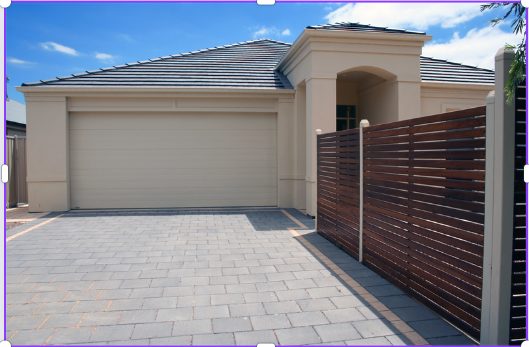
Let’s be honest, we don’t spend a lot of time thinking about our garage doors. They just… work. Until they don’t. And then, my friend, it becomes the center of your universe. That ominous grinding noise, the door that hesitates halfway, or the sheer panic when it won’t shut before you leave for vacation—we’ve seen it all. At Atlanta Garage Doors, we live in this world every day, and we’re here to have a real chat about what makes these big, moving parts of our homes tick, fail, and how to get them back to silent, smooth service.
Table of Contents
The Heart of the Home: More Than Just a Door
We like to call it the “workhorse entry.” Your garage door is the largest moving object in your house, and it operates under a crazy amount of tension. Think about it: it lifts hundreds of pounds multiple times a day, every day. It’s a marvel of engineering that we completely take for granted. So, when something goes wrong, it’s not just an inconvenience; it can be a safety issue or a major security risk. That’s why understanding the basics isn’t just for DIY enthusiasts—it’s for every homeowner who wants to avoid a headache (or a costly mistake).
When Things Go “Clunk”: Decoding Common Problems
You hear a new sound. Your stomach drops. What now? Let’s break down the usual suspects. Knowing the symptom often points to the cause, and that helps you talk to your garage door company like a pro.
The Symphony of Strange Noises:
- Grinding or Scraping: This often screams “operator issue” or worn gears. It’s the door’s way of crying for help.
- Loud Bang or Snap: Heart-stopping, right? This is frequently a garage door cable replacement situation. Those cables hold immense tension, and when one goes, you need to call a pro immediately. Seriously, do not touch this yourself.
- Squeaking and Squealing: The classic. Usually just worn rollers or hinges needing lubrication. An easy fix for a technician, but annoying as all get-out until it’s handled.
The Drama of Poor Performance:
- Door Won’t Open or Close All the Way: Sensors might be misaligned (a leaf or cobweb can be the villain), or the travel limits on your opener need adjusting.
- Door is Crooked or Uneven: Big red flag. This usually indicates a spring problem or a snapped cable. This is an emergency service call—don’t keep using it.
- Remote Doesn’t Work, But the Wall Button Does: Congrats, it’s probably not the opener! Often just dead remote batteries or a simple reprogramming issue. We’ve driven to homes for this more times than we can count, and we’re always happy to help, but try the batteries first 🙂
The Great Debate: Repair vs. Replace
This is the million-dollar question (or, more accurately, the few-hundred to few-thousand-dollar question). As a rule of thumb, we consider a few key factors:
- Age of the Door: If your door is pushing 20+ years and needs a major component, replacement starts to make more sense. Technology and efficiency have come a long way.
- Extent of Damage: One broken spring? Repair. Multiple panels damaged, a failing opener, and track issues? Replacement might be the more affordable long-term solution.
- Safety and Security: An old door with weak panels or an opener without modern safety reversal features is a liability. Upgrading brings peace of mind.
IMO, the best advice we can give is to get a professional opinion. A reputable company like ours will give you the honest pros and cons for your specific situation, not just push for the bigger sale.
Choosing Your Champion: Residential vs. Commercial Needs
Not all doors are created equal, and the needs of your home in Dunwoody are wildly different from a warehouse in Alpharetta.
- Residential Garage Doors: Here, we focus on curb appeal, insulation (R-value matters, folks!), noise reduction, and smart home integration. It’s about aesthetics and daily convenience.
- Commercial Garage Doors: This is all about durability, frequency of use, and security. We’re talking heavy-duty steel, high-cycle springs, and motors built for constant action. The installation specs are completely different.
Whether you need a sleek new modern door for your Marietta home or a robust rolling steel door for your business, the approach to garage door services is tailored from the ground up. At Atlanta Garage Doors, we handle both worlds, and the difference in our process is night and day.
Your Action Plan: Finding the Right Help in Atlanta
So, you’ve diagnosed a problem you can’t fix with a YouTube video and a prayer. Now what? Finding the right service provider is crucial. Here’s our insider checklist:
- Look for Specificity: Search for “automatic garage door repair” or “garage door company near me” plus your suburb. A company that knows Atlanta, Alpharetta, Marietta, and Dunwoody understands the local housing styles and common issues.
- Dig Into Reviews: Don’t just glance at the star rating. Read the reviews. Look for consistent comments about punctuality, clarity in pricing, and professionalism. What are people repeatedly saying?
- Ask About Emergency Services: Does the company offer after-hours emergency calls? If your door is wide open at 9 PM, you’ll want to know who can actually help.
- Get a Clear, Detailed Quote: A trustworthy technician will assess the entire system, not just the obvious symptom, and give you a written estimate before any work begins.
FYI, we designed our service model at Atlanta Garage Doors around this exact checklist because it’s what we’d want for our own homes. Transparency isn’t just a buzzword for us.
A Quick-Reference Guide: Garage Door Lifespan & Care
Check out this table to set some realistic expectations for your garage door system:
| Component | Average Lifespan | Key Maintenance Tip | Red Flag / Time to Call a Pro |
|---|---|---|---|
| Garage Door Opener | 10-15 years | Keep the area around sensors clean & clear. | Struggling to move the door, inconsistent operation. |
| Torsion Springs | 7-12 years (cycles) | Have a professional lubricate them annually. | Door is heavy to lift manually or springs look stretched/gapped. |
| Garage Door Panels | 15-30 years | Wash with mild detergent; inspect for cracks/dents. | Visible damage, warping, or severe fading. |
| Rollers & Hinges | 5-10 years | Listen for squeaking; nylon rollers are quieter. | Loud grinding, visible wear, or rollers jumping off track. |
| Cables | Varies with use | Never touch them yourself. Visual inspection only. | Fraying, snapping, or visible strands broken. |
Answers to the Questions We Hear Every Single Day
1. “Can I replace a garage door spring myself to save money?”
Short answer: We strongly, strongly advise against it. Those springs are under extreme tension—enough to cause serious injury or property damage if handled incorrectly. This is one area where professional training and the right tools are non-negotiable. The “savings” aren’t worth the risk.
2. “How long should a typical garage door repair or installation take?”
It depends heavily on the job. A spring or cable replacement might take 1-2 hours. A full door and opener installation for a standard residential door is usually a half-day to full-day project. A good company will give you a clear time window and respect your schedule.
3. “My door is making noise but still works. Should I wait to call?”
This is like hearing a weird noise in your car’s engine and deciding to drive across the country. Small issues (a squeak) can be minor, but grinding or scraping often indicates wear that will lead to a bigger, more expensive failure. Addressing problems early is almost always the most affordable path. Don’t wait for the catastrophic break!
At the end of the day, we just want your garage door to go back to being invisible—that quiet, reliable machine you never have to think about. That’s the goal of all this chatter. Whether you’re dealing with a sudden breakdown or planning a stylish upgrade, the right knowledge and the right team make all the difference. And if you’re in the Atlanta area and ever find yourself in a garage door standoff (we’ve all been there), remember that we’re just a call away. At Atlanta Garage Doors, we’re your nearest neighbors who genuinely love solving these puzzles. Let’s get that door working for you, not against you.
Related Articles
Why Your Garage Door Won’t Open in Atlanta, GA
Garage Door Spring Repair Cost in Atlanta, GA (2026 Guide)
What to Expect During Garage Door Opener Installation in Atlanta, GA
How Long Do Garage Door Opener Batteries Last
Garage Door Opener Repair in Atlanta, GA – Same Day Service (2026 Guide)
How To Reprogram Your Garage Door Opener
People Also Ask
A garage door’s lifespan typically ranges from 15 to 30 years, depending on material, maintenance, and climate. Steel doors often last longer than wood, which can warp or rot sooner in humid conditions. However, you should not wait for a total failure to consider replacement. If you notice frequent breakdowns, rising energy bills due to poor insulation, or visible rust and dents, it is often more cost-effective to install a new unit. Also, if your door uses outdated safety features, upgrading is strongly recommended for family protection. For a professional assessment of your door’s condition, our team at Atlanta Garage Doors can provide an honest evaluation. For more details, please see our guide Garage Door Repair in Atlanta, GA | Same-Day Garage Door Service. Regular maintenance can extend life, but eventual replacement is inevitable.
The average cost to install a new garage door typically ranges from $800 to $1,500 for a standard single-car unit, including labor and materials. For a double-car door, expect to pay between $1,200 and $2,500. This price varies based on door size, material, insulation, and whether you need a new opener or spring replacement. Steel doors are the most budget-friendly, while wood or aluminum options cost more. Labor fees usually account for $200 to $400, depending on the complexity of the removal and installation. To make an informed choice, review our detailed breakdown in Cost Of Insulated Garage Door Vs Uninsulated, which compares long-term energy savings against upfront costs. At Atlanta Garage Doors, we recommend getting multiple quotes to ensure competitive pricing and professional workmanship.
A LiftMaster garage door opener typically lasts between 10 and 15 years with regular use and proper maintenance. The exact lifespan depends on usage frequency, environmental conditions, and how well you care for the unit. For most homeowners, a daily cycle count of 4 to 6 opens and closes is standard, which falls well within the design limits of these units. To maximize longevity, lubricate the moving parts annually, check the safety sensors for alignment, and replace the backup battery every 2 to 3 years. If you notice excessive vibration, slow response, or unusual noises, it may be time for a professional inspection. At Atlanta Garage Doors, we recommend scheduling a tune-up after the 10-year mark to assess wear on the motor and gears.
The cost of a new garage door in the Atlanta metro area typically ranges from $800 to $4,500, including installation. This wide range depends on the door's material, insulation value, size, and window options. A basic single-layer steel door for a standard one-car opening starts around $800, while a premium two-car carriage-house style door with high R-value insulation and custom hardware can exceed $4,500. Labor costs are usually included in the quote, but you should always ask for a detailed breakdown. For a precise estimate tailored to your home, our team at Atlanta Garage Doors recommends scheduling a free on-site measurement. Before you buy, also consider checking our internal article titled Chamblee’s Cure For A Cranky Garage Door Opener for tips on diagnosing opener issues that might be mistaken for door problems.
Garage door opener batteries typically last between 1 and 2 years, though this can vary based on usage frequency, temperature extremes, and the specific battery type. Most modern openers use a 3-volt lithium coin cell battery, which powers the remote and the safety sensors. If you notice your remote working intermittently, or if the opener's keypad light is dim, it is a strong sign the battery is fading. For a more detailed breakdown of lifespan factors and maintenance tips, please see our internal article titled How Long Do Garage Door Opener Batteries Last. At Atlanta Garage Doors, we recommend testing your backup battery every six months to ensure your system remains reliable during power outages. Replacing the battery is a simple DIY task, but if you prefer professional assistance, our team is always ready to help.
Chamberlain garage door openers typically last between 10 and 15 years with regular use, though proper maintenance can extend their lifespan to 20 years. The most common failure points are the drive gear, capacitors, and safety sensors, which are often replaceable. Environmental factors like humidity and extreme heat in the Atlanta area can accelerate wear on plastic components. To maximize longevity, lubricate moving parts twice a year, check the spring balance monthly, and replace the backup battery every 2 to 3 years. For detailed guidance on battery care, refer to our internal article titled 'How Long Do Garage Door Opener Batteries Last' at How Long Do Garage Door Opener Batteries Last. If your unit exceeds 15 years or shows signs of excessive vibration, consider a professional inspection. Atlanta Garage Doors recommends scheduling a tune-up to ensure safe, efficient operation.

