
Let’s be honest, we don’t spend a lot of time thinking about our garage doors until something goes wrong. Then, it’s all we can think about. That grinding noise at 6 a.m.? The door that reverses for no reason? The spring that looks more like a modern art sculpture than a functional piece of hardware? Yeah, we’ve been there. As a garage door company right here in Atlanta, we’ve seen it all. So, pull up a chair, and let’s have a real talk about the unsung hero of your home: your garage door. We’ll cover what you need to know, when to panic (hint: rarely), and when to just pick up the phone and call a pro.
Table of Contents
Getting to Know Your Garage Door: It’s More Than Just a Big Panel
Think of your garage door system like a silent, heavy-lifting teammate. It’s a complex ensemble of parts working in harmony, and when one part quits, the whole show stops. Understanding the basics doesn’t mean you have to fix it yourself, but it helps you sound like a genius when you call for help.
The Major Players:
- Springs: These are the muscle. They counterbalance the immense weight of the door so your opener doesn’t have to lift it alone. There are two main types: torsion springs (mounted above the door) and extension springs (on the sides). Garage door cable replacement often goes hand-in-hand with spring work, as the cables work directly with the springs.
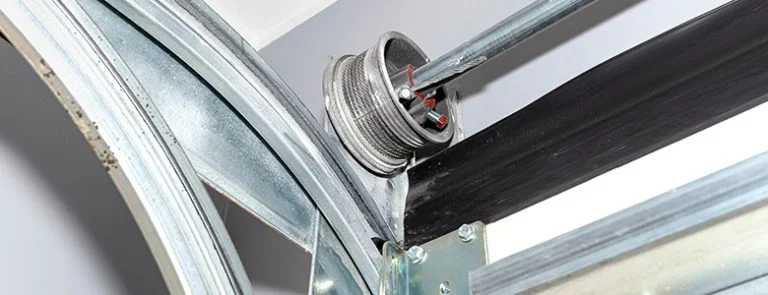
- Cables & Drums: These are the tendons and pulleys. The cables wind around the drums, connected to the springs and the bottom brackets of the door. If a cable snaps, the door becomes unbalanced and dangerous—a definite job for professionals.
- Rollers & Tracks: This is the guidance system. The rollers (nylon or steel) travel inside the vertical and horizontal tracks, keeping everything moving smoothly. A bent track is like a derailed train; it’s not going anywhere smoothly.
- The Opener: The brain and (remaining) brawn. It’s the motor, the gear, and the logic board that responds to your clicker or smartphone. Automatic garage door repair usually focuses here, dealing with everything from faulty sensors to worn-out gears.
Ever wondered why a broken spring sounds like a gunshot? That’s all that stored kinetic energy letting loose. It’s also why spring repair is the one thing we never recommend as a DIY project. Safety first, always.
Residential vs. Commercial: Different Beasts, Same Heartbeat
Whether it’s protecting your family car or a fleet of delivery trucks, the core principles are similar, but the scale and demands are worlds apart.
For Our Homes (Residential Garage Doors):
This is all about curb appeal, security, and daily convenience. We’re talking sectional doors, carriage-house styles, modern aluminum glass doors—the ones that make your neighbors peek over the fence. Residential garage doors need to be reliable, insulated (hello, Georgia summers and the occasional chilly night), and, let’s face it, good-looking. Their installation is about precision and integrating seamlessly with your home’s aesthetic and security systems.
For Businesses (Commercial Garage Doors):
These are the heavy-duty workhorses. Think rolling steel doors, large sectional doors for truck bays, or high-speed doors for warehouses. Commercial garage doors prioritize durability, security, and frequency of use. A retail store in Dunwoody needs reliable access for inventory. A warehouse near Alpharetta needs a door that can cycle hundreds of times a day without complaint. The installation and maintenance here are about minimizing downtime, because time literally is money.
The common thread? Both types deserve professional care. A botched installation on either can lead to a lifetime of headaches and costly repair bills.
When to DIY, When to Call Atlanta Garage Doors (Seriously, Call Us)
We love a good DIY project. Painting a room? Go for it. Building a bookshelf? More power to you. But garage doors are under extreme tension and weigh hundreds of pounds. Let’s break down the safety zones.
Probably Safe for You (The DIY Zone):
- Basic Cleaning & Lubrication: Wipe down tracks, clean photo-eye sensors, and lubricate moving parts (not the rollers in nylon tracks!) with a silicone-based spray. This is great preventative medicine.
- Weatherstripping Replacement: That rubber seal at the bottom looking sad? Swapping it out is straightforward and boosts energy efficiency.
- Re-Programming Remotes or Keypads: Consult your opener’s manual. It’s usually just a sequence of button presses.
The “Absolutely Not” Zone (The Professional-Only Zone):
- Any Spring Work: We cannot stress this enough. The danger of severe injury is extremely high. This is our bread and butter for a reason.
- Cable Repairs or Replacement: Like springs, these are under high tension. A snapping cable is a whip with massive force.
- Track Realignment: Striking the track with a hammer usually makes it worse. Proper realignment requires specific tools and know-how.
- Major Opener Repair: Beyond maybe replacing light bulbs, internal gear and sprocket replacement or electrical work needs a trained eye.
- Anything After an Impact: Did a car kiss the door? Even if it seems minor, the alignment could be off, leading to bigger failures.
Here’s our personal, business-standpoint anecdote: We get at least one call a month from someone in Marietta or near Dunwoody who attempted a spring repair after watching a YouTube video. They always start with, “So, I thought I could handle it, but now…” Let us save you the adrenaline rush and potential ER visit. For these issues, contacting a professional like us at Atlanta Garage Doors isn’t just a suggestion; it’s the smart, safe move. We handle these dangerous jobs every day so you don’t have to.
The “Oh Crap” Moment: Handling Garage Door Emergencies
So, your door is stuck shut with your car inside, or worse, stuck open, leaving your home vulnerable. First, don’t panic. Your opener has a manual release—usually a red cord with a handle. Pulling this disengages the motor, allowing you to lift the door manually. But a word of caution: if a spring is broken, the door will be extremely heavy. Lift a few inches and feel the weight. If it feels like you’re trying to deadlift a car, stop. That’s your sign.
This is what we classify as an emergency situation. A door stuck open is a major security risk. A door stuck shut can disrupt your entire life. We offer emergency garage door services for exactly these heart-dropping moments. We know you need help fast, and we structure our team to respond to these urgent calls, especially for our neighbors right here in Atlanta.
Choosing the Right Partner for Installation & Repair
Not all garage door services are created equal. Here’s our IMO on what to look for, beyond just a Google search for the “nearest” or “affordable” company (though we’re proud to be both for so many in the metro area).
- Transparent Pricing: You should get a clear, upfront quote before any work begins. No mystery fees later.
- Experience & Specifics: Ask if they regularly work on your type of door or opener brand. Specialization matters.
- Insurance & Licensing: This is non-negotiable. It protects their workers and your property.
- Warranties: What do they guarantee on both parts and labor? A strong warranty shows confidence in their work.
- Reviews: Read the reviews! But read them critically. Look for patterns in feedback about punctuality, cleanliness, and professionalism.
We built Atlanta Garage Doors on these very principles. We’re local, we’re passionate about this oddly specific trade, and we believe in doing a job right the first time. Whether it’s a new installation or a tricky repair, our goal is to be the last garage door company you’ll ever need to call.
Garage Door Lifespan & Maintenance: A Handy Guide
How long should your door last? With proper care, a long time! Here’s a quick-reference table we put together based on our experience:
| Component | Typical Lifespan | Maintenance Tip | “It’s Time” Warning Sign |
|---|---|---|---|
| Garage Door Springs | 7-15 years (cycles) | Leave to pros! | Visible gap in torsion spring, door is heavy to lift manually. |
| Garage Door Opener | 10-15 years | Lubricate chain/screw drive annually. | Loud grinding, erratic operation, frequent reversal. |
| Garage Door Cables | Varies with spring life | Visual inspection for fraying. | Any fraying means call immediately. Do not touch. |
| Rollers (Steel) | 15-20 years | Lubricate with garage door spray. | Squeaking, grinding noise during operation. |
| Rollers (Nylon) | 10-15 years | Do not lubricate. Clean tracks. | Chipped, cracked, or worn-down wheels. |
| Weatherstripping | 5-10 years | Clean and inspect for cracks. | Visible cracks, daylight under the door, drafts. |
Your Top Garage Door Questions, Answered
1. My garage door is making a loud grinding/screeching noise. What’s wrong?
This is the most common call we get. Usually, it points to a lack of lubrication on the metal moving parts (hinges, springs, track where the rollers move) or worn-out rollers. If the noise comes specifically from the opener motor unit, it could indicate worn gears. A quick lubrication session might solve it, but persistent grinding from the opener itself often means it’s time for a professional tune-up or gear replacement.
2. How often should I schedule professional maintenance?
We recommend a professional tune-up once a year. Think of it like an annual physical for your door. A tech will check spring tension, inspect cables, test safety sensors, lubricate appropriate parts, and ensure everything is aligned and balanced. This preventative step can catch small issues before they become big, costly repairs or emergency situations.
3. I’m buying a new door. What should I consider beyond looks?
Great question! Insulation is a huge one for our Georgia climate—it keeps your garage cooler and can reduce energy costs if your garage is attached. Material matters: steel is durable and affordable, wood is beautiful but requires upkeep, and aluminum/glass is modern but often pricier. Finally, consider the installation as part of the purchase. A perfect door on a poorly installed frame is a problem. Always ensure your garage door company handles the full process from selection to final adjustment.
At the end of the day, your garage door is a major mechanical access point to your home or business. It deserves respect and proper care. Whether you’re in Marietta, Alpharetta, Dunwoody, or anywhere else in the ATL metro, having a trusted professional on speed dial just makes life easier. We hope this chat has been helpful and maybe even a little entertaining. Remember, for everything from routine maintenance to those “oh crap” moments, our team at Atlanta Garage Doors is here to help. Keep it smooth, keep it safe, and don’t be a stranger

