
Let’s be honest, we don’t think about our garage doors until they start thinking for themselves—and by that, we mean making noises that belong in a haunted house or simply refusing to budge. We’ve all been there, standing in the driveway, clicking the remote like we’re trying to win a carnival game, while the door just stares back, utterly unimpressed. It’s in these moments we realize this giant moving part of our house is a lot more important than we give it credit for.
As a local garage door company right here in Atlanta, we’ve seen it all. From the classic spring snap in Alpharetta to the off-track roller disaster in Marietta, we get that your garage door needs to work, and work reliably. That’s why we’re pulling back the curtain today. Think of this as a friendly chat between enthusiasts about how these systems work, when to call for help, and how to keep everything running smoothly without any unexpected drama.
Getting to Know the Beast: What’s Actually in Your Garage Door System?
It’s not just a big slab of wood or metal, right? It’s a precision system of parts working in harmony. When one part decides to take a vacation, the whole operation grinds to a halt. Understanding the main players helps us diagnose those weird sounds and behaviors.
The Heavy Hitters: Springs, Cables, and Opener
- Torsion Springs: These are the tightly wound coils above your closed door. They hold an immense amount of tension to counterbalance the door’s weight. IMO, they’re the MVP and the most dangerous part of the system. Never, and we mean never, mess with these yourself.
- Extension Springs: Often found on older doors, they run along the horizontal tracks. They stretch and contract to help with the lifting.
- Cables and Drums: The cables lift the door by winding around drums at the ends of the spring shaft. A frayed or snapped garage door cable replacement is a job for pros—it’s under serious spring tension.
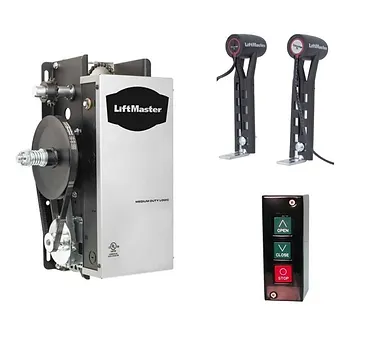
- The Opener: The brain and brawn. It’s the motor that drives the whole show via a chain, belt, or screw drive.
The Supporting Cast: Tracks, Rollers, and Sensors
The vertical and horizontal tracks guide the door, and the rollers (ideally nylon for quiet operation) move along them. The safety sensors near the floor are non-negotiable—they prevent the door from closing if something (or someone) is in the way.
The “Uh-Oh” Moments: When to Call for Professional Garage Door Repair
So, how do we know when our DIY spirit needs to take a backseat to professional garage door services? Here’s a quick, no-nonsense guide.
Stop Everything and Call Now (The Real Emergencies):
- A snapped spring. The door will feel incredibly heavy, and the opener will struggle or fail. This is a classic emergency garage door service call.
- A cable off the drum or snapped. It often looks scary and can cause the door to sit crooked. Again, spring tension is involved. Don’t risk it.
- The door is derailed. If the rollers have come out of the track, the door is stuck and unstable. This isn’t a fix-it-later scenario.
Schedule a Repair Soon (The “This is Going to Get Worse” Signs):
- Loud grinding, screeching, or banging. Your rollers might be dry or worn, or your opener gears could be stripping.
- The door opens or closes unevenly. This usually points to a spring balance issue or track misalignment.
- Your opener motor runs, but nothing moves. This could be a broken drive gear inside the opener unit—a common automatic garage door repair we handle daily.
- The door reverses before hitting the floor. Likely a limit switch needs adjustment, but it could also be a sign of failing springs.
FYI, trying to fix spring or cable issues yourself is like trying to perform your own dentistry. It’s possible, but the outcome is usually… painful. We’ve built our reviews here at Atlanta Garage Doors by being the guys you call to handle these precise, high-tension jobs safely and correctly.
Choosing Your Champion: Residential Garage Doors vs. Commercial Garage Doors
Whether you’re building new or replacing an old eyesore, picking the right door matters. It’s not just about looks; it’s about function, insulation, and security.
For our homes (residential garage doors), we’re often balancing curb appeal with practicality. Steel doors are durable and low-maintenance, wood offers classic beauty (but needs more TLC), and aluminum/glass is sleek and modern. Insulation is a big deal here in Georgia—it keeps your garage cooler in summer and can help with energy bills if your garage is attached.
On the other hand, commercial garage doors are all about durability, frequency of use, and security. Think sectioned steel doors that can take a bump from a forklift, high-speed doors for warehouses, or rolling steel shutters for retail spaces. The needs are completely different, and the installation requires commercial-grade hardware and openers. At Atlanta Garage Doors, we specialize in both worlds, because the needs of a homeowner in Dunwoody and a business owner in the city are vastly different, but the requirement for quality is the same.
The Installation Lowdown: Why Professional Garage Door Installation Isn’t a Luxury
We get the temptation. Big box store sells a door-in-a-box, how hard can it be? Let’s just say we’ve made a good business out of fixing “DIY” garage door installation projects. Here’s the thing:
A professional installation ensures:
- Perfect Balance: The springs are calibrated exactly to your door’s weight. An unbalanced door destroys openers and wears out parts prematurely.
- Safety First: Those springs are set safely. The sensors are aligned. The auto-reverse mechanism is tested.
- Longevity: Properly aligned tracks and securely mounted hardware mean everything works smoothly for years, not months.
- Warranty Protection: Most manufacturer warranties require professional installation to be valid.
When you search “garage door installation near me,” you’re looking for local expertise that understands our specific climate and common issues. That’s what we provide across Atlanta, Alpharetta, Marietta, and Dunwoody. We’re not just installing a door; we’re setting up a system for a decade of reliable service.
Your Quick-Reference Troubleshooting Table
| Symptom | Likely Culprit | Can I Try a DIY Fix? | When to Call Atlanta Garage Doors |
|---|---|---|---|
| Door won’t open/close with remote | Opener not getting power, dead remote batteries, locked wall console. | Yes. Check outlet, replace batteries, check for lock button. | If power is fine and simple fixes don’t work. The issue could be in the opener’s logic board or motor. |
| Opener motor hums but door doesn’t move | Broken drive gear (plastic) inside opener, or door is manually locked. | Maybe. If you’re handy, opener gear kits are available. But it’s intricate work. | This is a very common repair. We can often replace the gears or assess if a new opener is more cost-effective. |
| Door is crooked or stuck partway | Derailed rollers, broken cable, or snapped spring. | No. This involves dangerous components under tension. | Immediately. This is a safety hazard. We’ll get it secured and repaired properly. |
| Extremely loud operation | Dry/worn rollers, lack of lubrication on springs/tracks, loose hardware. | Yes. Try lubricating with a silicone or lithium-based spray (not WD-40). Tighten any visible bolts on brackets. | If lubrication doesn’t quiet it down, the rollers or springs may need replacement. We can diagnose the noise source quickly. |
| Door reverses immediately when closing | Misaligned safety sensors, dirty sensor lenses, or force limit set too low. | Yes. Wipe sensor lenses, check for alignment (the little lights should be solid, not blinking). Adjust force knob slightly. | If sensors are aligned and clean and it still reverses, the spring balance may be off, or a sensor may be faulty. |
Your Top Questions, Answered
1. How often should I actually maintain my garage door?
We recommend a basic check twice a year—maybe when you change your clocks. Just listen for unusual noises, visually inspect the springs for gaps (a sign they’re wearing out), and test the auto-reverse safety feature by placing a 2×4 on the floor under the door. If it doesn’t reverse immediately on contact, you need service. A professional tune-up every 2-3 years can catch small issues before they become big, expensive ones.
2. What’s the real cost difference between repair and replacement?
It’s a math and logic problem. If your door is over 20 years old, has significant damage, or needs multiple major repairs (springs + cables + opener), a full garage door installation often makes more financial sense. You get a new, efficient, warranty-covered system. For newer doors or single-component failures like one spring or a sensor, garage door repair is the clear, cost-effective winner. We’ll always give you an honest assessment of both options.
3. How long does a typical garage door last?
With proper maintenance and occasional professional service, a good quality door itself can last 30+ years. The opener averages 10-15 years. The parts that take the most punishment—the springs—typically last 7-10 years, depending on cycle count. It’s a system of parts with different lifespans 🙂
So, there you have it. Treat your garage door system with a little respect, know its warning signs, and don’t be a hero when it comes to the high-tension components. It’s the silent workhorse of your home, and keeping it running smoothly protects your cars, your stuff, and your peace of mind. And when that “uh-oh” moment happens—whether it’s a sudden snap or a slow decline into noisy oblivion—you know who to call. We’re Atlanta Garage Doors, right here in your community, ready to get you back on track with a smile and zero drama. Give us a shout next time your door decides to get creative.
People Also Ask
The cost to repair a garage door in Atlanta typically ranges from $150 to $500, with more complex jobs potentially exceeding $1,000. The final price depends heavily on the specific issue, the parts required, and the door's model. Common repairs like replacing broken springs or cables are on the higher end due to the specialized labor and safety risks involved, while simpler fixes like adjusting sensors or lubricating tracks are more affordable. For a precise estimate, a professional on-site inspection is essential. For detailed service information and local pricing, you can refer to our internal article Sandy Springs, GA Garage Door Repair & Installation | Atlanta Garage Doors. Always choose a licensed and insured technician to ensure the repair is done safely and correctly.
For optimal safety and performance, it is recommended to have your garage door professionally serviced at least once a year. This annual inspection allows a technician to check and adjust springs, cables, rollers, and tracks, lubricate moving parts, and test the auto-reverse safety features. Regular maintenance prevents unexpected breakdowns, extends the lifespan of your system, and ensures safe operation for your family. For a more detailed breakdown of maintenance schedules and what a professional service entails, we encourage you to read our internal article How Often Should You Service Your Garage Door?.
Costco partners with a national garage door installation service provider to offer members a convenient purchasing and installation program. This program typically includes a selection of quality doors from reputable manufacturers, professional installation, and the backing of Costco's customer service. For members, the key benefits often include competitive pricing, the assurance of vetted contractors, and the potential for Costco-specific promotions or rebates. It's important to get a direct quote for your specific project, as offerings can vary by region. For a detailed breakdown of the partnership, services offered, and important considerations, you can refer to our internal article What Company Does Costco Use For Garage Doors?.
When evaluating who makes the highest quality garage doors, it's essential to consider industry leaders known for superior materials, engineering, and durability. Brands like Clopay, Amarr, and Wayne Dalton are consistently recognized for their robust construction, advanced insulation, and comprehensive warranties. The highest quality doors often feature heavy-gauge steel, reinforced hardware, and premium finishes that withstand daily use and harsh weather. For a detailed analysis of top manufacturers and what sets them apart, we recommend reading our internal article, Who Makes The Highest Quality Garage Doors?. Ultimately, the "best" door depends on your specific needs, local climate, and budget, but investing in a reputable brand ensures long-term performance and security for your home.
For discerning homeowners in Buckhead seeking luxury garage door service, the standard is defined by meticulous craftsmanship, premium materials, and seamless integration with high-end architectural aesthetics. This involves custom-designed doors using materials like solid wood, aluminum, or high-grade composite panels, paired with ultra-quiet belt-drive openers and smart home integration for ultimate convenience and security. Professional service in this category prioritizes white-glove installation, precise calibration, and ongoing maintenance to ensure flawless operation and longevity. For a detailed look at the requirements for high-end installations in this area, we recommend our internal article on Industrial Garage Door Installation in Buckhead,GA. It outlines the specific considerations for luxury properties, from structural assessments to final programming of advanced operating systems.


