

Great service- fast and efficient. Purchased new opener and was up in no time

Great service from Simon and Atlanta Garage Doors! I called on a Sunday evening about broken springs and was pleasantly surprised to speak with a real person, not a virtual assistant. They came out the very next day, provided excellent and timely service, and the price was very affordable. Highly recommend!

Simon came the same day and fixed my Garage door also the same day I’m happy about the faster service.

Professional and prompt service, highly recommend. Also by far the best price.

Simon came in the same day and fixed our springs and cables. He was very knowledgeable and professional
Thanks a lot!

Simon was super quick and repaired my garage within half an hour!! So kind and well priced. 10/10.

Simon was awesome! Same day service and completed the job professionally and promptly. Highly recommend!


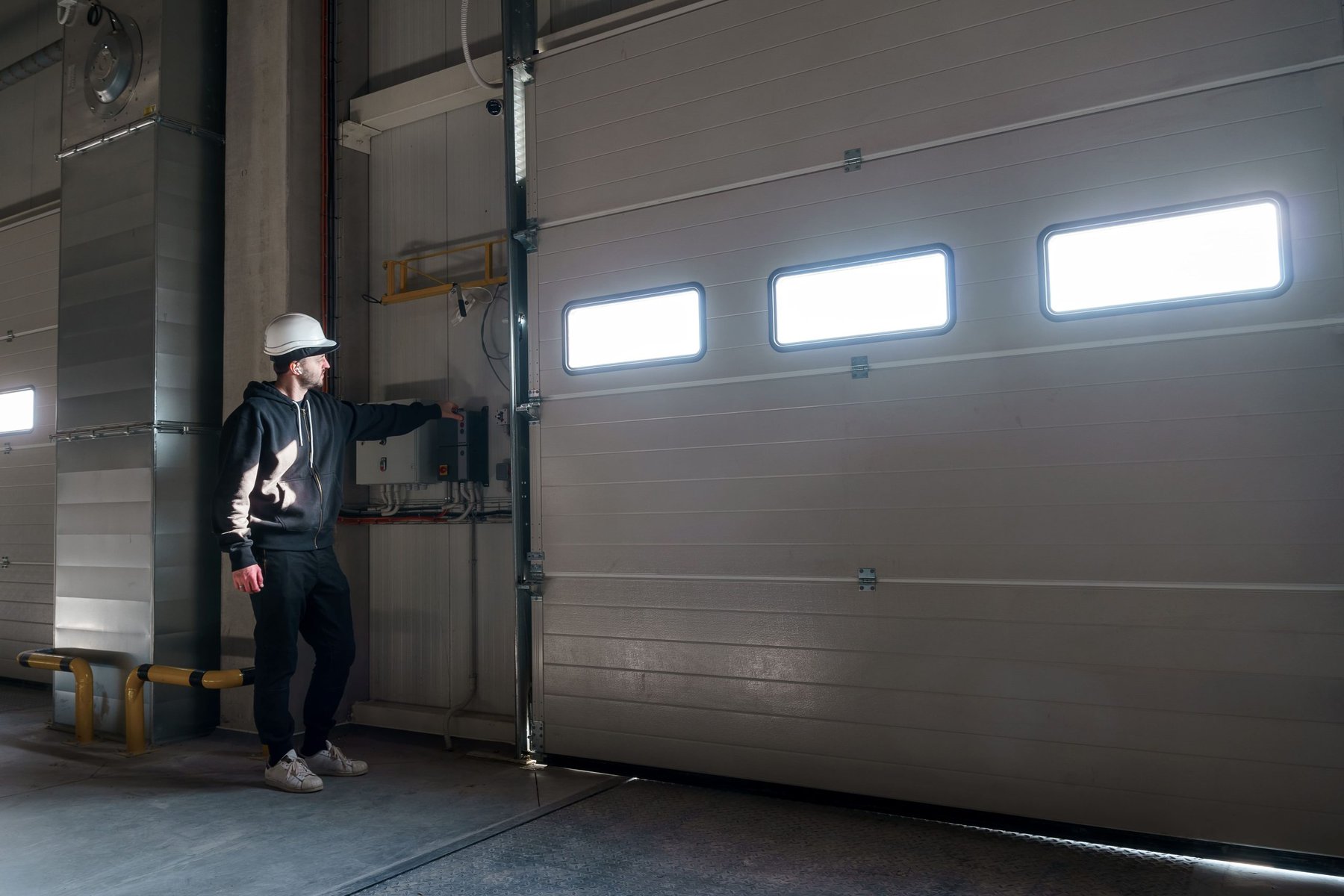
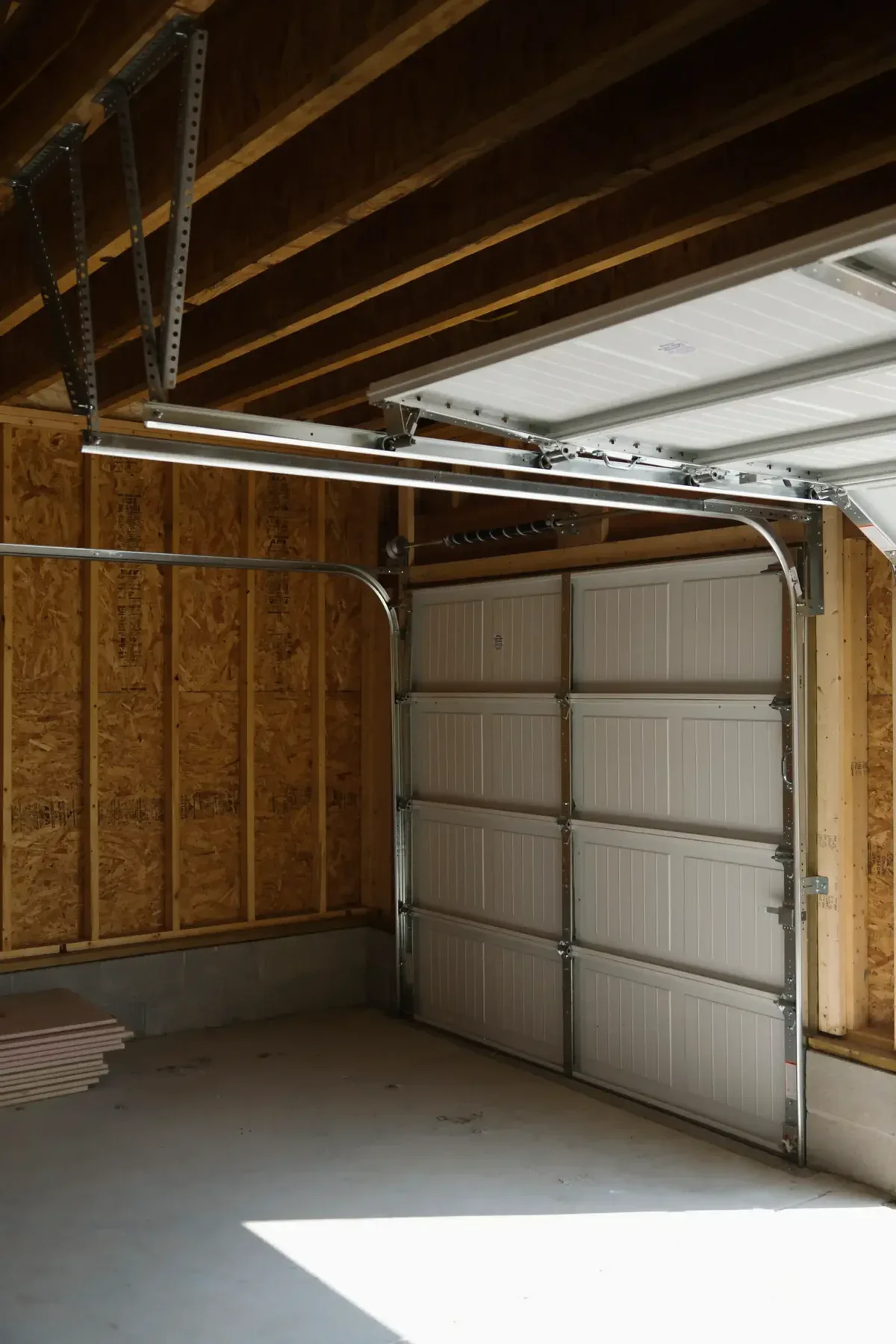
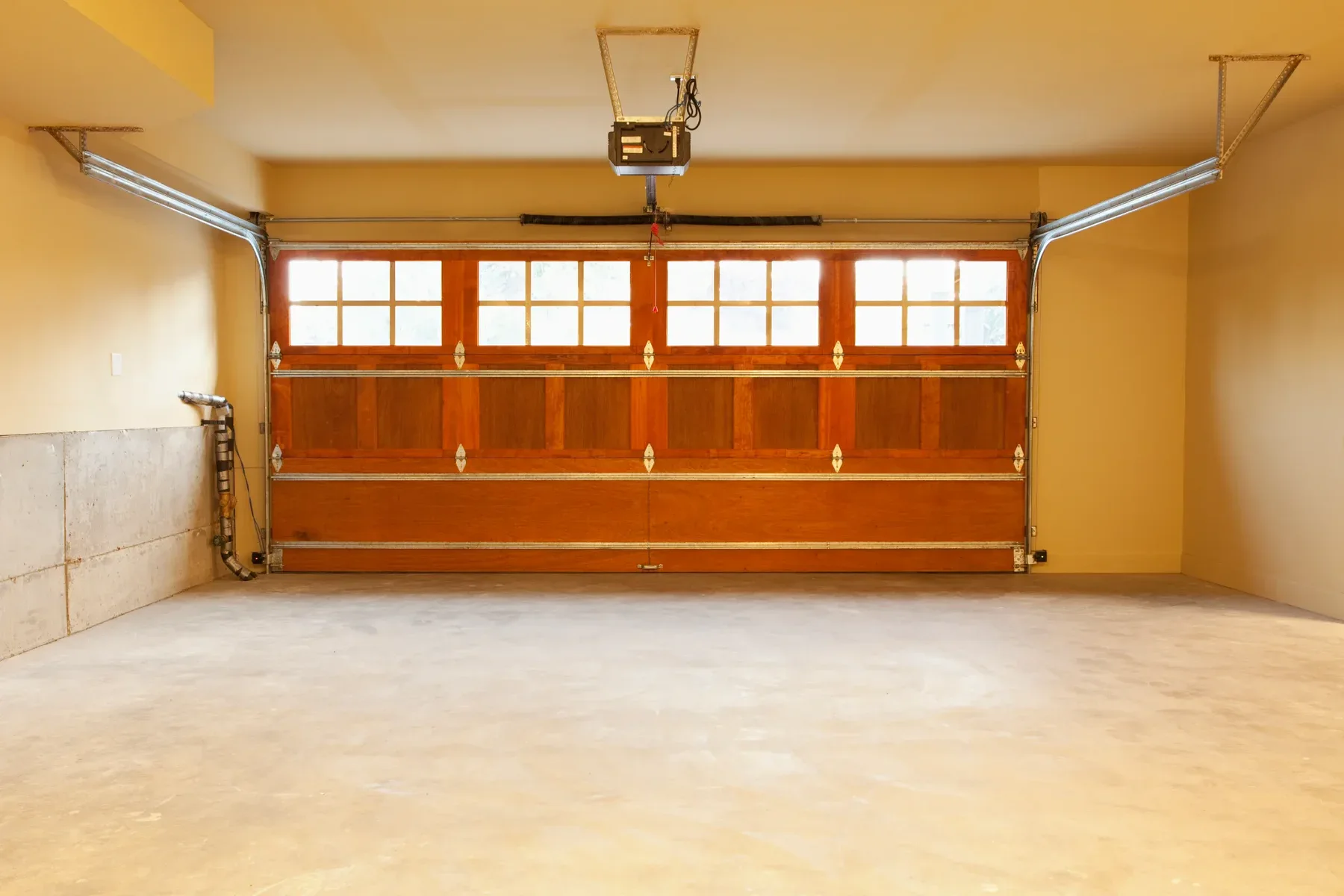
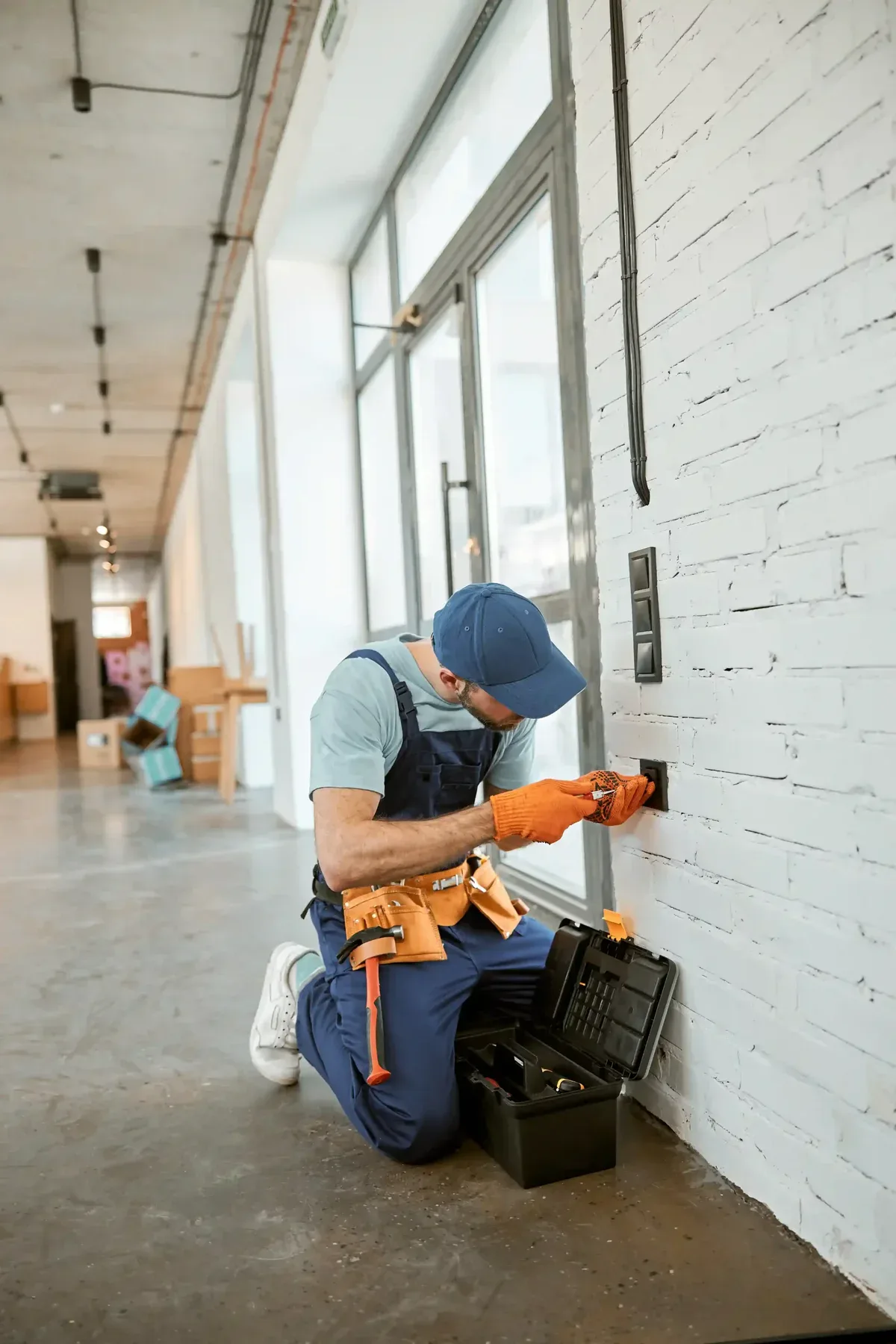

Regular maintenance is essential to keep your garage door operating safely and efficiently. You should start by visually inspecting the springs, cables, rollers, and tracks for any signs of wear, rust, or damage. Lubricating the moving parts, such as hinges, rollers, and springs, with a silicone-based lubricant every six months reduces friction and extends their lifespan. It is also important to test the auto-reverse safety feature by placing a small object in the door's path; if it does not reverse, the sensors may need adjustment. Tightening loose hardware, cleaning the tracks, and checking the weather seal for gaps are also key steps. For a deeper understanding of how insulation impacts performance, our internal article titled Do Garage Door Insulation Kits Actually Work? offers valuable insights. For complex issues, Atlanta Garage Doors recommends professional inspection annually.
For optimal performance, you should lubricate your garage door at least twice a year, typically in the spring and fall. However, if you use your door daily or live in a dusty or humid climate like Atlanta, a quarterly schedule is better. Focus on the moving parts: the rollers, hinges, springs, and the overhead track. Use a silicone-based or lithium-based spray lubricant, not WD-40, as it evaporates too quickly. Avoid over-lubricating the tracks, as excess grease can attract dirt and cause binding. If your door becomes noisy or stiff between scheduled maintenance, it is a sign to lubricate sooner. For a related safety procedure, refer to our article How To Reengage A Garage Door After Pulling A Red Cord? to ensure you can safely reengage the door after a manual release. Atlanta Garage Doors recommends this routine to extend your system's lifespan.
For optimal performance, the best lubricant for a garage door is a lithium-based grease for the rollers and a silicone-based spray for the hinges, springs, and tracks. Avoid using WD-40 as a lubricant; it is a solvent and cleaner, not a long-term lubricant. Apply the silicone spray sparingly to the moving parts, ensuring you do not oversaturate the components. For heavy-duty applications, such as industrial settings, the advice in our internal article Industrial garage door repair provides specific guidance. Atlanta Garage Doors recommends a regular maintenance schedule to keep your system running quietly and smoothly.
WD-40 is not recommended for garage door parts because it is a solvent-based lubricant that evaporates quickly, leaving behind a sticky residue. This residue attracts dust, dirt, and grime, which can actually increase friction on rollers, hinges, and tracks over time. For a garage door, you need a heavy-duty silicone or lithium-based lubricant that provides lasting protection and reduces wear on moving components. Using WD-40 may lead to noisier operation and premature part failure. For more details on proper lubrication, you can read our internal article titled Can I Spray WD-40 On My Garage Door Rollers?. Atlanta Garage Doors always advises using the correct products to keep your system running smoothly.
Yes, regular do-it-yourself maintenance can extend the life of your garage door. Start by visually inspecting the springs, cables, rollers, and tracks for signs of wear or damage. Lubricate all moving parts, including hinges and rollers, with a silicone-based spray; avoid using grease as it attracts dirt. Test the auto-reverse safety feature by placing a block in the door's path; it should reverse upon contact. For homeowners in our service area, a critical step is checking the door's balance. To do this correctly, we recommend reading our internal article titled How To Check Garage Door Balance & Alignment For Sandy Springs Homeowners. If you notice any frayed cables or broken springs, stop immediately and contact Atlanta Garage Doors for professional service, as these repairs are dangerous for untrained individuals.
For effective garage door maintenance lubrication, it is important to use a lubricant specifically designed for garage door components, such as a silicone-based or lithium-based spray. Avoid using heavy oils or grease, as these can attract dirt and cause buildup. Focus on lubricating the rollers, hinges, and springs, but be careful not to overspray. For detailed guidance on what not to use, you should read our article Can I Spray WD-40 On My Garage Door Rollers?. Atlanta Garage Doors recommends performing this maintenance every six months to keep your system operating smoothly and quietly. Proper lubrication reduces friction, extends the life of your door parts, and prevents unnecessary wear.


584 reviews


