
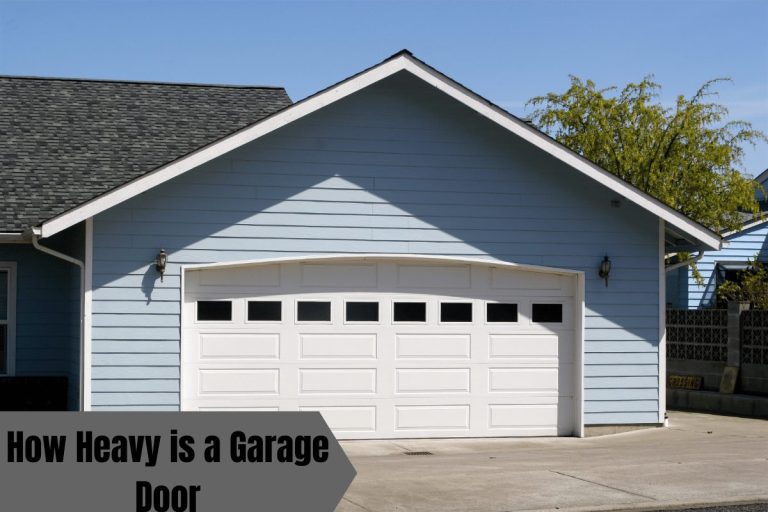
How Heavy Is a Garage Door? (And Why You Should Care)
Hey there, fellow DIYers and curious homeowners! Let’s talk about something we’ve all probably underestimated at least once: the weight of a garage door. You know, that massive slab of metal, wood, or fiberglass that looks light enough to lift manually… until you try. Spoiler: It’s heavier than your last Amazon Prime delivery. But why does it matter? Well, whether you’re Googling “garage door repair near me” after a DIY disaster or planning a new installation, understanding weight is key. And hey, since we’re Atlanta Garage Doors (your friendly neighborhood experts in Alpharetta, Dunwoody, Marietta, and beyond), we’ve got stories to share. Buckle up!
Why Garage Door Weight Isn’t Just a Trivia Question
Ever tried manually lifting a broken garage door? If you’re still reading this, congrats—you survived. Most modern automatic garage doors rely on springs and openers to do the heavy lifting (literally). But if those components fail, you’re suddenly face-to-face with a 100–400-pound problem. Yikes.
Here’s the deal:
- Safety first: A heavy door can cause serious injury if it falls.
- Opener compatibility: Not all garage door openers can handle heavier materials.
- Longevity: Heavier doors wear out springs and rollers faster if not balanced properly.
We’ve seen it all—from DIYers in Sandy Springs attempting garage door opener repairs with a YouTube tutorial (bad idea) to folks in Marietta ignoring maintenance until their door literally crashes down. Trust us: Weight matters.
Breaking Down the Numbers: What’s Your Door Made Of?
Garage doors aren’t one-size-fits-all. Material, size, and insulation all play a role. Let’s geek out on specifics:
Average Weights by Material
| Material | Single-Car Door | Double-Car Door | Best For |
|---|---|---|---|
| Steel | 75–150 lbs | 130–350 lbs | Durability, security |
| Aluminum | 60–100 lbs | 100–200 lbs | Coastal areas (resists rust) |
| Wood | 100–250 lbs | 200–500 lbs | Aesthetic appeal (high maintenance) |
| Fiberglass | 50–120 lbs | 90–220 lbs | Lightweight, moderate insulation |
FYI: Insulation adds 10–30% more weight. So if you’ve got a double-car wooden door with foam core insulation, you’re basically living with a baby grand piano above your SUV.
“But Why Is My Garage Door So Heavy?” Let’s Solve the Mystery
We’ve fielded this question from folks in Dunwoody to Alpharetta. Here’s the shortlist of culprits:
- Springs Gone Rogue: Torsion springs counterbalance 90% of the door’s weight. If they snap (which they do every 7–10 years), suddenly you’re lifting 300 lbs. Pro tip: Don’t. Call a garage door technician instead.
- Moisture Damage: Wood doors absorb humidity like a sponge, adding weight and warping.
- Poor Installation: Misaligned tracks force the opener to work harder. Think of it as dragging a suitcase with a broken wheel.
Fun story: Last summer, a customer in Sandy Springs tried replacing their own springs. Let’s just say… we ended up installing a whole new door. Moral? Some jobs need a garage door specialist.
When to Call Atlanta Garage Doors (And Why We’re Your Best Bet)
Look, we get it—nobody wants to Google “local garage door repairman” at 9 PM on a Friday. But here’s when to put down the toolbox and pick up the phone:
- Broken garage door springs: These are under insane tension. One wrong move, and you’ll regret it.
- Opener issues: Garage door opener repair isn’t just about swapping parts; it’s about balancing the system.
- Installations: Choosing between steel or wood? Single vs. double? We’ll help you avoid buyer’s remorse.
We’re not just the “best garage door company” in Atlanta because we say so. Our team lives here—in Marietta, Alpharetta, Dunwoody—and we’ve seen every quirk Georgia weather throws at doors. Plus, our garage door servicing plans keep things running smoothly.
Garage Door Maintenance: Because Prevention > Panic
Want to avoid a broken garage door saga? Do these three things:
- Lube the Moving Parts: Rollers, hinges, and springs love a good silicone spray. Do this every 6 months.
- Test the Balance: Disconnect the opener and lift the door manually. If it doesn’t stay put halfway, your springs are tired.
- Inspect the Cables: Frayed cables = ticking time bomb.
BTW, if you’re in Sandy Springs or Dunwoody and haven’t had a tune-up in years, hit us up. We’ll make sure your door doesn’t pull a “surprise attack.”
FAQs: Your Burning Questions, Answered
1. Can I install a garage door myself?
Technically? Sure. Should you? Unless you’re a garage door opener installer with professional tools, nope. Misaligned tracks and improper spring tension lead to early breakdowns (or worse).
2. How often should I replace my garage door springs?
Every 7–10 years. If you hear a loud bang, congrats—you’re overdue.
3. Why does my automatic garage door keep reversing?
It’s probably too heavy for the opener. Check the force settings or call us for garage door service.
4. Are steel doors better than wood?
IMO, steel wins for durability and low maintenance. But if you’re going for curb appeal, wood’s gorgeous—just budget for upkeep.
Final Thoughts: Keep It Light (Pun Intended)
So, how heavy is a garage door? Heavy enough to humble even the most confident DIYer. Whether you’re in Alpharetta stressing over a stuck door or in Marietta eyeing a new installation, remember: Atlanta Garage Doors has your back. We’re local, experienced, and really good at lifting heavy things.
Need help? Don’t play hero—give us a shout. Because nobody wants to explain to their buddies how they got outsmarted by a garage door. 😉
People Also Ask
A typical two-car garage door weighs between 130 and 350 pounds. The exact weight depends heavily on the material and construction. A standard steel sectional door, the most common type, usually falls in the 150 to 250-pound range. Insulated steel doors are heavier, often 200 pounds or more, due to their layered construction. Wood doors can be the heaviest, sometimes exceeding 300 pounds. This significant weight is why proper installation and maintenance of springs, cables, and the opener are critical for safety and function. Always rely on a professional to handle, repair, or replace a garage door due to the high-tension components involved.
A garage door should not be excessively heavy to lift manually, but it must have substantial weight to function correctly and safely. Modern residential garage doors, typically made of steel, aluminum, wood, or composite materials, are balanced by a counterweight spring system. This system bears most of the door's weight, making it feel relatively light for manual operation. If a door feels unusually heavy or difficult to lift, it is a strong indicator that the torsion or extension springs are damaged, improperly adjusted, or have failed. A properly balanced door should lift smoothly with moderate effort and stay in place when opened halfway. Excessive weight can strain the opener and components, leading to premature wear and safety hazards, necessitating professional adjustment or repair.
The weight of a 7-foot garage door varies significantly based on its material and construction. A standard single-layer steel door typically weighs between 50 and 80 pounds. An insulated steel door, which has a polyurethane or polystyrene core for better energy efficiency, can weigh between 90 and 130 pounds. Wood doors are generally the heaviest, potentially weighing 150 pounds or more for a solid 7-foot model. The specific weight is crucial for ensuring your garage door opener has adequate lifting capacity and for safe installation. Always consult the manufacturer's specifications for the exact weight of your chosen model, as this impacts the required spring system and overall hardware.
Yes, you can lift most garage doors manually, but it is crucial to do so safely and correctly. Modern sectional garage doors are counterbalanced by a powerful torsion or extension spring system. Before attempting to lift the door, you must first disengage the automatic opener by pulling the emergency release cord, which is typically a red handle hanging from the trolley carriage. This disconnects the door from the motor. Be aware that the door is now under the full tension of the springs and can be very heavy. Lift using the handles at the bottom of the door section, keeping your back straight and using your legs. For a complete, step-by-step guide on this process, please refer to our detailed article How To Open A Garage Door Manually?.
The weight of a garage door varies significantly based on its material, size, and construction. A standard single-car garage door, typically 8 or 9 feet wide by 7 feet tall, generally weighs between 130 and 180 pounds if it's a lightweight aluminum or steel model. For a double-car door, usually 16 feet wide, the weight can range from 250 to 350 pounds for steel or aluminum. Wooden doors are considerably heavier, with a single-car door often weighing 200 to 350 pounds and double-car doors potentially exceeding 500 pounds. These weights are crucial for ensuring the proper garage door opener and spring system are installed, as they must be calibrated to counterbalance the door's specific weight for safe and efficient operation.
Garage door weight varies significantly based on the material, size, and construction. A standard single-car steel door typically weighs between 40 to 60 kg, while a double-car steel door can range from 75 to 100 kg. Wooden doors are heavier, often weighing 90 to 150 kg for a single door. Modern insulated steel doors with polyurethane cores are denser, adding approximately 10-20% more weight compared to non-insulated models. Knowing the exact weight is crucial for selecting the appropriate springs, opener, and hardware to ensure safe and balanced operation. Always consult the manufacturer's specifications or a professional installer for the precise weight of your specific door model, as this impacts the longevity and safety of the entire system.
Calculating garage door weight is essential for selecting the correct springs, opener, and ensuring safe operation. While a precise calculator requires specific door dimensions and materials, you can estimate using general industry standards. A typical single-car steel door weighs approximately 130-150 pounds. A double-car steel door can range from 200-350 pounds. Wood doors are significantly heavier, often 250-400 pounds for a double door. For an accurate calculation, you need the door's height, width, and the material type (steel, wood, aluminum, fiberglass). It is strongly recommended to consult a professional technician from a company like Atlanta Garage Doors. They can provide precise measurements and ensure the counterbalance system is correctly calibrated for safety and longevity, as improper spring sizing is a major safety hazard.
A typical single-car garage door without springs weighs between 130 and 180 pounds (59 to 82 kg). For a double-car door, the weight without springs can range from 200 to 350 pounds (91 to 159 kg). The exact weight depends heavily on the material: steel doors are lighter, while solid wood or insulated composite doors are significantly heavier. It is crucial to know this weight for safe handling and proper spring selection, as the springs' entire function is to counterbalance this static weight. Never attempt to remove or install a garage door without the counterbalance of properly tensioned springs, as the door is dangerously heavy and unmanageable, posing a severe risk of injury or property damage.