
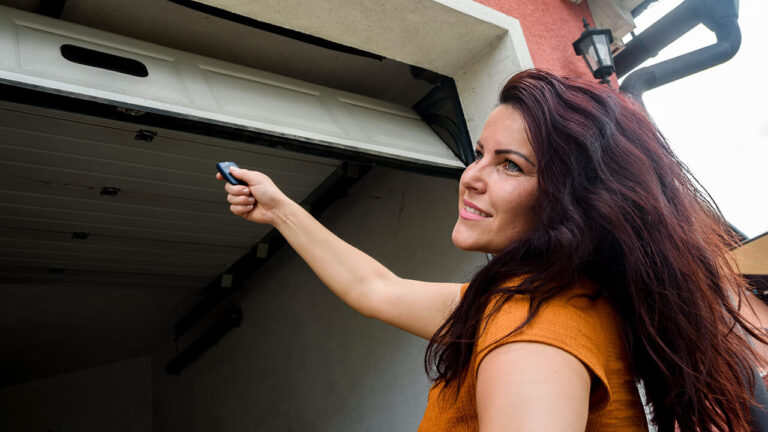
Ever have one of those moments where you’re sitting in your driveway, clicking that garage door remote like it’s a TV remote with dead batteries, and nothing happens? We’ve all been there. It’s a special kind of modern frustration, right up there with a buffering video. That daily workhorse of an entrance suddenly becomes a major obstacle, and we’re left wondering what’s going on inside that big metal box above our cars.
Well, take a deep breath. We’re about to walk through everything you need to know about your garage door—the noises that should worry you, the maintenance you’ve probably been putting off, and when to call in the pros (like us at Atlanta Garage Doors). Consider this a friendly chat from your nearest garage door enthusiasts who’ve seen it all in Atlanta, Alpharetta, Marietta, and Dunwoody.
Table of Contents
Getting to Know Your Garage Door’s Personality (Yes, It Has One)
Think of your garage door system as a team of athletes. They all have to work in perfect sync, or you get a spectacular failure. You’ve got the springs (the heavy lifters), the cables (the trusty assistants), the rollers and tracks (the guidance system), and the opener (the brains of the operation). When one player gets tired or injured, the whole game falls apart.
We find that most folks don’t give this system a second thought until it starts complaining. And let’s be honest, a garage door has a pretty dramatic way of complaining. Is it a grinding screech, a loud bang, or just moving slower than a Monday morning? Each sound tells a story. A high-pitched squeal might just mean it needs a tune-up, but a loud POP? That’s often a spring saying its final goodbye. That’s not just a repair; that’s an emergency situation you shouldn’t touch.
The Two Big Reasons You Shouldn’t Play DIY Hero
We get the temptation. YouTube makes everything look easy. But with garage doors, there are two massive reasons to put down the tools and pick up the phone.
- The Danger is Real: Those torsion springs are under an insane amount of tension. We’re talking “could-seriously-injure-you” levels of force. A botched garage door cable replacement or spring repair isn’t just a failed project; it’s a trip to the ER. It’s the one home repair we always, always say to leave to a professional garage door company.
- The “Fix” Often Costs More: Ever tried a quick fix that ended up causing three new problems? With garage doors, a misaligned sensor or a poorly adjusted limit switch can lead to a motor burning out or a door coming off its tracks. What started as a simple adjustment can turn into a full automatic garage door repair bill. It’s cheaper in the long run to get it right the first time.
When to Service, When to Replace, and When to Panic (Just Kidding, Don’t Panic)
So how do you decide between a service call and a full replacement? Let’s break it down.
You Likely Need a Repair If:
- The door is noisy but still operates.
- It reverses before hitting the floor.
- It’s sagging on one side.
- A single panel is damaged.
- The opener runs, but the door doesn’t move (hello, broken spring or cable).
Consider a Full Installation If:
- Your door is older than 20 years.
- You’re facing constant, recurring repairs (throwing good money after bad, right?).
- It’s a single-layer steel door that’s dented and inefficient.
- You’re updating your home’s curb appeal and want a modern look.
And about that emergency call? Here’s a pro tip: If your door is stuck open or shut, or if a cable is dangling or a spring is clearly broken, that’s your cue. A good local company, like ours at Atlanta Garage Doors, prioritizes these calls to secure your home. Safety first, always.
Residential vs. Commercial: It’s a Whole Different Ballgame
Now, if you’re a business owner reading this, your needs shift dramatically. Residential garage doors are about convenience, security, and looks. Commercial garage doors are about durability, frequency of use, and often, specific operational needs.
- Residential doors come in stylish designs—carriage house, modern aluminum, classic raised-panel. They often have windows and insulation options.
- Commercial doors are beasts. Think heavy-duty steel, high-speed operation for shipping bays, or rugged sectional doors for warehouses. The installation and repair for these require specialized knowledge and equipment. It’s not a side job for a handyman.
Whether you need a sleek new door for your home in Dunwoody or a heavy-duty solution for your business in Marietta, the approach is completely different. That’s why we have dedicated teams for each at Atlanta Garage Doors.
Your Cheat Sheet: Common Garage Door Issues & What They Usually Mean
Let’s make this super simple. Here’s a quick-reference table we wish we could hand out to every customer.
| Symptom You See/Hear | Likely Culprit | Is It DIY-Friendly? | What You Should Do |
|---|---|---|---|
| Loud SNAP or BANG | Broken Torsion or Extension Spring | Absolutely Not. High danger. | Stop use. Call for emergency repair. |
| Door Won’t Open/Close | Broken Spring, Cable, or Opener Issue | No. Requires diagnosis. | Call for professional garage door services. |
| Door is Crooked or Sagging | Broken Cable or Spring | No. Very unsafe. | Do not force it. Call for repair. |
| Grinding/Scraping Noise | Worn Rollers or Misaligned Track | Maybe, for lubrication. For replacement/realignment, call a pro. | Lubricate first. If noise continues, schedule service. |
| Opener Runs, Door Doesn’t Move | Disengaged Motor Clutch or Broken Spring | Check the emergency release cord first. If that’s not it, call. | Re-engage the opener. If problem persists, call. |
| Door Reverses Before Hitting Floor | Obstructed Safety Sensor or Limit Setting | You can check for sensor alignment/obstructions. Adjusting limits is trickier. | Clean sensor eyes, check alignment. If it continues, professional adjustment is best. |
Let’s Talk About the Brain: Your Garage Door Opener
The opener itself is a chapter of its own. The technology has come a long way from the one-button remote. Now we have Wi-Fi connectivity, battery backup for power outages, and ultra-quiet belt-drive systems. IMO, upgrading an old, chain-drive, rattle-monster opener is one of the best affordable improvements you can make for peace and quiet.
And those safety sensors? The little eyes at the bottom of the door? Please, for the love of all that is good, don’t tape them over to “fix” a reversing door. They’re there to prevent a major accident. If they’re malfunctioning, let’s fix them properly.
Why Your Local Atlanta Company is Your Best Bet
Okay, let’s get real for a second. You could call a big national franchise, and sometimes that works out fine. But here’s why we believe a local, Atlanta-based garage door company like ours wins every time:
- We Know Atlanta Homes: From the older bungalows in Marietta to the new builds in Alpharetta, we understand the common issues and the best solutions for our specific climate and styles.
- Faster Response: When you have an emergency, you don’t want a dispatcher in another state. You want a local team that can get to you quickly.
- Community Reputation: Our business lives and dies by our local reviews. We have to show up and do a fantastic job every single time, or word gets around. That accountability matters.
We built Atlanta Garage Doors on that simple principle: be the neighbor you’d want to call. It means showing up on time, giving a straight quote with no hidden fees, and doing the job right. Whether it’s a simple repair or a complex installation, that’s the standard.
Your Top 3 Garage Door Questions, Answered
We hear these all day, every day. Let’s clear them up.
1. “How often should I actually service my garage door?”
Think of it like changing the oil in your car. We recommend a professional tune-up once a year. They’ll tighten hardware, lubricate moving parts, check spring tension, and test the safety systems. It’s the best way to catch small issues before they become big, expensive problems.
2. “Is insulation really worth it for my garage door?”
If your garage is attached to your house, or if you use the space as a workshop, 100% yes. It regulates temperature, reduces noise from the opener and street, and strengthens the door. For detached garages used only for storage, it’s less critical. But for most homes in the Atlanta area, it’s a smart upgrade.
3. “How long should a new garage door installation actually take?”
For a standard residential garage door, a professional crew can typically remove the old door and complete the new installation in about 4-6 hours. More complex custom doors or commercial garage doors can take a full day or more. Any company promising a 1-hour miracle is probably cutting corners.
Wrapping This Chat Up
So, there you have it. Your garage door doesn’t have to be a mysterious, noisy source of anxiety. With a bit of knowledge and a trusted pro on speed dial, you can keep it running smoothly for years. Pay attention to its cries for help, don’t risk the dangerous stuff, and invest in a little preventative care.
And when the time comes that you need a hand—whether it’s for a strange noise, a door that’s seen better days, or you just want a modern upgrade—you know who to call. We’re here to provide affordable, reliable garage door services across our communities. Give Atlanta Garage Doors a shout; let’s get your home’s hardest worker back in the game quietly and efficiently. After all, we all just want to pull in, close the door, and start relaxing, right?
Related Articles
Garage Door Services
Side‑by‑Side Garage Door Material Longevity Report For Alpharetta’s Climate
Roll-Up Door Maintenance
The Buckhead Blueprint for a Bespoke Garage Entrance: A Definitive Guide
Garage Door Rain Deflector
Garage Door Low Headroom Installation Guide For Alpharetta’s Custom Homes
People Also Ask
When painting a garage door, avoid painting in direct sunlight or extreme temperatures, as this causes the paint to dry unevenly and bubble. Never skip cleaning and sanding the surface first; dirt and gloss prevent proper adhesion. Do not use standard house paint; always use a high-quality exterior latex or specifically formulated garage door paint to withstand weather and flexing. Avoid applying thick coats; thin, even layers prevent drips and cracking. Finally, do not paint over rust or damaged weatherstripping without repairing it first. For expert advice on choosing the right door material before painting, refer to our internal article titled Is Amarr Or Clopay A Better Garage Door?. Atlanta Garage Doors recommends these steps for a lasting finish.
While there are no strict rules, many designers advise against painting your front door a flat, muddy brown, a dull beige, or a pale, washed-out yellow. These colors often lack contrast and can make a home's entrance feel uninviting or dated. A better choice is to select a hue that complements your home's exterior and creates a strong focal point. For professional advice on color selection and installation, Atlanta Garage Doors can help you choose a door that enhances your home's curb appeal.
For a durable and professional finish, a garage door typically needs two coats of paint. The first coat acts as a primer or base layer, sealing the surface and providing adhesion. The second coat ensures even color, full coverage, and long-lasting protection against Atlanta's humidity and sun exposure. Using a high-quality exterior acrylic latex paint is recommended for best results. For detailed guidance on paint selection and application techniques, please refer to our internal article titled Frequently Asked Questions: Atlanta Garage Doors. Atlanta Garage Doors always advises allowing proper drying time between coats to prevent peeling and bubbling.
For the best results on a garage door, using a roller is generally superior to a brush for the large, flat panels. A roller applies paint more evenly and quickly, leaving a smooth, professional finish without the visible streaks that a brush can create. However, you should still use a high-quality angled brush for cutting in around the edges, windows, and any recessed details where a roller cannot reach. For textured or raised panel doors, a brush might be necessary to work paint into all the crevices. If you are painting a standard flat panel door, a foam roller is an excellent choice to minimize texture. For expert advice on paint selection and application techniques, the team at Atlanta Garage Doors can offer guidance to ensure your project looks its best.
For a metal garage door in the Atlanta area, the best paint is a high-quality, 100% acrylic latex exterior paint. This type of paint offers superior adhesion to metal surfaces and excellent flexibility, which is critical for withstanding the temperature swings and humidity common in our climate. An acrylic formula resists peeling, chipping, and fading far better than standard oil-based paints. Before painting, ensure the door is clean and lightly sanded, and always apply a rust-inhibitive metal primer first. For homeowners concerned about long-term performance, our internal article titled Side‑by‑Side Garage Door Material Longevity Report For Alpharetta’s Climate provides specific data on how different materials hold up. Atlanta Garage Doors recommends this approach to protect your investment and maintain curb appeal.
For painting a garage door, Sherwin Williams offers excellent options like their Duration or Emerald urethane lines. These paints provide strong adhesion and flexibility to withstand temperature changes. Before painting, ensure the door is clean, lightly sanded, and primed if bare metal is exposed. A high-quality exterior latex or a direct-to-metal paint works best for durability. If you need professional advice on color selection or surface preparation, Atlanta Garage Doors can guide you on industry best practices. We recommend applying two thin coats rather than one thick coat to prevent drips and ensure an even finish. Always check the manufacturer's drying times between coats for the best long-term results.


