
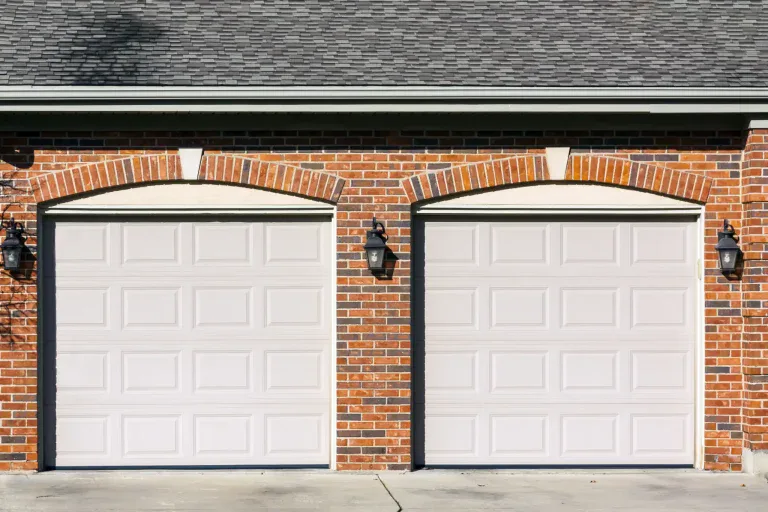
Key Takeaways: In Alpharetta, your garage door material choice isn’t just about looks—it’s a battle against humidity, pollen, and sun. Steel wins for pure durability, but it’s not invincible. Wood requires a serious commitment to maintenance. Aluminum is a lightweight contender with caveats. And composite materials are the interesting new player. The real cost isn’t the sticker price; it’s the maintenance and replacement timeline you’re signing up for.
Let’s talk about what really happens to a garage door after five years of Georgia weather. You see the spec sheets and the showroom samples, but they don’t show the pollen film that etches into the finish, the way afternoon sun bakes the south-facing panel, or the subtle warp that comes from 90% summer humidity. We’ve replaced enough doors in neighborhoods from Crabapple to Windward to know that material longevity here isn’t a theoretical spec—it’s a practical, often costly, reality.
The most common mistake we see? Homeowners choosing a material based purely on initial curb appeal or upfront cost, without a clear picture of the upkeep it demands in our specific environment. A door that might last 25 years in a drier climate can look—and function—like it’s 40 years old here in half that time.
So, what’s the best garage door material for longevity in Alpharetta?
For most homeowners, a 24-gauge or thicker steel door with a high-quality, baked-on polyester or polyurethane finish offers the best balance of durability, weather resistance, and minimal maintenance. It withstands humidity, resists warping, and handles temperature swings better than most. However, if you’re in a heavily wooded area or a part of town with more acidic rain, the maintenance schedule becomes non-negotiable.
Table of Contents
The Humidity & Heat Factor: It’s Not Just the Heat
Everyone worries about the sun, and they should. But the silent killer is our humidity. It’s what causes untreated wood to swell and contract seasonally, eventually leading to warped panels that won’t seal. It promotes oxidation on metal, especially where the paint gets chipped. It’s the reason why a door’s insulation can become less effective if moisture gets into the core. When we assess a door in Milton or Roswell, the first signs we look for are along the bottom seal and the panel joints—that’s where moisture tells its story.
Steel: The Workhorse (With a Caveat)
Steel is the default for a reason. A good, thick steel door (avoid the flimsy 28-gauge stuff) with a proper factory finish is a tank. It won’t rot, crack, or get eaten by bugs. But here’s the real-world observation: its longevity is almost entirely dependent on the integrity of that finish. Once a chip or scratch from a wayward basketball or lawnmower pebble exposes the bare metal, rust will start in our climate. It’s not a question of “if,” but “how fast.”
The trade-off is maintenance. It’s low, but not zero. A touch-up pen from the manufacturer is your best friend. We’ve seen doors from the late 90s still going strong because the owners did the occasional touch-up. We’ve also seen doors from 2015 that need full replacement because a scratch on the lower panel was ignored and the rust crept in.
Wood: The High-Maintenance Beauty
A custom wood door in a community like Country Club of the South is stunning. It has a warmth and authenticity that synthetics still struggle to match. But choosing wood here is like adopting a very expensive, very stationary pet. It needs constant attention.
The sun will bleach it. The humidity will swell it. If it’s not meticulously sealed and stained every 18-24 months, you’re looking at cracks, warps, and a door that becomes increasingly difficult to open and close smoothly. The longevity is entirely in the owner’s hands. We’ve been called to “repair” wood doors that simply needed a lifetime of deferred maintenance all at once—a bill that often shocks the homeowner.
Aluminum & Glass: Modern, But Delicate
Popular in more contemporary builds around Avalon and Downtown Alpharetta, aluminum doors are lightweight and resist rust. That’s the good news. The bad news is they dent if you look at them sideways. Their longevity can be compromised by physical damage long before the weather gets to them. Also, the anodized or painted finishes can oxidize and pit over time, especially if not cleaned regularly of pollen and pollution. They’re a great choice for a protected, modern aesthetic, but go in knowing they show every bump and bruise.
Composite & Fiberglass: The Curious Newcomers
This category has evolved dramatically. Modern composites, which blend materials to mimic wood grain without the weight or upkeep, are genuinely impressive. They resist dents better than aluminum, won’t rust like steel, and are impervious to rot. However, “longevity” is a tricky term here. While the material itself holds up, the color can fade under intense UV exposure over a decade or more. We’re still watching how the earliest installations in Johns Creek are aging. The early data is promising for durability, but the fade factor is something to consider if your door faces direct, all-day sun.
When “Longevity” Isn’t the Only Question
Sometimes, the most durable material isn’t the right choice. If you’re in a historic district or a home with very specific architecture, material authenticity might trump pure lifespan. Also, budget is a real constraint. A steel door might last 30 years with care, but if a wood door that lasts 15 years is all you can afford now, that’s a valid, practical decision. Just go in with eyes open about the long-term total cost.
Here’s a breakdown we often sketch out for customers at our Atlanta Garage Doors showroom, based on what we’ve seen come back for service or replacement.
| Material | Expected Lifespan in Alpharetta (With Proper Care) | The Real Maintenance Commitment | The Biggest Local Threat |
|---|---|---|---|
| Steel (24-gauge+) | 25-30+ years | Annual inspection for chips/rust. Immediate touch-up of any bare metal. Wash 2x/year to remove pollen/acids. | Surface rust from ignored scratches. Seal failure at panel joints. |
| Wood (Cedar/Redwood) | 15-25 years | Reseal/Restain every 1-2 years. Seasonal checking for warping or binding. | Humidity-driven warping. UV fading. Woodpeckers (seriously). |
| Aluminum | 20-25 years | Gentle cleaning to avoid finish scratches. Immediate attention to dents to prevent cracking. | Denting and physical damage. Oxidation of finish in humid air. |
| Composite | 20-30 years (est.) | Annual cleaning. Monitoring for UV fade, especially on south-facing installations. | Potential color fading over time. Still a relatively new material for long-term data. |
The Professional vs. DIY Reality Check
You can absolutely order a door online and try to install it yourself. We’ve seen the aftermath. The longevity of any door is profoundly affected by the precision of its installation. If the tracks aren’t perfectly aligned—and we’re talking fractions of an inch—the door will bind, wear out prematurely, and the opener will strain. The weather sealing is another critical point; a gap you don’t even see can let in a torrent of humid air and rain, attacking the door from the inside. For a purchase you make once every few decades, having a professional crew from a local company like ours handle it isn’t just about convenience; it’s an investment in ensuring the door actually reaches its potential lifespan. It often saves money on avoided repairs down the line.
The Local Twist: Pollen & “Acid Rain”
We have to mention the Pine Pollen. That yellow blanket every spring isn’t just a nuisance; it’s abrasive and, when mixed with morning dew, can become slightly acidic. Letting it cake on and bake on your door’s finish is like giving it a light sanding every year. A simple bi-annual wash with a mild detergent isn’t just for looks; it’s a key longevity practice. Furthermore, industrial and traffic pollution can contribute to acidic deposits, especially for homes closer to GA-400. This makes a robust, chemical-resistant finish more than a marketing term.
Final Thoughts
Choosing for longevity in Alpharetta means prioritizing materials that forgive our humidity and resist our sun. It means accepting that no material is truly “no-maintenance”—just different schedules and costs for that maintenance. Look past the brochure and ask the hard questions: “What does care look like year after year?” and “What happens if I ignore that?”
In the end, the right door is the one whose beauty you love and whose maintenance schedule you’ll actually follow. Because a perfectly durable door that you neglect will fail long before its time, and that’s the most expensive outcome of all. If you’re ever unsure, sometimes the best next step is to just walk your neighborhood and look at doors that are 10 or 15 years old. The truth is written right there on their faces.
People Also Ask
Steel and aluminum garage doors are popular, but they are not ideal for every home. The main reason to avoid them is their susceptibility to dents and impact damage. A stray basketball, hail, or a minor vehicle bump can leave a permanent mark that is difficult and costly to repair. Aluminum, while lighter, is especially prone to bending and scratching. Steel doors also conduct heat and cold, which can reduce your garage's energy efficiency unless they have thick, high-quality insulation. Additionally, both materials can corrode over time if the protective coating is scratched, especially in humid climates. If you prioritize durability and low maintenance, consider a fiberglass or wood composite door instead. For a professional assessment of your specific needs, Atlanta Garage Doors can help you weigh the options.
The average lifespan of a garage door is typically 15 to 30 years, depending heavily on the material, maintenance, and local climate. Steel doors generally last the longest, while wood doors may need replacement sooner due to rot and warping. Regular maintenance, such as lubricating moving parts and checking the balance, can significantly extend its service life. However, the garage door opener usually wears out faster, with an expected life of 10 to 15 years. For a detailed breakdown of factors that influence durability and signs that it is time for a replacement, please review our internal article titled What’s The Average Lifespan Of A Garage Door?. At Atlanta Garage Doors, we recommend scheduling an annual inspection to ensure your door remains safe and functional for years to come.
Choosing between fiberglass and steel garage doors depends on your priorities. Steel is generally stronger and more dent-resistant, making it a top choice for security and durability. However, steel can rust if the coating is scratched and is heavier, requiring a more robust opener. Fiberglass is lighter, naturally resistant to corrosion and salt air, and offers excellent insulation when foam-filled. The downside is that fiberglass can crack or become brittle in extreme cold and is more prone to impact damage. For Atlanta’s humid climate, fiberglass often wins on maintenance, but steel excels in overall impact protection. At Atlanta Garage Doors, we recommend steel for high-traffic households and fiberglass for coastal or moisture-prone areas. Ultimately, your budget and usage should guide the final decision.
The garage door industry is shifting toward smart, energy-efficient, and aesthetically bold designs. Homeowners are moving away from plain, utilitarian panels in favor of modern carriage-style doors with sleek, minimalist hardware. Smart technology is also a major trend, with doors that integrate with home automation systems for remote monitoring and voice control. Additionally, insulated doors with high R-values are becoming standard, as they reduce energy costs and improve comfort. For a detailed look at what is shaping the market this year, our internal article Top 2025 Garage Door Trends For Modern Homes offers a comprehensive guide. At Atlanta Garage Doors, we recommend focusing on durability and curb appeal, as these features provide the best long-term value for your property.

