
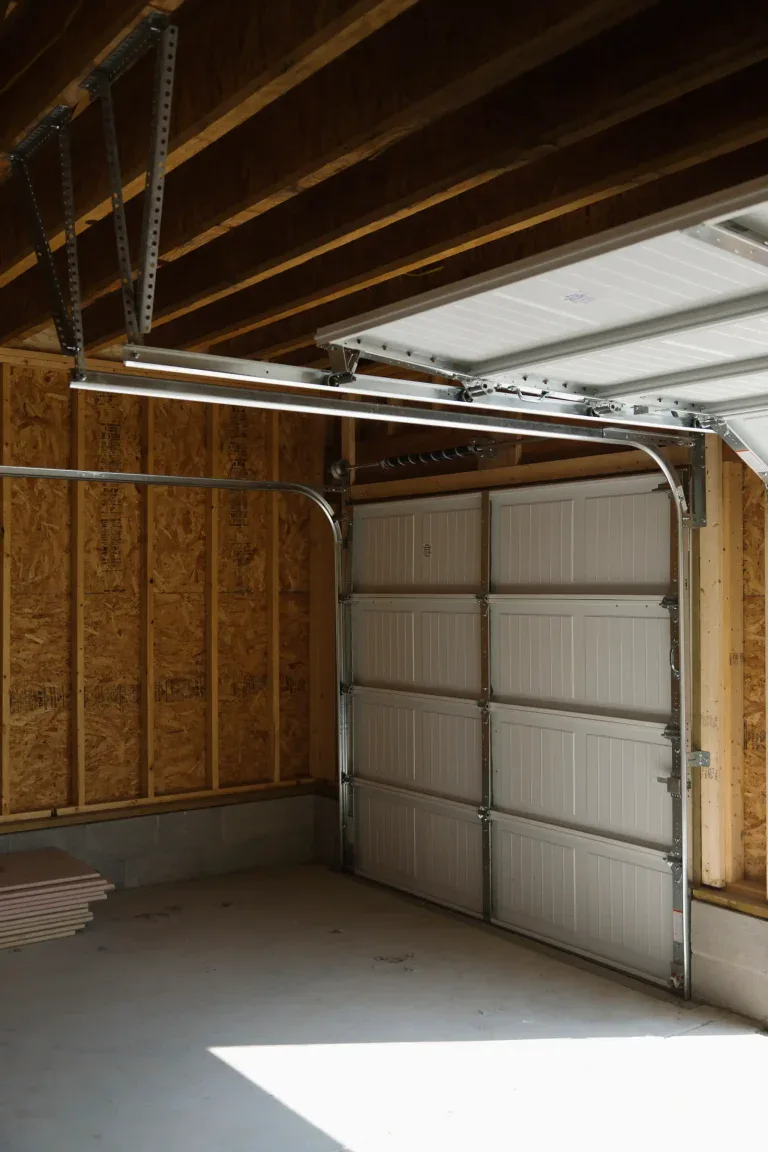
Let’s be honest, we don’t spend a lot of time thinking about our garage doors until something goes wrong. Then, it’s all we can think about. That grinding noise? That door that reverses for no reason? Or the classic—pulling out of the driveway only to see our door sitting crooked, one spring looking like a twisted piece of modern art. We’ve been there, and that’s exactly why we’re having this chat today.
We want to pull back the curtain on everything garage door-related. Consider this your friendly, no-BS guide from folks who’ve seen it all in the Atlanta area. We’ll talk maintenance, red flags, and what really goes into a quality repair or installation. And hey, if you’re in Atlanta or near communities like Alpharetta, Marietta, or Dunwoody, we’ve got some local insights you might find handy. So, grab a coffee, and let’s get into it.
Table of Contents
Getting to Know the Heart of Your Home’s Workhorse
We like to think of your garage door system as the hardest-working athlete in your home. It lifts hundreds of pounds up and down multiple times a day, every day, without much fanfare. But just like an athlete, it needs the right components and care to perform.
The Main Players on the Team:
- Springs: These are the powerhouse. They counterbalance the door’s weight so your opener doesn’t have to do all the work. When one breaks, you’ll know—it sounds like a gunshot and brings everything to a halt.
- Cables: These high-strength steel cables work with the springs, lifting and lowering the door evenly. A frayed or snapped cable is a serious safety hazard and an instant call for professional help.
- Opener: The brain of the operation. Modern automatic garage door repair often focuses here, dealing with sensors, motors, and gears.
- Rollers & Tracks: Think of these as the joints and pathway. Worn rollers make a racket, and bent tracks can cause binding or derailing.
Why does this matter? Because understanding these parts helps you diagnose issues. That weird sound isn’t just “a thing your door does”; it’s a symptom. And in our experience at Atlanta Garage Doors, catching a small symptom early prevents a major, costly breakdown later.
When to DIY and When to Wave the White Flag
We love a good DIY project. But with garage doors, the line between a simple fix and a dangerous situation is razor-thin.
Probably Safe for a Handy Homeowner:
- Lubricating moving parts (hinges, rollers, springs) with a silicone-based lubricant.
- Cleaning photo-eye sensors with a soft cloth.
- Tightening loose bolts on brackets (but not on springs!).
- Replacing weatherstripping.
Please, For the Love of All That Is Good, Call a Pro:
This is where we get serious. Garage door cable replacement and spring work are absolute no-gos for DIY. The tension in these components is immense and can cause severe injury or property damage if handled incorrectly. We’re not being dramatic; we’ve seen the aftermath. Same goes for a door that’s come off its tracks or won’t move at all. These are jobs for a trained technician from a trusted garage door company.
And what about those emergency situations? You know, when you’re leaving for a trip and the door won’t close, or it’s stuck open in a downpour? That’s when you need a local pro who can get to you fast. A company like ours, Atlanta Garage Doors, prioritizes these calls because we know how stressful they are.
Choosing Your Champion: Residential vs. Commercial Needs
Not all doors are created equal, and your needs in Dunwoody are vastly different from a warehouse in Midtown.
Residential Garage Doors are about curb appeal, security, and daily smooth operation. We think about insulation (R-value), material (steel, wood, composite), style, and smart home integration. It’s a balance of beauty and function.
Commercial Garage Doors are pure workhorses. We’re talking durability, frequency of use, and often, larger sizes. Think heavy-duty steel, high-tension springs, and industrial-grade openers. The priority is security, reliability, and minimizing downtime for a business.
The point is, a one-size-fits-all approach doesn’t work. A proper installation for either type requires specific expertise and equipment. IMO, skimping here by choosing an installer based only on the lowest bid often leads to more costs down the road in repairs.
The Real Cost of Garage Door Services: Beyond the Price Tag
Let’s talk money. We all want affordable service. But “affordable” shouldn’t mean “cheap.” It should mean fair value for expert work.
When you get a quote, you’re paying for:
- Expertise: Knowing the difference between a standard lift and a high-lift track system.
- Correct Parts: Using the right spring for your door’s weight and size.
- Time & Safety: Doing the job safely and correctly the first time.
- Warranty: A reputable company will stand behind their work.
A suspiciously low price often cuts corners on these very things. How do you find the balance? Check those reviews. Look for consistent comments about professionalism, punctuality, and lasting results. And when you call, ask detailed questions. A good company will educate you, not just give you a price.
Speaking of questions, let’s tackle some we hear all the time.
Your Top Garage Door Questions, Answered
1. “My door is making a terrible screeching/squeaking noise. What’s wrong?”
This is usually a cry for lubrication! The rollers, hinges, and springs are metal-on-metal. A good silicone-based spray lubricant (not WD-40, which is a degreaser) on these parts often works miracles. If the noise persists after lubrication, you likely have worn rollers or a deeper alignment issue.
2. “How often should I actually service my garage door?”
We recommend a basic DIY check twice a year: lubricate, clean sensors, and visually inspect for wear. A professional maintenance tune-up every 12-18 months is ideal. A tech can spot things you might miss, like a slight twist in a track or a spring nearing the end of its life cycle. Think of it like an oil change for your car—preventative care.
3. “Can I just replace my opener and keep my old door?”
Often, yes! But it’s not always that simple. If your door is 20+ years old, isn’t balanced, or has damaged components, a new opener will just struggle against the existing problems. A quality garage door company will assess the entire system to ensure your new opener works safely and efficiently with your current setup.
A Handy Troubleshooting Reference
Here’s a quick table to help you decode what your door might be telling you:
| Symptom | Likely Culprit | Is It an Emergency? | Suggested Action |
|---|---|---|---|
| Door won’t open/close | Broken spring, snapped cable, or opener failure. | Yes, if stuck open. | Do not force it. Call for emergency service. |
| Loud “bang” or “twang” | Broken torsion or extension spring. | Yes. The door is now unsafe to operate. Call for immediate repair. | |
| Door reverses before hitting floor | Obstructed or misaligned safety sensors. | No, but address it ASAP. | Check for debris blocking the sensor eyes. Ensure they are aligned (the lights should be steady). |
| Extremely slow operation | Worn-out opener, lack of lubrication, or old rollers. | No. | Lubricate all points. If no improvement, consider professional service. |
| Door is uneven/crooked | Broken cable or spring issue. | Yes. This can lead to derailment. | Stop using the door and call a professional immediately. |
Wrapping It Up & Why Local Matters
At the end of the day, your garage door is a major mechanical entry point to your home or business. It deserves respect and proper care. Whether it’s routine maintenance, a sudden breakdown, or planning a new installation, who you call makes all the difference.
This is where we get a bit biased, but for good reason. Choosing a local, established company like Atlanta Garage Doors means you’re getting a team that knows the specific weather challenges in Atlanta, understands the architectural styles from Marietta to Dunwoody, and can be at your door quickly when you need help. We’re your nearest neighbor in the business, not a faceless national call center.
So, the next time you hear that strange grind or see your door hesitating, you’ll know what’s up. You can tackle the simple stuff with confidence. And for the big stuff? Well, you know who to call. Give us a shout for honest advice or to schedule a check-up. Let’s keep your door moving smoothly for years to come 🙂
Related Articles
How To Open Genie Garage Door Without Power
How To Reset Garage Door Opener After Pulling Red Cord Chamberlain
How To Open LiftMaster Garage Door Manually From Outside
How To Open Garage Door With Key
Garage Door Emergency Release Cord Replacement
People Also Ask
A red pulley on a garage door system is typically part of the emergency release mechanism, not a standard lifting component. To open the door manually, first ensure the door is fully closed to relieve tension. Locate the red cord or handle attached to the pulley, which is connected to the trolley on the opener rail. Pull the cord straight down firmly. This disengages the carriage from the drive chain or screw, allowing you to lift the door by hand. Once the door is open, you can re-engage the system by pulling the cord again and running the opener briefly. Always support the door's weight when lifting. For safety inspections or stubborn mechanisms, Atlanta Garage Doors recommends professional service to avoid spring-related injuries.
Pulling the red cord on your garage door opener disengages the trolley from the carriage, switching the system to manual operation. This is a critical safety feature for emergencies, such as a power outage or if the door is stuck. Once pulled, the door can be lifted or lowered by hand. However, it is essential to remember that the spring system is under extreme tension. If the door is partially open, it may crash down suddenly, posing a serious injury risk. For routine maintenance or testing, always ensure the door is fully closed before pulling the cord. If you encounter resistance or the door feels unbalanced, do not force it. Contact a professional like Atlanta Garage Doors to inspect the torsion springs and cables before re-engaging the opener.
To reset a side mount garage door opener after pulling the red emergency release cord, first ensure the door is fully closed. Manually push the door down if it is open. Then, simply pull the red cord toward the motor unit until you hear a distinct click, which re-engages the carriage onto the trolley. After that, press the wall button or remote once to test. If the door moves, the reset is complete. If it does not, you may need to cycle the power by unplugging the opener for 30 seconds. Always verify the safety sensors are aligned. For persistent issues, Atlanta Garage Doors recommends scheduling a professional inspection to avoid damaging the drive mechanism.
After a power outage, most garage door openers require you to manually reengage the trolley. First, pull the emergency release cord (usually red) to disengage the carriage from the drive chain or belt. This allows you to open the door by hand. Once power is restored, simply pull the release cord again while the door is fully closed. You should hear a click as the trolley reconnects to the drive mechanism. If your unit has a lock button on the wall console, press it once to unlock, then press the open button. For models with a battery backup, ensure the battery is charged. If the door still won't move, check the circuit breaker. For persistent issues, Atlanta Garage Doors offers professional troubleshooting to ensure your system is safe and fully operational.
If your garage door emergency release cord is stuck in the down position, the trolley is likely disengaged from the carriage. This usually happens when the red cord is pulled while the door is under tension. First, pull the cord again firmly to reset the mechanism, then manually lift the door until it clicks back onto the track. If it still will not re-engage, you may need to loosen the door’s close force or check for a bent release lever. For a power outage scenario, our internal article titled 'How To Open Genie Garage Door Without Power' provides step-by-step instructions. If the release remains jammed, avoid forcing it, as this can damage the opener. Atlanta Garage Doors recommends inspecting the spring tension and cable alignment before calling for professional service.
If your garage door release cord is not working, it usually means the emergency release mechanism is stuck, rusted, or the cord has snapped. First, inspect the red cord for fraying or breakage. If it is intact, the issue is often a seized lever inside the trolley. Gently pull the cord at a slight angle while manually lifting the door to relieve tension. If the lever is stuck, apply a silicone-based lubricant to the pivot points, avoiding grease which attracts dirt. For safety, never pull the cord while the door is under extreme spring tension. If the mechanism still fails, the internal components may need replacement. For a step-by-step guide on bypassing power issues, see our article on How To Open Genie Garage Door Without Power. If you are in the Atlanta area, Atlanta Garage Doors can professionally service or replace your release mechanism to ensure safe, manual operation.
When your LiftMaster opener’s red emergency release cord is pulled, the trolley detaches from the carriage, which can cause the door to come off its track if moved manually. To fix this, first ensure the door is fully closed. If it’s stuck halfway, carefully pull it down using the handle, keeping fingers clear of the rollers. Next, inspect the track for bends or debris, and check that the rollers are seated inside the vertical and horizontal rails. Gently lift the door’s bottom section to guide the bottom rollers back into the track, then work your way up, pushing each roller back into place with a flathead screwdriver if needed. Once all rollers are aligned, re-engage the trolley by pulling the red cord toward the motor until you hear a click. Finally, test the door manually and then with the opener. For persistent misalignment or damaged tracks, contact Atlanta Garage Doors for professional service to avoid injury or further damage.

