

Thank you Simon! Came out to GreenTec auto and fixed the dock door for us. Never got frustrated with having to go and replace the springs twice. Very reasonable price and great work!

Simon is an excellent technician when it comes to garage door repairs, he was prompt, very easy to work with. He replaced my garage door broken spring and cables and checked rollers etc. I highly recommend Simon for garage door repair work.

Simon made the process smooth and straightforward. He gave me the lowest estimate for a torsion spring replacement and followed through on that estimate. Some companies would not even give me an estimate. He was on time and finished the job in 25 min. Friendly and honest. Thank you!

Simon was exceptional. We have had issues with our garage doors, he came the same day to do maintenance, explained what the issue was, what our options were, walked us through everything on eye level. Such a great service provider!
I would absolutely recommend working with him and will hire again, thank you Simon and team.

Great service- fast and efficient. Purchased new opener and was up in no time

Great service from Simon and Atlanta Garage Doors! I called on a Sunday evening about broken springs and was pleasantly surprised to speak with a real person, not a virtual assistant. They came out the very next day, provided excellent and timely service, and the price was very affordable. Highly recommend!


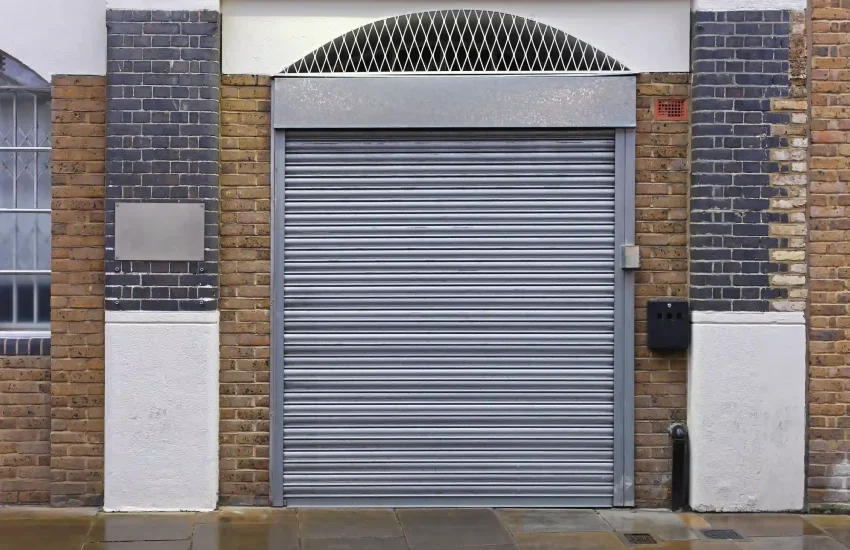


Yes, a broken garage door can absolutely be an emergency, especially if it leaves your property unsecured or a vehicle trapped inside. A door stuck halfway, a snapped spring, or a malfunctioning opener creates a security risk and a safety hazard for your family. In many cases, the door becomes inoperable, preventing you from leaving or entering your home. For immediate safety concerns, we recommend treating a broken door as an urgent matter. For more details on handling urgent situations, you can refer to our guide on Emergency Commercial Garage Door Repair. Atlanta Garage Doors always advises addressing these issues promptly to avoid further damage or injury.
The cost to fix a garage door that will not close typically ranges from $100 to $350, depending on the underlying issue. Common problems include misaligned safety sensors, a broken spring, or a faulty opener motor. A sensor alignment or simple adjustment is often the least expensive fix, while replacing a torsion spring or opener motor will be at the higher end of the range. For a reliable diagnosis and repair, consider professional service. For more details on pricing and solutions, you can read our internal article titled Atlanta Garage Doors | Top Rated Garage Door Repair & Installation Services.
In an emergency, you can manually open your garage door by first pulling the red emergency release cord. This cord disconnects the door from the opener, allowing you to operate it by hand. For a smooth process, always ensure the door is fully closed before pulling the cord to avoid a sudden drop. Once released, lift the door manually using the handles. If the door is heavy or stuck, do not force it, as this can cause injury or damage. For step-by-step guidance on reconnecting the door after use, refer to our internal article titled How To Reengage A Garage Door After Pulling A Red Cord?. Atlanta Garage Doors recommends regular maintenance to ensure the emergency release mechanism functions properly when needed.
The most common garage door repair involves fixing or replacing broken springs. Torsion and extension springs bear the immense weight of the door, and they typically wear out after 10,000 to 15,000 cycles. When a spring snaps, the door becomes heavy and unsafe to operate manually. Other frequent repairs include malfunctioning garage door openers, snapped cables, and off-track rollers. For a comprehensive solution to dents and surface damage, we recommend reading our internal article Garage Door Dent Repair Service. For any spring or cable issue, professional service from Atlanta Garage Doors ensures safe, lasting repairs.
When a garage door breaks unexpectedly, the cost for an emergency repair can vary based on the time of day and the severity of the issue. For a standard service call during normal business hours, you might expect to pay between $100 and $200 just for the visit, with additional charges for parts and labor. After-hours or weekend emergency services often carry a premium, sometimes doubling the service fee. The total bill depends on whether the problem is a simple spring replacement or a more complex opener failure. For a detailed guide on resolving common issues yourself before calling for help, please refer to our internal article titled How To Reengage Garage Door Remote. Atlanta Garage Doors recommends always asking for a full estimate before any work begins to avoid surprises.
If you need the best emergency garage door repair, the key is to find a company that offers 24/7 service with rapid response times. A broken spring or a snapped cable can leave your vehicle trapped and your home vulnerable, so immediate professional help is critical. Look for technicians who carry fully stocked trucks to handle common issues like broken springs, off-track doors, or malfunctioning openers on the first visit. For reliable service in the metro area, you can read our detailed guide on the best local provider: Best Garage Door Repair Company in Atlanta: Why Atlanta Garage Doors Wins. Always ensure the company you call is licensed and insured to protect your property during urgent repairs.


591 reviews


