
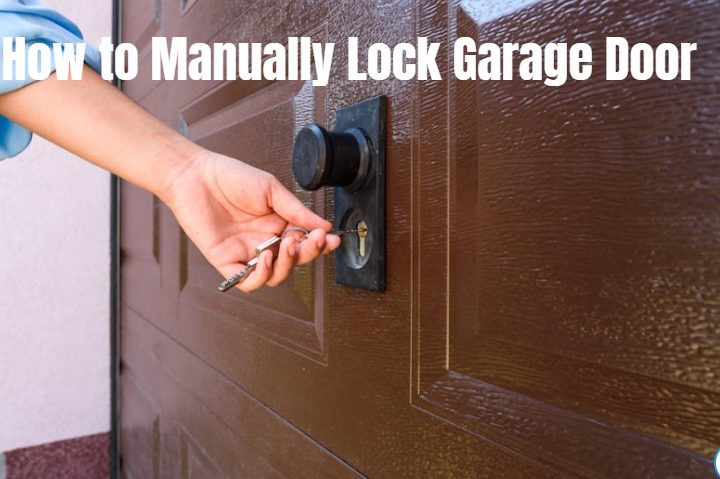
How to Manually Lock Your Garage Door (Because Technology Isn’t Perfect, Right?)
Hey there, fellow garage door enthusiasts! Let’s talk about something we’ve all faced at least once: that moment when your automatic garage door decides to ghost you. Maybe the power’s out, your opener’s on strike, or you just want that extra layer of security. Whatever the reason, knowing how to manually lock your garage door is like having a secret weapon in your home maintenance arsenal. And hey, if you’re in Alpharetta, Dunwoody, Marietta, Sandy Springs, or Atlanta, our team at Atlanta Garage Doors has your back whether you need garage door repair, installation, or just some friendly advice. Let’s get into it!
Why Bother Locking It Manually? (Spoiler: It’s Not Just for Zombie Apocalypses)
We get it automatic garage doors are supposed to make life easier. But let’s be real: tech fails. Power outages happen. Opener batteries die. And sometimes, you just want to double check that your garage isn’t an open invitation for, say, raccoons or overly curious neighbors. Manually locking your garage door adds peace of mind. Plus, if you’re dealing with a broken garage door or a finicky opener, this skill could save you a midnight panic call to your local garage door repairman.
FYI: Regular garage door maintenance can prevent a lot of these headaches. But when life throws curveballs, manual locks are your MVP.
Tools You’ll Need (Spoiler Alert: It’s Not Rocket Science)
Before we dive in, let’s keep it simple. You’ll need:
- A sturdy ladder (safety first, folks!).
- A flashlight (unless you’ve mastered seeing in the dark).
- A garage door specialist level dose of patience.
Most manual locks are built into the door itself no fancy gadgets required. If your door doesn’t have one, though, it might be time to call a garage door technician for a quick upgrade.
Step by Step: Locking That Door Like a Pro
Step 1: Find the Manual Lock
Look for a handle or latch on the inside of your garage door, usually near the center or sides. If you’ve got a sectional door (the kind with panels), the lock might be a sliding bolt or a rotating handle. Pro tip: If you’re squinting and still can’t find it, check your owner’s manual or snap a pic and text it to us at Atlanta Garage Doors. We’re here to help!
Step 2: Engage the Lock
- Sliding Bolt: Push the bolt into the track until it clicks into place.
- Rotating Handle: Turn it 90 degrees (like you’re opening a stubborn jar of pickles).
- Emergency Release Cord: Pull it down to disconnect the opener. Wait, isn’t this for opening the door? Sure, but disengaging the opener ensures the door stays put.
Step 3: Test It (Because Trust, but Verify)
Give the door a gentle tug. If it doesn’t budge, congrats you’ve outsmarted modern technology! If it moves, check for obstructions or call a garage door service pro.
When to Call the Pros (No Shame in It!)
Look, we’re all for DIY spirit. But if your manual lock is rusted shut, missing parts, or just being a diva, it’s time to tag in a garage door specialist. At Atlanta Garage Doors, we’ve seen it all from doors that groan like they’ve got arthritis to openers that belong in a tech museum. Whether you’re in Sandy Springs or Marietta, our team handles garage door installation, opener repair, and everything in between.
Keep It Smooth: Maintenance Tips
Want to avoid manual lock drama? Try these:
- Lubricate tracks and rollers annually (WD 40 is your friend).
- Test the balance of your door by disconnecting the opener and lifting it halfway. If it doesn’t stay put, your springs might need attention.
- Schedule a garage door servicing once a year. Think of it as a spa day for your door.
Manual Lock Types: A Quick Cheat Sheet
| Lock Type | Best For | Pro Tip |
|---|---|---|
| Sliding Bolt | High security | Pair with a padlock for Fort Knox vibes. |
| T Handle | Easy access | Common on newer doors; no tools needed. |
| Emergency Release | Temporary fixes | Use sparingly it’s not a long-term solution. |
FAQs: Because We Know You’re Curious
1. Can I install a manual lock myself?
Sure, if you’re handy! But for alignment and safety, we’d recommend a garage door opener installer or technician. One wrong drill hole, and you’ve got a DIY disaster.
2. My door won’t stay locked. What’s wrong?
Could be misaligned tracks, worn springs, or a lock that’s seen better days. Time to call a garage door repair near me expert (hint: we’re in Atlanta!).
3. Are manual locks secure against break ins?
They’re a solid deterrent, but nothing beats a modern automatic garage door with smart security features. For top tier protection, ask us about upgrades!
4. How often should I check my manual lock?
Every 3-6 months. Add it to your calendar right between “water plants” and “binge watch Netflix.”
Final Thoughts: Stay Locked, Stay Safe
Manually locking your garage door isn’t just a backup plan it’s a smart habit. And hey, if you’re ever stuck, remember: Atlanta Garage Doors is just a call away. Whether you’re in Dunwoody needing garage door opener repair or in Alpharetta looking for the best garage door company, we’ve got the skills (and the humor) to help.
So go ahead, give that lock a test run. And if all else fails? Well, there’s always duct tape. (Kidding. Mostly.) 😉
Need a hand? Contact Atlanta Garage Doors today for reliable service, zero jargon, and maybe a dad joke or two. Your garage deserves it!
Related Articles
People Also Ask
Yes, you can manually lock most garage doors for added security. The method depends on your door type. For sectional roll-up doors, a common feature is a manual lock or latch, often a T-handle or slide bolt located on the inside of the door. You engage this to physically secure the door to the track, preventing it from being opened from the outside even if the opener is activated. For one-piece tilt-up doors, you typically use a padlock or hasp on the track itself. It is crucial to disengage the automatic opener by pulling the emergency release cord before attempting to lock the door manually to avoid damaging the mechanism. Always consult your owner's manual for the specific locking procedure for your model.
To relock a garage door after manually opening it, you must re-engage the automatic opener with the door. First, ensure the door is fully closed. Locate the emergency release cord (the red handle) that you pulled to disengage the opener. Pull this cord gently toward the garage door opener motor unit until you hear a distinct click. This sound indicates the trolley carriage has re-engaged with the opener's drive mechanism. You can then test the system by using your wall button or remote; the opener should now smoothly lift and lower the door. For a detailed, step-by-step guide on this exact process, please refer to our internal article How To Reengage A Garage Door After Pulling A Red Cord?. Always ensure the door's path is clear before operating.
To lock a garage door without power, you must manually engage its locking mechanism. For most sectional roll-up doors, locate the emergency release cord (usually red with a handle) hanging from the trolley that connects the door to the opener carriage. Pull this cord down and toward the door to disengage the opener. Then, manually lower the door completely. Once down, you can typically slide a sturdy metal bolt or padlock through the track just above one of the door's rollers to prevent it from being lifted from the outside. For swing-out doors, use a heavy-duty padlock on the hasp. Always ensure the primary manual lock on the door itself is also engaged. This provides a strong physical barrier, though it's a temporary solution until power is restored.
Yes, you can close a garage door manually, which is a crucial skill during a power outage or opener malfunction. First, ensure the area is clear of people and obstructions. Locate the emergency release cord, which hangs from the trolley carriage on the opener rail. Pull this cord down and towards the door; this disengages the opener mechanism, allowing you to operate the door by hand. Gently guide the door down, keeping control of its weight. It should move smoothly on its tracks. To re-engage the opener, simply lift the door to the fully closed position and pull the release handle back toward the door until it clicks. For a more detailed, step-by-step guide on manual operation, including important safety precautions, please refer to our internal article How To Open A Garage Door Manually?.
To manually lock a garage door without a remote, you typically engage a physical locking mechanism. For most modern sectional garage doors, this involves using a manual lock bar or T-handle located on the inside of the door. Slide the lock bar into the track or turn the T-handle to secure the door to the track, preventing it from being opened from the outside. If your door has a keyed lock cylinder on the outside, you can use the key to engage the bolt. It's crucial to disconnect the automatic opener first by pulling the emergency release cord (usually a red handle) so the door is not under power. Always ensure the door is fully closed and the locking mechanism is properly seated for security. For specific instructions, consult your door's manual, as designs vary.
To manually lock a garage door from the inside, first ensure the door is fully closed. For most sectional roll-up doors, you can engage a manual lock by sliding a t-handle bolt or latch located on the inside of the door, typically near the center or on the track. This bolt slides into a receiver on the door track, physically preventing the door from moving. On some older or one-piece doors, you might find a simple slide bolt or padlock hasp installed on the jamb. Always test the lock by trying to lift the door slightly to confirm it's securely engaged. Remember, manual locks are a backup; for primary security, always use your automatic garage door opener's lock feature if available.