
Let’s be honest, we don’t give our garage doors much thought until something goes wrong. That is, until the day it starts making a sound like a dinosaur in distress, or worse, it just… doesn’t. It becomes the most important piece of machinery in the house. Suddenly, we’re all experts in torsion springs and track alignment, right? Well, maybe not. But that’s why we’re here. We’ve seen it all from our vantage point at Atlanta Garage Doors, and we’re going to walk through everything you need to know about keeping this giant moving part of your home happy, healthy, and quiet.
Table of Contents
Getting to Know the Beast: What’s Actually Up There?
First things first, let’s demystify the thing. Your garage door system is a deceptively simple machine with some seriously heavy-duty parts working in concert. When one part throws in the towel, the whole show stops.
The Heavy Lifters: Springs and Cables
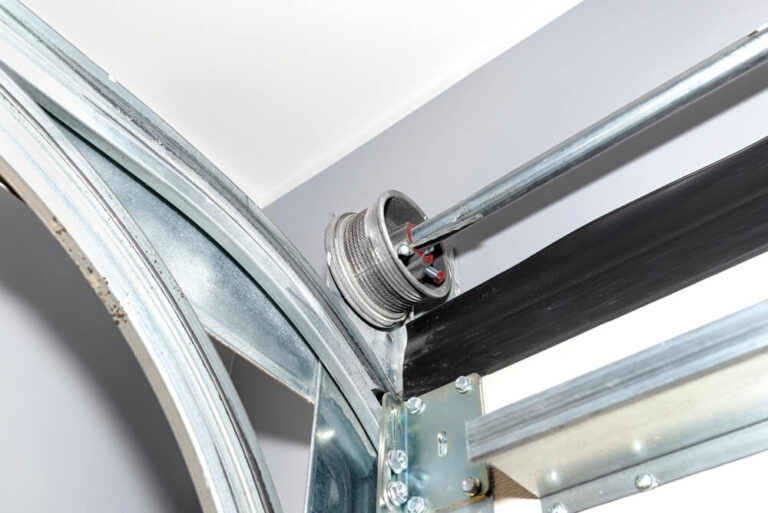
This is the big one. Those long, coiled springs on either side of the door? They’re doing about 90% of the lifting work. Your opener just gives it a nudge. There are two main types:
- Torsion Springs: Mounted horizontally above the closed door. They’re generally more durable and safer.
- Extension Springs: Run vertically along the horizontal tracks. Common on older doors.
The cables are the unsung heroes. They work with the springs to lift the door evenly and safely. A snapped garage door cable replacement is a full-stop emergency—do not try to operate the door. This is one of those times you call the pros (like, ahem, us) immediately.
The Guiding Force: Tracks and Rollers
Think of these as the train tracks for your door. If the tracks are bent or misaligned, your door will bind, jump, or get stuck. The rollers should move smoothly and quietly. If they sound like grinding gravel, it’s time for an upgrade to nylon rollers. Trust us, the noise reduction is worth it.
The Brains (and Brawn): The Opener
The motor unit gets all the glory, but it’s just following orders. Modern openers have safety features like auto-reverse and are often Wi-Fi connected. But even the best opener is helpless if the springs or tracks fail.
The “Uh-Oh” List: Signs You Need Professional Help
We get it, you’re handy. Some things are perfect for a DIY weekend. A garage door repair usually isn’t one of them. The forces involved are massive and dangerous. Here’s when to put the tools down and pick up the phone:
- The door is uneven or crooked when opening or closing. This is a major red flag.
- Loud grinding, scraping, or banging noises that are new and exciting (in a bad way).
- The door slams shut or falls faster than it should when closing manually.
- Visible gaps in the springs or, obviously, a spring that has snapped in two.
- The opener runs, but the door doesn’t move. This often points to a spring failure.
- Frayed or snapped cables. Non-negotiable. Stop everything.
If you’re seeing any of this, you need a garage door company you can trust. For folks near Alpharetta, Marietta, Dunwoody, or anywhere in the Atlanta metro, finding a reliable local team is key. IMO, waiting for a big national chain when you have a door off its tracks is… an interesting choice. Local means faster response, especially for an emergency situation.
Choosing Your Champion: New Door 101
Maybe your door is beyond repair, or you’re just tired of looking at that dent from, ahem, “the parking incident.” Shopping for a new door is fun! Here’s the lowdown.
Residential vs. Commercial Needs
This one’s usually straightforward. Residential garage doors focus on curb appeal, insulation, and style. Commercial garage doors are about durability, security, and frequency of use. We handle both at Atlanta Garage Doors, but the decision matrix is totally different.
Material Matters: A Quick Comparison
| Material | The Good Stuff | The Not-So-Good | Our Take |
| :— | :— | :— | :— |
| Steel | Durable, affordable, low maintenance, great insulation options. | Can dent. Prone to rust if scratched. | The all-around MVP for most homes. The value king. |
| Wood | Stunning, classic curb appeal. High-end look. | High maintenance (painting/staining), expensive, can warp. | It’s a lifestyle choice. Beautiful, but be ready for the upkeep. |
| Aluminum/Glass | Modern, sleek, lets in natural light. | Less insulating, can show fingerprints. | Perfect for contemporary homes. Makes a statement. |
| Vinyl | Rust-proof, dent-proof, decent insulation. | Can fade over time, limited style options. | Fantastic for coastal areas or heavy-use situations. |
Insulation: It’s Not Just for Your Attic
An insulated door is a game-changer if your garage is attached or you use the space for more than storage. It regulates temperature, reduces noise, and can even cut down on your energy bills. For a standard Atlanta garage, polyurethane insulation (a solid foam core) beats polystyrene (styrofoam panels) every time. It’s stronger and insulates better.
Why Your Installer is More Important Than Your Door
Here’s a secret from the inside: a premium door with a shoddy installation will perform worse than a budget door installed perfectly. It’s all about precision. The tracks must be perfectly level and plumb. The springs must be calibrated to your door’s exact weight. The safety sensors must align to a millimeter.
This is where reviews are your best friend. Don’t just look at the star rating; read what people say about the crew’s professionalism, cleanliness, and attention to detail. Was the job site left clean? Did they explain how everything worked? This is the stuff that separates a great experience from a headache.
A proper installation by a team like ours at Atlanta Garage Doors includes a full safety check and tune-up, ensuring every nut, bolt, and bracket is secure. We treat every home like it’s our own—because in this community, it might just be our neighbor’s.
Keeping the Peace: Maintenance You Can Actually Do
Okay, we’ll give you a few jobs! This quick routine can add years to your door’s life and prevent many common issues. Do this every few months:
- Visual Inspection: Look for loose hardware, rust, and wear on cables.
- Balance Test: Disconnect the opener (pull the red cord). Manually lift the door halfway and let go. It should stay put. If it slides up or down, the springs are out of balance.
- Safety Sensor Test: Place an object (like a roll of paper towels) in the door’s path while closing. The door should automatically reverse. If it doesn’t, this is a critical fix.
- Lubrication: A light spray of white lithium grease or a silicone-based lubricant on the springs, hinges, and rollers. FYI: Avoid heavy grease or WD-40, which can attract gunk.
For everything else—spring work, track realignment, automatic garage door repair—call your nearest professionals. It’s the safest and most cost-effective choice in the long run.
Your Top Garage Door Questions, Answered
1. “My garage door opener is running, but the door isn’t moving. What’s wrong?”
This almost always signals a broken spring. The opener motor doesn’t have the strength to lift the door’s dead weight. The springs do that work. When they break, the opener just hums or strains uselessly. Time for a professional repair.
2. “How often should I replace my garage door?”
A well-maintained door can last 15-30 years. The opener usually needs replacing every 10-15 years. Consider replacement if repairs are becoming frequent and costly, the door is severely damaged, or it’s so outdated it’s hurting your home’s efficiency and curb appeal.
3. “Is an insulated garage door really worth it?”
If your garage is attached to your home, or if you use it as a workshop, gym, or living space, absolutely. It acts as a thermal barrier, making your home more comfortable and potentially lowering energy costs. It also makes the door operate more quietly and adds structural strength.
So, there you have it. Your garage door doesn’t have to be a mystery or a monster. With a little basic knowledge and a great local partner for the big stuff, you can ensure it works smoothly for years. Whether you’re dealing with a sudden emergency, planning a new installation, or just need a tune-up, remember that quality garage door services are about safety and precision above all. And if you’re in the Atlanta area and need the nearest team that treats your home like their own, you know who to call. We at Atlanta Garage Doors are always here to help keep your home’s biggest moving part moving right.
Related Articles
People Also Ask
Costco does not manufacture garage doors; they operate as a retailer. The garage doors sold through Costco are typically made by trusted, established manufacturers, most commonly Amarr Garage Doors. Amarr is a leading U.S. brand known for producing a wide range of residential and commercial doors. However, the specific brand can vary depending on your local Costco warehouse and the independent contractor they partner with for installation. For professional advice on which Amarr model suits your home, or for expert installation and service in the Atlanta area, Atlanta Garage Doors can provide a free consultation to ensure you get a durable, properly fitted door.
Costco primarily sells garage doors through its partnership with the Genie Company, offering their brand of openers and accessories. However, for the actual door panels themselves, Costco does not manufacture or sell a single proprietary brand. Instead, they act as a broker, connecting members with local, independent dealers who supply and install doors from various manufacturers like Amarr, Clopay, or CHI. The specific brand available to you will depend entirely on which regional installer services your area. For a guaranteed, high-quality installation with a clear brand selection, many homeowners in our service area prefer working directly with a specialist like Atlanta Garage Doors, ensuring you get the exact model and warranty you expect without third-party coordination.
Amarr garage doors are manufactured primarily in the United States, with major production facilities located in Lawrence, Kansas, and other strategic domestic plants. As a leading brand under the Overhead Door Corporation, Amarr prides itself on American-made craftsmanship, using high-quality steel and composite materials sourced from North American suppliers. This domestic manufacturing ensures consistent quality control and compliance with strict building codes. For homeowners in the Atlanta metro area, choosing an Amarr door means you are getting a durable, locally supported product. At Atlanta Garage Doors, we frequently install these U.S.-built doors because they offer excellent insulation and curb appeal, and our technicians are fully trained to service their specific hardware and spring systems.
When evaluating garage door manufacturers, the highest quality options consistently come from brands like Clopay, Amarr, and CHI Overhead Doors. These companies use heavy-gauge steel, corrosion-resistant hardware, and superior insulation (R-values of 16 or higher) for energy efficiency. For premium craftsmanship, consider wood composite or carriage-style doors with reinforced panels and wind-load bracing, especially in storm-prone areas. A crucial factor is the installation itself; even a top-tier door fails if improperly mounted. At Atlanta Garage Doors, we recommend checking warranty coverage (lifetime on springs and panels) and verifying that the dealer is factory-certified. For a detailed breakdown of materials, construction methods, and brand comparisons, please see our internal article titled Who Makes The Highest Quality Garage Doors?. This guide will help you match your budget to the best long-term value.
When evaluating whether Costco garage doors are a good deal, the answer depends on your priorities. Costco partners with local installers, offering competitive bundle pricing and their famous return policy on the door itself. However, the installation quality and warranty service are outsourced, meaning your experience varies by contractor. You may save on the initial purchase, but you often pay a premium for mid-tier materials compared to direct-from-manufacturer quotes. Before committing, get an itemized estimate from a specialized provider like Atlanta Garage Doors. We can compare apples to apples on steel gauge, insulation R-value, and hardware. Often, a direct quote includes better springs and rollers, which are critical for longevity, making the long-term value superior to a warehouse club deal.
The cost of a garage door installation through Costco can vary significantly based on the door size, material, and insulation level. Typically, you can expect to pay between $800 and $1,500 for a standard single-car door, while a double-car door often ranges from $1,200 to $2,500. This price usually includes the door, hardware, and basic installation, but it rarely covers the removal of your old door or complex track modifications. These extras can add $150 to $300 to your final bill. While Costco partners with local installers, it is wise to compare their bundled quote with a direct estimate from a specialized company like Atlanta Garage Doors, as you might find more competitive pricing or a better warranty for the same level of workmanship.
When comparing Amarr garage door prices through Costco, you are typically looking at a premium tier due to the bundled installation and warranty. Costco members often receive exclusive pricing on Amarr's Lincoln and Stratford collections, with costs ranging from $1,200 to $2,500 installed for a standard single-car door. This price includes the door, hardware, and professional labor, which is a significant value add. However, the final quote depends on size, insulation value, and window options. For a more competitive estimate without the membership requirement, Atlanta Garage Doors offers direct pricing on the same Amarr lines, often with flexible scheduling. We recommend getting a detailed quote from both sources to compare the total cost, as local dealers can sometimes match or beat the big-box package price while offering more customization.
When you purchase an Amarr garage door through Costco, you are buying a high-quality product, but the pricing is not a flat rate. The final cost depends on the door's size, insulation value, window options, and the complexity of the installation. Typically, a standard single-car Amarr door from Costco ranges from $800 to $1,500, while a double-car door can cost between $1,200 and $2,500, including basic installation. Costco members often receive exclusive rebates or shop cards, which effectively lower the price. However, installation is subcontracted to local partners. For a precise, itemized quote that includes your specific home's requirements and professional installation in the metro area, contacting Atlanta Garage Doors directly ensures you get a competitive price and a clear scope of work without membership restrictions.
When considering a garage door purchase from Costco, the cost typically ranges from $800 to $2,500 for the door itself, excluding installation. However, this price is highly variable based on material, insulation value, and window options. Keep in mind that Costco acts as a middleman, partnering with local installers, so the final quote you receive will depend on your specific Atlanta market. It is crucial to remember that the listed price often excludes essential items like new tracks, springs, or removal of your old door, which can add several hundred dollars to the total. For a precise, all-inclusive estimate that covers hardware and professional labor, contacting a dedicated specialist like Atlanta Garage Doors ensures you get a transparent quote without hidden fees.

