
Let’s talk about your garage door. Not the squeak, not the paint color—the security. If you’re like most folks in our area, you probably use that door more than your front entrance. It’s where you park your car, store your tools, and maybe even keep the holiday decorations. That makes it a prime target, and a weak point here undermines everything else you’ve done to secure your home. We’ve seen it too many times: a homeowner with a great alarm system, but a garage door opener from 1998.
The good news? Upgrading isn’t as daunting or expensive as you might think. It’s about layering practical, effective measures that match the realities of living here—from our humid summers that wear out parts faster to the specific types of homes in neighborhoods like Virginia-Highland or Decatur.
Key Takeaways
- The biggest vulnerability is often your old, fixed-code remote opener. Upgrading to a modern rolling-code system is the single most effective step.
- Security is physical and digital. Reinforcing the door itself and securing the emergency release are just as critical as protecting your smart opener from hacking.
- Local factors matter. Atlanta’s climate can accelerate wear on springs and sensors, creating safety risks that become security risks.
- A professional assessment can identify hidden weaknesses you might miss and often saves money by preventing costly mistakes or future repairs.
Table of Contents
The Unseen Weak Link in Your Home’s Defense
We roll in and out, day after day, rarely giving it a second thought. But here’s the uncomfortable truth: a standard, older garage door and opener system is one of the easiest points of entry for a determined person. It’s not always about brute force. Often, it’s about exploiting outdated technology or simple mechanical oversights. We’ve responded to calls in Buckhead and Brookhaven where the entry wasn’t a kicked-in panel, but a door that was quietly, easily manipulated open. The goal isn’t to scare you, but to shift your perspective. Your garage door isn’t just an appliance; it’s a primary entry point that deserves the same security consideration as your deadbolts.
Your Opener: The First & Most Critical Upgrade
This is where 90% of the digital vulnerability lies. If your opener remote looks like it belongs in a museum, it probably has a security flaw to match.
The Problem with Fixed-Code Systems
Pre-1990s openers (and some cheap modern models) use a fixed, dip-switch code. It’s like having a lock where the key never changes. With a simple, widely available device called a code grabber, someone can capture the signal from your remote as you drive away and replay it to open your door. It’s shockingly easy.
The Modern Solution: Rolling-Code Technology
Since the mid-90s, the standard has been rolling-code or hopping-code technology. Every time you press the button, the opener and remote generate a new, unique code. Even if someone intercepts the signal, that code will never work again.
Featured Snippet: What is a rolling-code garage door opener?
A rolling-code garage door opener is a security system where the transmitter (your remote) and the receiver (the motor unit) synchronize to use a new, unique code each time the door is operated. This prevents “code grabbing” attacks where a thief records and replays your signal to gain access. It has been the industry security standard since the 1990s.
If your opener is over 15 years old, upgrading to a modern unit with rolling-code tech isn’t a luxury; it’s a necessity. The peace of mind is worth the investment.
Beyond the Remote: Physical Reinforcements That Actually Work
Technology is one side of the coin. The other is pure, simple physical security. A smart thief knows the mechanical tricks.
Securing the Emergency Release
That red cord with the handle hanging from your opener’s rail? It’s a mandated safety feature to manually release the door if power fails. It’s also a classic vulnerability. With a simple coat hanger or specialized tool, it can be fished through the top of the door and pulled, releasing the door from the opener entirely. The fix is simple and cheap: a shield kit. This is a plastic or metal guard that blocks access to the release mechanism. It’s a $20 part that takes minutes to install and defeats the most common physical bypass attempt. We install these on every service call where we notice it’s missing.
Reinforcing the Door Itself
A flimsy door is an invitation. Focus on the weakest points:
- The Center Section: On older, non-insulated doors, the center can be flexed and kicked in. A simple horizontal reinforcement bar across the interior adds tremendous rigidity.
- The Tracks and Brackets: Ensure all mounting brackets that secure the track to the wall and ceiling are using long, proper lag screws into studs or masonry, not just drywall anchors.
- The Lock: Yes, most doors have a manual lock. Use it. If you’re going on vacation, throw the deadbolt. It’s a simple, effective deterrent.
The Smart Home Double-Edged Sword
Integrating your garage door with your smart home system (like Alexa or Google Home) is incredibly convenient. “Hey Google, close the garage door.” But it introduces a new vector for concern: your home Wi-Fi network.
If your network password is “password123” or you never change the default login on your router, a tech-savvy intruder could potentially gain access. The smart opener itself is usually secure; the weak link is often your network. Always:
- Use a strong, unique password for your Wi-Fi.
- Ensure your smart opener hub uses strong, unique credentials as well.
- Keep the opener’s firmware updated (most modern apps do this automatically).
- Use two-factor authentication if your smart home platform supports it.
Convenience shouldn’t come at the cost of security. Configure it right.
Why Atlanta’s Climate is a Security Factor
This isn’t generic advice; this is for our environment. The humidity and heat here accelerate wear on critical components. A severely worn spring isn’t just a breakdown waiting to happen—it’s a security risk. How? A door that’s out of balance or struggling to open might be left partially open by a frustrated homeowner, or it might not close fully, leaving a gap. Similarly, misaligned or sun-bleached safety sensors can prevent the door from closing, leaving your home wide open. Regular maintenance—checking balance, lubricating parts, inspecting springs and cables—isn’t just about longevity; it’s a core part of ensuring your door operates reliably and securely every time you command it to close.
When to Call a Pro: Saving Time, Risk, and Often Money
We’re all for savvy homeowners tackling projects. But garage doors are under extreme tension and involve complex electronics. Here’s our frank advice on when to pick up the phone instead of the tool belt:
- Spring Replacement: The springs hold hundreds of pounds of tension. A mistake here can cause serious injury or property damage. This is an absolute “call a pro” moment.
- Opener Installation/Replacement: It’s not just bolting in a motor. Proper alignment, force setting calibration, and safety sensor programming are crucial. A misadjusted force setting can be a safety hazard.
- Persistent Problems: If the door is chronically off-track, noisy, or not sealing properly, the root cause might be structural (like a bent track or failing roller) that requires a trained eye and specific tools.
- The Comprehensive Security Audit: This is where we add real value. You might install a shield kit, but we’ll also notice the worn bottom seal that could be pried, the loose bracket at the top of the track, and the outdated logic board on your opener that’s nearing failure. One service call can address multiple latent issues you’d never see.
For homeowners in Atlanta, GA, dealing with the unique wear patterns of our climate and the older housing stock in historic districts, a professional assessment from a local company like ours at Atlanta Garage Doors can identify these hidden weaknesses. It often saves money by bundling fixes and preventing a small issue from becoming a catastrophic (and insecure) failure later.
Balancing Security, Budget, and Practicality
Not every home needs a vault door. Your security plan should match your home’s value, location, and your risk tolerance. Below is a practical breakdown of common upgrades, from essential to enhanced.
| Upgrade Tier | What It Involves | Estimated Cost (Parts Only) | Ideal For… | The Trade-Off |
|---|---|---|---|---|
| Essential Foundation | Modern rolling-code opener, emergency release shield, manual lock habit. | $250 – $450 | Every homeowner. The non-negotiable baseline. | Requires an upfront investment for the opener, but is the core of modern garage security. |
| Enhanced Physical Layer | Adding horizontal reinforcement bars, upgrading to hardened steel mounting brackets, installing a door contact sensor linked to your alarm. | $100 – $300 | Homes in areas with higher property crime, or with older/weaker door panels. | Adds physical bulk and minor installation complexity. The alarm sensor requires professional monitoring fees. |
| Full Integration & Fortification | Smart opener with 2FA, battery backup, high-security track brackets, and a reinforced, impact-resistant door section. | $1,000+ | High-value homes, or those seeking the highest tier of automated, resilient security. | Significant cost. The highest security smart systems can have a steeper learning curve. |
The Human Element: Your Habits Matter Most
The best technology in the world fails with poor habits. We can’t tell you how many service calls start with “my door was open when I woke up.” Often, it’s not a malfunction, but a distracted departure, a child playing with a button, or a remote left in an unlocked car. Make a habit of:
- Watching the door close until it seals, especially at night.
- Storing remotes out of sight in your car, not on the sun visor.
- Changing batteries in remotes and keypads annually.
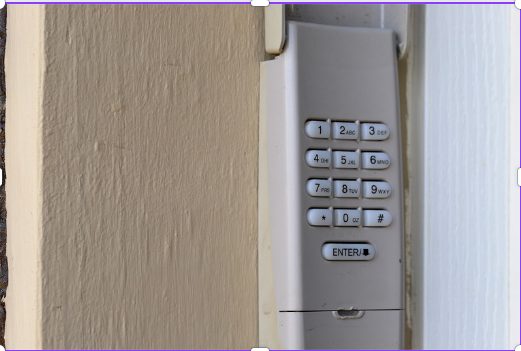
- Treating the garage door keypad code like a PIN—don’t use your birth year, and change it periodically.
Security isn’t a product you buy; it’s a system you maintain, both mechanically and behaviorally.
Wrapping It Up
Securing your garage door in Metro Atlanta isn’t about turning your home into a fortress. It’s about applying layered, practical measures that address real-world weaknesses. Start with the brain (a modern opener), harden the body (physical reinforcements), and be smart about the network (your smart home setup). Pay attention to the wear and tear our climate inflicts, and don’t hesitate to get a professional opinion on the big-ticket or high-tension items.
At the end of the day, the goal is peace of mind. Knowing that the door you use most is a reliable, secure barrier lets you focus on the things that actually matter inside your home. It’s a project worth doing right.
People Also Ask
To effectively burglar proof your garage door, start by reinforcing the weakest points. First, upgrade your opener with a rolling code system to prevent code grabbing, and always keep the emergency release cord secured with a zip tie to block access via a coat hanger. Next, install a deadbolt or slide lock on the interior track, as this physically prevents the door from being forced open. For the service door, use a heavy-duty deadbolt and a strike plate with long screws. Additionally, cover all windows with frosted film or security bars to obscure visibility. For comprehensive, step-by-step guidance on these upgrades and more, we highly recommend reading our internal article titled How To Burglar Proof Your Garage Door?. At Atlanta Garage Doors, we also suggest scheduling an annual tune-up to ensure your sensors and hardware remain in peak condition, deterring any would-be intruders.
The cost to update a garage door in the Atlanta area varies widely based on the scope. A simple refresh, such as repainting or adding new hardware, can cost between $200 and $600. However, a full replacement of the door itself typically ranges from $800 to $3,500 or more, depending on material (steel, wood, aluminum) and insulation value. Upgrading to a smart opener or adding windows will also increase the price. For a precise estimate, consider the size of your opening and your desired features. To ensure you select the correct dimensions for a new model, our internal article titled 'How Can I Know What Size Garage Door To Choose?' provides essential guidance. At Atlanta Garage Doors, we recommend getting a professional quote to accurately budget for your specific home.
Improving garage door security starts with simple habits and smart upgrades. Always keep the door closed, even when you are home, and avoid leaving the remote in a visible spot inside your car. If your opener uses a fixed code, replace it with a rolling code model so thieves cannot capture the signal. Add a manual lock or slide bolt for extra protection when you are away for long periods. Reinforce the emergency release cord by zip tying it or using a shield to prevent coat hanger break-ins. Frosted or no windows on the door also helps. For opener troubleshooting and same day fixes, see Garage Door Opener Repair In Atlanta, GA - Same Day Service ( Guide). Atlanta Garage Doors can inspect your setup and recommend the right security upgrades for your home.
For securing your garage, a multi-layered approach is the best defense. Start with a smart garage door opener that sends real-time alerts to your phone when the door opens or closes, allowing you to monitor activity remotely. Pair this with a high-definition security camera focused on the door and a motion-sensing floodlight to deter intruders. Additionally, reinforce the physical entry points by ensuring the emergency release cord is secured with a zip tie and that the track brackets are bolted to the wall. For comprehensive guidance on fortifying this entry point, our internal article How To Secure A Garage Door offers detailed strategies. At Atlanta Garage Doors, we recommend combining these electronic and physical measures to create a robust security system that protects your home and vehicles.

