
Let’s be honest, we’ve all had that moment. You’re rushing out the door, coffee in one hand, keys in the other, you hit the garage door opener… and nothing. Or worse, it makes a sound that would make a horror movie sound designer proud. Suddenly, your entire day grinds to a halt because of this giant, mechanical door we usually take for granted. We get it. We’ve seen it all in our years running Atlanta Garage Doors. So, let’s have a real chat about these unsung heroes of our homes, why they sometimes throw tantrums, and how to keep them happy.
Table of Contents
Getting to Know Your Garage Door: It’s More Than Just a Door
Think of your garage door as the hardest-working athlete in your home. It lifts hundreds of pounds multiple times a day, braves our Atlanta heat and humidity, and takes the occasional… ahem… “parking assist” bump from the car. It’s a complex system of parts working in harmony.
The Heavy Lifters: Springs and Cables
This is the heart of the operation. Those big springs on either side of the door? They hold an immense amount of tension to counterbalance the door’s weight. The cables are their trusty sidekicks, transferring that force. When a garage door cable replacement or spring repair is needed, it’s a job for the pros. We treat these parts with the respect they deserve because, IMO, they’re the most dangerous part of the system. This isn’t a DIY project, folks.
The Brain and Brawn: Opener and Tracks
Your automatic opener is the command center. It’s what gives us that magical “click-and-go” convenience. But it’s only as good as the tracks it runs on. If those tracks are even slightly out of alignment, it’s like trying to run a marathon in shoes that don’t fit. Every automatic garage door repair call we get starts with us checking the alignment and balance. It’s the first rule in our book.
When Things Go “Clunk”: Decoding Common Problems
So, what are the usual suspects when the party stops? Let’s break it down.
The Door Won’t Open or Close
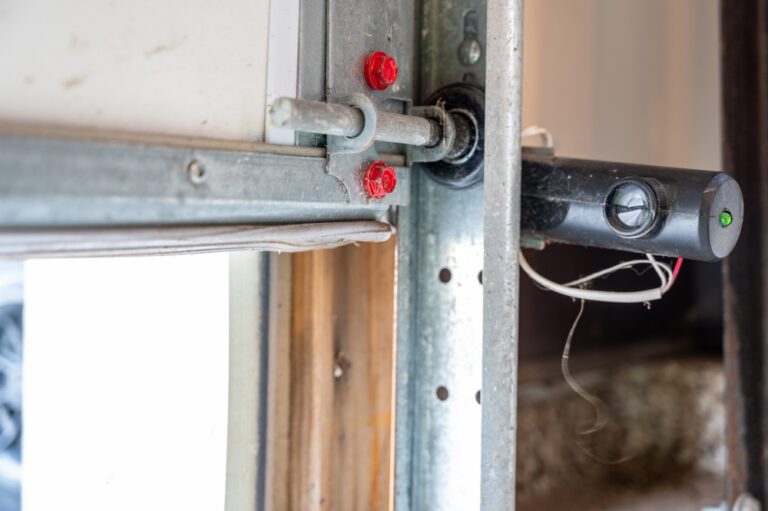
This is the classic panic moment. Before you assume the worst, check the simple stuff. Is the safety sensor beam blocked by a leaf or a toolbox? Are the tracks visibly obstructed? Sometimes, it’s just the remote battery (we’ve all been there). If the basics check out, you might be dealing with a spring failure, a snapped cable, or a opener issue. That’s when you call for garage door repair.
The Symphony of Screeches and Grinds
A noisy door isn’t just annoying; it’s telling you a story. A high-pitched squeal often means the rollers need lubrication. A grinding sound? That could be worn gears in the opener or damaged rollers. A loud bang? That’s never good—often a spring saying its final goodbye. Pro tip: regular lubrication of hinges, rollers, and springs is like a spa day for your door. It loves it.
The Door is Off Its Game (Literally)
Does your door look crooked when it closes? Does it reverse for no reason? This usually points to a track alignment issue or a spring that’s lost its tension. An unbalanced door puts massive strain on the opener and will lead to a much bigger repair bill down the line.
The Big Decision: Repair or Replace?
This is the million-dollar question (well, maybe the few-thousand-dollar question). How do you know when to stop patching it up and just start fresh?
When Repair is the Right Call
- The door is less than 10-15 years old and in good cosmetic shape.
- The issue is isolated, like a single spring break or a worn gear in the opener.
- You’re happy with the door’s style, insulation, and security.
When Replacement Makes More Sense
- The door is dented, rusting, or just looks dated (curb appeal matters!).
- You’re facing multiple repairs in a short time. That’s your door’s way of waving the white flag.
- You want better insulation, modern safety features, or a new look. A new garage door installation can seriously transform your home’s facade.
Let’s look at a quick comparison. Say you have an older, non-insulated door:
| Factor | Continuing Repairs | New Door Installation |
|---|---|---|
| Upfront Cost | Lower per incident | Higher initial investment |
| Long-Term Value | Diminishing. Money is spent on a declining asset. | Adds to home value and curb appeal. |
| Energy Efficiency | Stays poor. You’re heating and cooling the great outdoors. | Dramatic improvement. Seals tight and has proper insulation. |
| Safety & Security | Outdated tech, weaker materials. | Modern doors have stronger materials and advanced safety features. |
| Convenience | Frequent service calls. The “wait for the repair guy” shuffle. | Reliability and peace of mind for years. |
| Aesthetics | It is what it is (and it’s probably tired). | A fresh, modern look you’ll love coming home to. |
See what we mean? Sometimes, investing in a new residential garage door is just the smarter play.
Why Your Neighborhood Matters: Atlanta’s Unique Quirks
We’re not just any city, right? From the historic charm of Marietta to the bustling suburbs of Alpharetta and the tree-lined streets of Dunwoody, our homes face specific challenges. Our humidity can warp wood doors faster. Our summer heat can wear down components. And let’s not forget the occasional pollen storm that coats everything in yellow gunk, including your door’s tracks.
This is why choosing a local garage door company that knows Atlanta is crucial. When you search “garage door services near me,” you want a team that understands our climate and our communities. At Atlanta Garage Doors, we’ve been serving these neighborhoods for years. We know that a door in Dunwoody might have different common issues than one in Alpharetta, and we stock parts accordingly. It makes those emergency garage door service calls a lot faster when we already understand the context.
Don’t Forget the Big Doors: Commercial Needs
We mostly talk about homes, but let’s give a shout-out to our business owners. Commercial garage doors are a whole different beast. They’re bigger, they cycle more frequently, and a breakdown doesn’t just inconvenience a family—it can shut down operations, delay shipments, and become a security nightmare.
The principles are the same (good springs, aligned tracks, proper maintenance), but the scale and urgency are amplified. We treat our commercial clients with that understanding. A warehouse door in need of repair isn’t just a service ticket; it’s a critical path to getting their business back online, fast.
Your Action Plan: From Maintenance to “Help!”
Alright, so what do we do with all this info? Let’s make a plan.
1. Start with Prevention.
A quick monthly visual check and lubrication can prevent about 80% of the problems we see. Listen to your door. A change in sound is its way of asking for help.
2. Know When to Call.
Springs, cables, and track realignment are pro territory. If your door feels heavy to lift manually, stops unexpectedly, or looks crooked, it’s time. Don’t risk it.
3. Choose Your Partner Wisely.
Read those reviews. Ask about experience. A great company won’t just fix the symptom; they’ll diagnose the root cause. They’ll explain your options for garage door services clearly, without pressure. Hint: we like to think we fit that description 🙂
4. Consider the Long Game.
If your door is on its last leg, investing in a new one isn’t an expense; it’s an upgrade to your daily life and your home’s value. We can walk you through the best options, from sturdy steel to classic carriage-house styles.
Let’s Answer Your Burning Questions
“My door just shut and now won’t open at all! What’s the emergency protocol?”
First, stay calm. Try disconnecting the opener from the door (that red emergency release cord) and see if you can lift it manually. If it’s extremely heavy or won’t budge, STOP. A broken spring or cable is likely, and the door is unsafe. Don’t force it. That’s your cue to call for an emergency garage door service. We prioritize these calls because we know you’re potentially stuck or your home is insecure.
“How often should I really be servicing my garage door?”
We recommend a professional tune-up once a year. Think of it like an annual physical for your car. We’ll tighten hardware, check balance, test safety features, and make sure everything is aligned and lubricated. It’s the best way to avoid those surprise breakdowns.
“Is a new garage door opener worth it if my old door is still okay?”
Absolutely. Modern openers are quieter, safer, and smarter. Many connect to your phone, so you can check if you closed the door from bed (we’ve all had that 2 a.m. panic) or let in a guest remotely. Upgrading the opener can breathe new life into an older, but still solid, door.
At the end of the day, your garage door is a workhorse. It deserves a little attention and the right care from people who genuinely love this stuff. Whether you’re in Marietta needing a quick repair, in Alpharetta considering a new garage door installation, or anywhere in between facing an after-hours crisis, our team at Atlanta Garage Doors is here to be your local expert. We speak door, we understand Atlanta, and we’re just a call away when you need a hand—or when your door decides to go on strike. Let’s keep things moving smoothly
Related Articles
How To Re-engage LiftMaster Garage Door
How To Reset Garage Door Opener After Pulling Red Cord Chamberlain
How To Reengage Garage Door Remote
East Cobb’s Emergency Garage Door Fix You Can Trust
Garage Door Opener Gear Replacement
Broken Garage Door Opener Quick Fixes Cost
People Also Ask
If your garage door is jammed, begin by checking the tracks for debris or obstructions and clearing them. Inspect the rollers to ensure they are not broken or misaligned. A common cause is a snapped cable or a malfunctioning spring, which requires professional attention due to high tension. For a door that is stuck halfway, disengage the automatic opener using the emergency release cord to manually lift the door. If it still will not move, the issue may be a seized roller or a bent track. For detailed guidance on a specific type of jam, refer to our internal article titled Roll-Up Door Jammed. For safe and reliable service, always consider contacting a professional technician to avoid injury.
WD-40 is not recommended for garage door rollers because it is a solvent-based lubricant that evaporates quickly. This leaves the metal components dry and vulnerable to friction, rust, and premature wear. For long-lasting performance, you should use a silicone-based or lithium-based garage door lubricant. These products cling to surfaces, reduce noise, and protect against corrosion. For a deeper explanation on why standard household sprays can cause more harm than good, please refer to our internal article Can I Spray WD-40 On My Garage Door Rollers?. At Atlanta Garage Doors, we always advise homeowners to use the correct lubricant to keep their system operating smoothly and safely.
For a door that swells and sticks, the root cause is often excess moisture in the wood. First, identify the swollen area by closing the door and marking where it binds. You can sand down the swollen spot using medium-grit sandpaper, working in the direction of the wood grain to avoid damage. After sanding, seal the bare wood with a primer and paint or a clear sealant to block future moisture. If the problem persists, check your home's humidity levels; a dehumidifier can help. For more persistent issues, our internal article titled Why Is My Door Suddenly Getting Stuck? offers further troubleshooting. If the door frame itself is warped, professional adjustment may be needed, and Atlanta Garage Doors can assess the situation to ensure a proper, lasting fix.
If your garage door is jammed, the first step is to ensure your safety by disconnecting the opener using the emergency release cord. This allows you to operate the door manually. Check the tracks for any obstructions, debris, or dents that might be blocking the rollers. Inspect the springs and cables for any signs of damage or slack, as a broken spring is a common cause of jamming. If the door appears to be off its tracks, do not force it open, as this can cause further damage. For a comprehensive guide on handling these issues, we recommend reading our internal article titled Roll Up Door Repair. For persistent jams, contact Atlanta Garage Doors to have a technician safely diagnose and repair the problem.
If your garage door is hard to open and close, the most common cause is a lack of proper lubrication on the moving parts. You should apply a silicone-based lubricant to the rollers, hinges, and springs, but never use grease or WD-40 as these attract dirt. Another frequent issue is misaligned or rusted tracks; check for any visible bends or debris blocking the path. The door's balance could also be off, meaning the torsion springs may need adjustment. For safety, do not attempt to adjust high-tension springs yourself. For a full troubleshooting guide, please read our article How To Re-engage LiftMaster Garage Door. If the problem persists, contact Atlanta Garage Doors for a professional inspection to ensure your system operates safely and smoothly.
A garage door that starts to open and then stops is often a sign of a safety sensor issue or a problem with the travel limit settings. The safety sensors near the floor may be misaligned, dirty, or blocked, causing the system to reverse as a safety precaution. Check that both sensor lenses are clean and facing each other directly. Another common cause is incorrect travel limit adjustments on the opener unit, which tell the door when to stop. If the sensors are fine, the opener's force settings may be too low, causing it to stall. For a complete guide on resolving remote-related issues, refer to our internal article How To Reengage Garage Door Remote. If you need professional diagnosis, Atlanta Garage Doors can inspect and adjust your system for reliable operation.


