
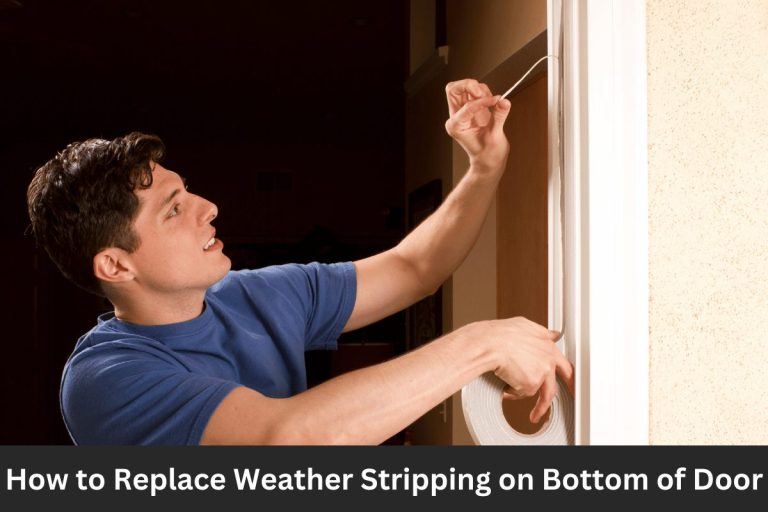
Let’s be honest, we don’t think about our garage doors until something goes wrong. That giant, moving piece of our house just hums along—or at least it should—doing its job day in and day out. But when it starts making a noise that sounds like a dinosaur in distress, or it just flat-out refuses to move, it suddenly becomes the most important thing in our world. We’ve all been there, staring at a closed garage door, late for an appointment, wondering what we did to deserve this special kind of Monday morning chaos.
As a team that’s been in the garage door business here in Atlanta for years, we’ve seen it all. From simple fixes to full-blown replacements, we understand the unique blend of panic and frustration a malfunctioning door can cause. So, let’s have a real chat about what it takes to keep your door running smoothly, when to call in the pros, and why this hunk of metal and springs is more complex—and interesting—than you might think.
The Heart of the Matter: It’s All About the Springs
If you’ve ever wondered what the real workhorse of your garage door system is, look no further than those tightly wound coils above your head. The torsion spring system is what does the heavy lifting, literally. When we hit the button on our opener, it’s not a tiny motor doing all the work; it’s the spring releasing or storing energy to counterbalance the door’s weight.
This is also, not so coincidentally, the most dangerous part of your entire garage door system. A broken spring isn’t just an inconvenience; it’s under an immense amount of tension and can cause serious injury if handled incorrectly. This is one of those times where “DIY” stands for “Don’t Involve Yourself.” Seriously, we can’t stress this enough. Garage door cable replacement and spring work is a job for trained professionals with the right tools. It’s the number one reason we get calls for emergency garage door service.
When to Repair and When to Replace: Making the Smart Choice
This is the million-dollar question, isn’t it? Do you keep patching it up, or is it time for a fresh start? From our perspective at Atlanta Garage Doors, the decision often comes down to a few key factors. Let’s break it down.
Signs You Probably Need a Repair:
- The Door is Noisy: A little squeaking is often just a sign that the rollers need lubrication. A loud grinding or popping sound? That’s a red flag for something more serious, like spring or opener issues.
- It Moves Unevenly: If one side is lagging behind the other, it’s often an issue with the tracks or cables. This is a common fix for our automatic garage door repair team.
- It Reverses Before Hitting the Floor: This is usually a safety sensor issue. Maybe they’re misaligned, or a cobweb is blocking the beam. It’s a simple fix but a crucial one for safety.
Signs It Might Be Time for a New Installation:
- Your Door is Visibly Damaged: A major dent from an, ahem, parking miscalculation can compromise the door’s structural integrity.
- It’s Older Than Your Favorite Vintage Band T-Shirt: Older doors are inefficient, heavy, and lack modern safety features. Upgrading can seriously improve your home’s curb appeal and energy bills.
- Repairs Are Becoming a Monthly Subscription Service: If you’re constantly calling for garage door repair, you’re probably throwing good money after bad. A new garage door installation is an investment that pays off in reliability and peace of mind.
Here’s a quick table to help you visualize the pros and cons:
| Scenario | Likely Solution | Our Professional Take |
|---|---|---|
| Single, loud snap and door won’t open | Spring or Cable Replacement | This is a job for pros. The high tension makes it extremely dangerous for homeowners. |
| Door opens a few inches, then stops | Opener Gear/Sprocket Repair | A common issue with older openers. Often repairable, but sometimes replacement is more cost-effective. |
| Significant dent or visible gap | Door Section or Full Door Replacement | A compromised door is a security risk. We can often replace just a section, but severe damage warrants a full new door. |
| Constantly reversing for no reason | Safety Sensor Realignment or Repair | Usually a quick and easy fix. Don’t just disable the sensors—that’s a major safety hazard! |
Residential vs. Commercial: It’s a Different World
We sometimes get asked if there’s really a difference between the doors we put on homes and the ones we install for businesses. The answer is a resounding yes! While both need to be safe and reliable, their jobs are completely different.
Our residential garage doors are all about aesthetics, security, and quiet operation. We’re thinking about curb appeal, insulation, and how it integrates with your home’s style. In neighborhoods from Alpharetta to Marietta, we see a huge range of beautiful designs.
On the flip side, commercial garage doors are built for brute strength and constant use. Think about the loading dock door at your local warehouse—it’s going up and down dozens of times a day. It needs to be durable, often larger, and designed for high-cycle operation. The garage door services we provide for our business clients focus on minimizing downtime and maximizing security, because every minute a bay is closed is lost revenue.
Why the “Near Me” Search is Your Best Friend (And What to Look For)
We get it. When your door is broken, you’re going to grab your phone and search “garage door company near me.” That’s exactly what you should do! But how do you choose from the list of options? IMO, it comes down to three things: transparency, local presence, and reputation.
First, look for a company that is upfront about pricing. No one likes surprise fees. Second, a local company based right here in Atlanta is going to understand the specific challenges our climate and housing styles present better than a national call center. Humidity can affect wooden doors, and our summer heat can wear out components faster.
And finally, always, always check the reviews. What are other people in Dunwoody or Sandy Springs saying? Look for patterns. Do they praise the technicians’ punctuality and professionalism? Are they mentioned by name? That’s a great sign of a company that empowers its team and cares about customer service. When you read our reviews, you’ll see we’re pretty proud of the relationships we’ve built across the metro area.
Your Top Garage Door Questions, Answered
We hear a lot of the same great questions from homeowners. Here are a few of the most common ones.
1. How often should I service my garage door?
We recommend a professional tune-up at least once a year. Think of it like an oil change for your car. It helps catch small issues—like a worn roller or a slightly misaligned track—before they turn into a full-blown breakdown that requires an emergency garage door service call. A little preventative maintenance goes a long way.
2. Can I paint my garage door?
Absolutely! It’s a fantastic way to freshen up your home’s exterior. Just make sure you use an exterior-grade paint that’s formulated for the material of your door (steel, wood, etc.). And pro-tip: avoid painting the seals and weather-stripping, as it can make them brittle.
3. Why is my garage door so loud all of a sudden?
If it’s a new development, the usual suspects are dry rollers, loose hardware, or a spring system that’s on its last leg. A loud grinding noise typically points to the opener itself. Most of these issues are simple fixes for a professional. FYI, modern belt-drive openers are notoriously quiet—if noise is a big concern for you, it might be worth an upgrade during your next garage door installation.
Wrapping It Up: Your Door Deserves the Best
At the end of the day, your garage door is a major mechanical system and the largest moving object in your home. It deserves a little respect and a lot of care. Whether you’re dealing with a frustrating repair, planning a stylish new installation, or just want to keep everything running smoothly, having a trusted local partner makes all the difference.
We built Atlanta Garage Doors because we believe you deserve honest, reliable service from people who actually show up on time and know what they’re doing. So the next time you hear that strange noise or your door just gives up, you know who to call. We’re here to help keep your life—and your garage—running smoothly.
Related Articles
People Also Ask
To weatherproof your garage door, start by installing a high-quality bottom seal to block drafts, water, and pests. Ensure the weatherstripping on the sides and top of the door frame is intact and pliable, replacing any cracked or brittle sections. For wooden doors, apply a fresh coat of exterior-grade sealant or paint to protect against moisture. Insulating the door panels with foam board or batt insulation will also improve energy efficiency and temperature control. Regularly lubricate all moving parts with a silicone-based lubricant to prevent corrosion from humidity. For a deeper understanding of how local weather affects your door, we recommend reading our internal article, Common Garage Door Issues Caused By Climate (And How To Avoid Them).
The wind speed a garage door can withstand depends heavily on its design, materials, and installation. Standard residential garage doors are typically rated for basic wind loads, but in storm-prone areas like Atlanta, they may not be sufficient. For high-wind regions, doors are rated by a Wind Load Rating, often expressed in pounds per square foot (psf), which correlates to specific wind speeds. A door designed for Wind Zone 2 or 3, for example, can often withstand gusts associated with severe thunderstorms or lower-category hurricanes. Proper installation with reinforced tracks and heavy-duty hardware is critical to achieving any rated performance. For comprehensive guidance on protecting this vulnerable part of your home, we recommend reviewing our detailed resource, Hurricane Preparedness: Securing Your Garage Door In Atlanta.
Placing a zip tie on your garage door is a simple, low-cost security trick. The idea is to thread a heavy-duty zip tie through the emergency release cord's release mechanism. If an intruder uses a coat hanger to try and trip the release from the outside, the zip tie will prevent the mechanism from fully disengaging, keeping the door locked to the opener. This adds a crucial layer of defense against a common break-in method. For comprehensive security, this should be part of a broader strategy that includes strong locks, motion-sensor lighting, and regular maintenance. You can find a full guide on securing your home in our internal article, How To Burglar Proof A Garage Door?.
Yes, weather significantly affects garage door performance and longevity. In Atlanta, high humidity can cause wooden doors to warp and metal components to rust, while extreme summer heat can degrade rubber weather seals and cause expansion in metal tracks, leading to misalignment. Winter cold can make metal and plastic parts brittle and cause lubricants to thicken, increasing strain on the opener. Seasonal temperature swings also impact the tension of torsion springs. For a detailed look at a specific local issue, see our internal article How Atlanta’s Pollen Season Affects Garage Door Functionality, which explains how seasonal conditions unique to our area can impact operation. Regular seasonal maintenance, including cleaning tracks, lubricating moving parts, and inspecting seals, is crucial for reliable year-round function.
A garage door rain deflector, also known as a rain diverter or threshold seal, is a crucial component for protecting your garage interior from water damage. It is typically a flexible rubber or vinyl strip installed along the floor at the base of the garage door. When the door closes, it presses against this seal, creating a watertight barrier that prevents rain, melting snow, and debris from seeping underneath. Proper installation is key for effectiveness; the floor must be clean and level. This simple addition helps prevent costly issues like flooded floors, mold growth, and damage to stored items, making it a highly recommended upgrade for any garage, especially in areas with heavy rainfall.
Installing a DIY garage door water barrier is a practical project to protect your garage interior from rain, flooding, and moisture. The most common and effective method is to install a threshold seal or a garage door bottom seal kit. This involves cleaning the concrete floor thoroughly, measuring and cutting the durable rubber or vinyl seal to width, and adhering it directly to the floor in front of the door using the provided heavy-duty adhesive. Ensure the door closes snugly onto the seal to create a watertight compression fit. For comprehensive protection in damp climates, this should be part of a broader strategy that includes proper drainage and maintenance, as detailed in our internal article Preventing Rust On Garage Doors In High Humidity Areas. Regular inspection of the seal for wear is crucial for long-term effectiveness.