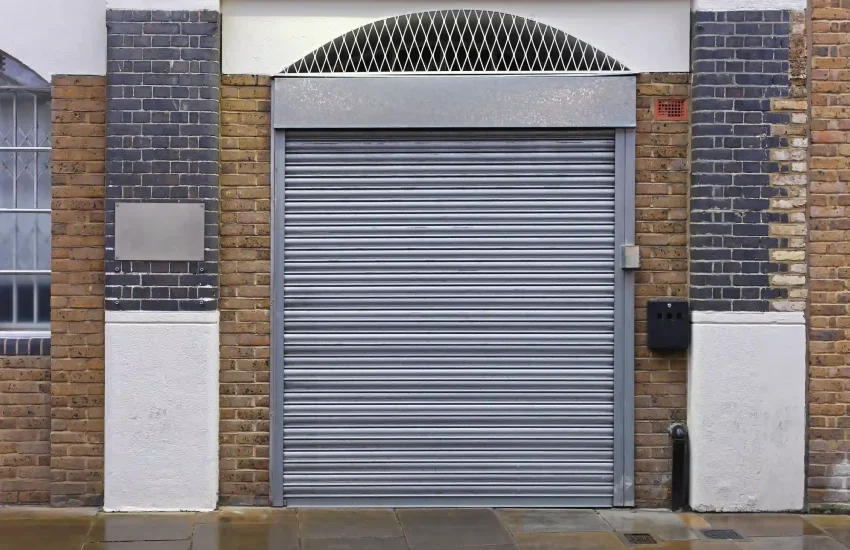
Roll-Up Door Locking Mechanisms: The Unsung Heroes of Your Garage
Let’s be real—garage doors don’t exactly scream “exciting.” But hey, neither does a good lock… until you need one. Whether you’re a DIY warrior or someone who’d rather call in the pros (no judgment here), understanding roll-up door locking mechanisms is way more important than you might think. After all, these bad guys keep your tools, cars, and that questionable collection of holiday decorations safe. At Atlanta Garage Doors, we’ve seen it all—from broken garage doors in Sandy Springs to automatic garage doors in Alpharetta that just won’t behave. So, let’s geek out over locks together.
Table of Contents
Why Bother With Roll-Up Door Locks? (Spoiler: It’s Not Just About Thieves)
Picture this: It’s 2 a.m., and your garage door decides to stage a rebellion. Maybe the wind in Dunwoody got a little too enthusiastic, or the kids “tested” the opener one too many times. Suddenly, your garage is basically a free-for-all. That’s where a solid locking mechanism swoops in like a superhero.
Here’s the deal:
- Security: A good lock keeps out curious critters, opportunistic thieves, and that one neighbor who always “borrows” your ladder.
- Safety: Locks prevent doors from slamming shut during storms or, worse, squashing your bike.
- Peace of Mind: Knowing your garage door won’t randomly roll up or down? Priceless.
FYI, if you’re staring at a broken garage door right now, just call Atlanta Garage Doors. We’ve got local garage door repairmen who’ll fix it faster than you can say “Marietta monsoon.”
The Nitty-Gritty: Types of Roll-Up Door Locks
Not all locks are created equal. Some are like Fort Knox; others? More like a screen door on a submarine. Let’s break down the most common types we install (and why we swear by a few).
1. Manual T-Handle Locks
Ah, the classic. Simple, reliable, and no-nonsense. You’ve probably seen these on older doors—they look like a giant T-shaped key. Twist it, and the door locks into the track.
Why we love ’em:
- No electronics = fewer things to break.
- Perfect for folks who prefer a “set it and forget it” approach.
But…
- Requires you to manually lock/unlock every time. (RIP convenience.)
- Not ideal for automatic garage doors.
2. Slide Locks (aka “The Budget Hero”)
These slide horizontally into the track to hold the door in place. Cheap? Yes. Effective? Depends on your definition of “effective.”
Our take:
- Great for temporary fixes or sheds.
- Not exactly thief-proof. (Let’s just say a determined raccoon could probably outsmart one.)
3. Electric Locks
Fancy, right? These integrate with your garage door opener repair system, locking automatically when the door closes.
Why they’re awesome:
- Hands-free security.
- Works seamlessly with automatic garage doors.
The catch:
- Needs professional garage door installation. (Hint: We’re really good at this.)
- Power outages = temporarily useless.
“Help! My Lock’s Broken”—When to Call a Garage Door Technician
Look, we get it. You’ve watched a YouTube tutorial and now feel invincible. But some jobs are better left to garage door specialists. Here’s when to throw in the towel and call Atlanta Garage Doors:
- The door won’t budge: If brute force isn’t working, stop before you turn a stuck lock into a broken garage door.
- Strange noises: Grinding, screeching, or clunking? Your lock’s crying for help.
- Visible damage: Bent tracks, snapped bolts—don’t play hero.
Pro tip: Regular garage door maintenance can prevent 90% of these issues. We offer garage door servicing plans that’ll keep your door smoother than a jazz playlist.
Lock Maintenance 101: Don’t Skip This (Seriously)
Think of your lock like a pet. Neglect it, and it’ll act out. Here’s how to keep it happy:
Monthly Checklist:
- Lubricate moving parts: A little WD-40 goes a long way.
- Check alignment: Misaligned tracks stress the lock.
- Test manually: Disconnect the opener and lift the door by hand. Smooth? Good. Jerky? Call us.
Yearly TLC:
- Tighten bolts and screws.
- Inspect for rust (especially in humid Atlanta summers).
The Great Debate: DIY vs. Professional Garage Door Service
Sure, you could install a lock yourself. But let’s be honest—how many “quick fixes” have ended with you Googling “best garage door company near me”?
Why hiring a garage door opener installer pays off:
- Safety: Springs under tension are literal death traps.
- Warranty: Our work comes with one. Your YouTube tutorial doesn’t.
- Time: What takes you 4 hours takes us 20 minutes.
Still tempted? Ask yourself: “Do I own a torque wrench?” If not, maybe leave it to the local garage door repairman.
Roll-Up Lock FAQs: Because We Know You’re Curious
Q: Can I retrofit an old door with an electric lock?
A: Usually, yes! We’ve upgraded plenty of vintage doors in Sandy Springs and Dunwoody. Just schedule a consultation.
Q: How much does garage door repair near me cost?
A: Depends on the issue. Simple fixes start around $150; full replacements go up from there. We offer free estimates—no shady surprises.
Q: Why does my lock freeze in winter?
A: Moisture + cold = ice in the mechanism. Try a silicone-based lubricant (not WD-40!) to prevent it.
Q: Are smart locks worth the hype?
A: IMO, yes—if you love controlling your door via phone. Just pair it with a camera, and you’ve got a Fort Knox setup.
Final Thoughts: Keep Calm and Call Atlanta Garage Doors
Roll-up door locks might not be glamorous, but they’re the silent guardians of your garage. Whether you need garage door installation in Marietta, emergency repairs in Alpharetta, or just some friendly advice, we’ve got your back.
Remember: A little maintenance today saves a lot of headaches tomorrow. And if you’re ever in over your head? We’re just a call away. After all, even Batman needs Robin sometimes. 😉
Need a garage door specialist? Atlanta Garage Doors serves Sandy Springs, Dunwoody, Marietta, Alpharetta, and beyond. Contact us today—we’ll keep your door (and locks) in superhero shape.
Related Articles
Roll Up Door Repair
Residential Garage Door Installation Diagram
Best Garage Door Repair Company in Atlanta: Why Atlanta Garage Doors Wins
Roll-Up Doors Services
People Also Ask
The primary parts of a door locking mechanism include the cylinder, which is the keyed component that turns the lock; the latch bolt, a spring-loaded piece that retracts into the door; and the deadbolt, a solid metal bar that provides extra security. Inside the mechanism, you will find the strike plate, mounted on the door frame to receive the latch or bolt, and the key pins and driver pins inside the cylinder that align with the key cuts. The faceplate covers the edge of the door where the latch and deadbolt protrude. For a secure and reliable system, Atlanta Garage Doors recommends inspecting these components regularly for wear, as a failing spring or misaligned strike plate can compromise your home's safety.
To secure a roll up door, you can install a slide bolt lock, a padlock hasp, or a keyed locking handle. First, ensure the door is fully closed. For a slide bolt, mount the bracket to the door track or frame and slide the bolt into a pre-drilled hole in the door panel. A padlock hasp is often attached to the bottom of the door and the floor. For a keyed handle, replace the existing pull handle with a locking version that engages the door's internal latch. Always use corrosion-resistant hardware for durability. For more specific guidance on lubricating moving parts before installation, our internal article titled Can You Spray WD-40 On Garage Door Rollers? provides helpful maintenance tips. Atlanta Garage Doors recommends consulting a professional for complex locking systems to ensure security.
There are several types of lock mechanisms commonly used on garage doors. The most basic is a T-handle lock, which uses a key to turn a metal rod that slides a bolt into the door track. A slide lock is a manual latch that you push or pull horizontally to secure the door. For higher security, many homeowners choose a deadbolt-style lock that mounts on the inside of the door and requires a key from the outside. Electronic keypad locks offer keyless entry, allowing you to enter a code to disengage the lock. For maximum protection, consider a smart lock that integrates with your garage door opener. Atlanta Garage Doors recommends selecting a lock that matches your security needs and door type for reliable performance.
The seven common types of locks used on garage doors and entry points include the deadbolt, which provides strong resistance against forced entry by using a solid metal bolt. A padlock is portable and used for securing gates or lockers. A knob lock has a lock mechanism inside the handle, but it is less secure. A lever handle lock is often used on interior doors and is easier to operate. A mortise lock is fitted into a pocket cut into the door edge for high security. A smart lock allows keyless entry via a smartphone or code. Finally, a cam lock uses a rotating cam to secure cabinets or mailboxes. For expert advice on choosing the right lock for your garage, Atlanta Garage Doors can help assess your security needs.
A garage roll up door locking mechanism is designed to secure the door from unauthorized entry. Common types include slide locks, which engage with the track, and keyed T-handle locks that operate a central locking bar. For optimal security, ensure the locking bar slides fully into the track brackets on both sides. If your door uses a spring-loaded latch, verify it engages correctly when the door is fully closed. Regular lubrication of the lock cylinder and moving parts with a silicone-based spray prevents sticking. For a comprehensive overview of common issues and solutions, please refer to our internal article Roll Up Door Repair. If you experience a malfunction, professional inspection is recommended to avoid compromising the door's security.
For issues with an Acero roll up door lock, the most common problems involve misalignment, broken springs, or jammed locking bars. General industry advice is to first check that the door is fully closed before attempting to engage the lock, as tension can prevent proper alignment. If the lock is stuck, do not force it, as this can damage the internal mechanism. Lubricating the lock cylinder and latch points with a silicone-based spray can often resolve minor sticking. For more complex repairs, such as a broken lock bar or a seized cylinder, professional service is recommended. Our internal article titled Roll Up Door Repair provides detailed guidance on these components. For reliable service in the Atlanta area, Atlanta Garage Doors can assess the lock and door system to ensure safe and secure operation.