
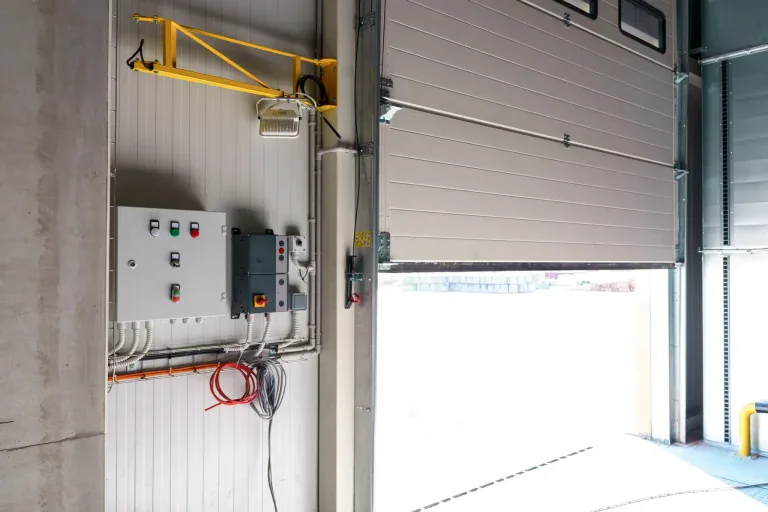
In East Cobb and throughout the greater Atlanta metro area, the garage door is often the most frequently used entrance to the home. It withstands extreme humidity, seasonal pollen saturation, and temperature swings that can degrade components far faster than in drier climates. Understanding the operational lifecycle of this system is not merely a matter of convenience; it is a critical investment in home security, energy efficiency, and property valuation.
This guide moves beyond generic maintenance advice. It provides a granular, technical analysis of garage door longevity based on material science, mechanical engineering principles, and hyperlocal climate data specific to Georgia. By applying the methodologies outlined below, homeowners can expect to extend the functional service life of their door systems by 30-50% compared to neglected systems.
Table of Contents
Understanding Component-Specific Lifecycles
A garage door is not a monolithic entity with a single expiration date. It is an assembly of discrete components, each governed by distinct wear patterns and fatigue thresholds. Treating the system holistically requires understanding where the weakest links reside.
The Torsion Assembly: Spring Metallurgy and Fatigue Cycles
The torsion spring is the primary counterbalance mechanism. Residential springs are rated for a specific number of cycles—typically 10,000, 15,000, or 20,000 cycles—where one cycle equals one full open and close operation. In East Cobb households with multiple drivers, a door may cycle 4-6 times daily, equating to roughly 1,800 cycles per year. A standard 10,000-cycle spring will statistically fail between years 5 and 7.
-
High-Cycle Upgrade: For longevity, conversion to high-cycle springs (rated for 30,000+ cycles) is the single most effective upgrade. These springs utilize larger wire diameter and increased length to reduce stress per square inch, effectively eliminating spring failure as a mid-term maintenance concern.
-
Lubrication Protocol: Unlike rollers, springs require lubrication not to reduce friction internally, but to prevent surface oxidation (rust) which creates micro-pitting. These pits become stress risers that accelerate metal fatigue. In East Cobb’s humid summer environment, a biannual application of silicone-based lubricant directly to the spring coil surface is non-negotiable.
Track Alignment and Thermal Expansion
Aluminum and steel tracks in unconditioned garages are subject to thermal expansion. During Georgia summers, a 7-foot steel track can elongate by approximately 1/16th of an inch. While minimal, this expansion exacerbates wear on nylon rollers if the track is not perfectly plumb. The most common longevity thief is not broken parts, but gradual, imperceptible binding that forces the operator motor to work against increasing resistance.
The Operator Drive System
Modern garage door openers utilize either a DC motor with a belt drive or an AC motor with a chain drive. For longevity in the attached garages common in East Cobb neighborhoods (Indian Hills, East Lake, Wheeler), the DC belt drive is superior for two reasons: First, the soft-start/stop functionality reduces jolt stress on the door’s top section stile. Second, DC motors are less susceptible to voltage drops common during peak summer air conditioning loads.
Material Performance in the East Cobb Climate
The choice of door material directly dictates the maintenance frequency and lifespan.
| Door Material | Projected Lifespan in GA Climate | Primary Failure Mode in East Cobb | Longevity Optimization Strategy |
|---|---|---|---|
| Single-Layer Steel (25ga) | 10-15 years | Bottom panel rust-out due to ground moisture wicking and lack of thermal break. | Install a PVC bottom retainer with bulb seal; apply automotive-grade cavity wax inside the bottom stile annually. |
| Insulated Steel Sandwich (2″ Intellicore) | 25-35 years | Delamination of the steel skin from the polyurethane core due to extreme attic heat soak. | Ensure garage ventilation (soffit vents unobstructed). Select doors with thermal breaks to separate interior/exterior skins. |
| Fiberglass (Polyester Resin) | 20-25 years | UV degradation causing yellowing and fiber blooming on western-facing exposures. | Strict biannual application of marine-grade UV protectant sealant with SPF properties. |
| Solid Wood (Cedar/Hemlock) | 30+ years (with intensive care) | Fungal rot in bottom stiles and panel joints due to high ambient humidity and lack of airflow. | This material is not recommended for East Cobb without a covered porch protecting the door face. Requires yearly sanding and re-sealing of all six edges of every panel. |
| Vinyl (PVC Extrusion) | 20-30 years | Brittleness leading to stile fracture upon impact. | Excellent for coastal-influenced humidity but less impact-resistant than steel. Ideal for homes near lake areas. |
A Comprehensive Maintenance Matrix for Maximum System Lifespan
The following table provides a prescriptive maintenance schedule designed specifically to address the failure points accelerated by the East Cobb environment (pollen, humidity, and daily thermal cycling). This is not a suggestion; it is a requirement for achieving the upper bounds of component lifespan.
| System Component | East Cobb-Specific Concern | Required Action | Frequency | DIY Difficulty & Safety Warning |
|---|---|---|---|---|
| Torsion Springs | Surface rust from humidity leading to premature fracture. | Apply White Lithium Grease (spray) or Garage Door Pro Lube to the coil faces. Avoid WD-40. | Every 6 months | High Risk. Do not touch winding cones. Spray from a distance. |
| Steel Track (Vertical & Horizontal) | Pollen accumulation mixing with humidity to form abrasive paste. | Wipe clean with dry microfiber. Do NOT lubricate tracks. Lubrication causes roller slippage. | Monthly during pollen season (Mar-May) | Low. Keep fingers clear of pinch points at radius. |
| Nylon Rollers (Sealed Bearings) | Bearing grease degradation due to heat cycling. | Check for lateral play (wobble) and listen for grinding. Replace if worn. | Annually | Medium. Requires opening track to remove bottom bracket bolt. Do NOT remove bottom bracket cable. |
| Lift Cables | Fraying at the drum caused by door imbalance or rust. | Visual inspection for “fishhooks” (broken wire strands). | Quarterly | High Risk. Never touch a cable under tension. Visual only. |
| Weather Seal (Bottom) | Flattening and hardening due to concrete heat retention. | Replace if door fails the “dollar bill test” (bill pulls out easily). | Every 2-3 years | Low. Slide out old seal, slide in new. |
| Photo Eye Sensors | False obstruction signals due to spider webs/leaf litter on lens. | Wipe lens with dry cloth; ensure brackets are tight (vibration from door operation). | Monthly | Low. |
| Hinges & Stile Plates | Dry squeaking indicating metal-on-metal friction at the rivet. | One drop of 30W motor oil or Tri-Flow on the hinge pin pivot point. | Annually | Low. Do not over-lubricate to avoid dripping on car roof. |
| Opener Logic Board | Power surge damage during summer thunderstorms. | Ensure opener is plugged into a Type 3 Surge Suppressor outlet. | Once / Permanent Setup | Low. |
Decision Matrix: Economic Repair vs. Capital Replacement
For East Cobb homeowners, the decision to repair or replace often hinges on the age of the home. Many homes built in the 1990s and early 2000s are entering the second or third lifecycle of their garage door system. A reactive, break-fix approach is the least cost-effective strategy over a 10-year window.
When Component Repair is Optimal
If the door is less than 12 years old and of insulated construction, targeted component upgrades yield the highest ROI. This includes:
-
Operator Swap: Replacing a 20-year-old AC chain drive with a DC belt drive and a solid-state logic board.
-
Spring Upgrade: Replacing broken standard springs with high-cycle torsion springs.
-
Roller Conversion: Upgrading from steel rollers (no bearings) to premium nylon rollers (11-ball bearing sealed).
When Full System Replacement is Economically Prudent
-
Panel Fatigue: Cracks radiating from hinge attachment points on the top section. This is structural failure common in doors operated with broken springs for extended periods.
-
R-Value Deficiency: East Cobb homes with bedrooms above the garage experience significant HVAC loss through uninsulated or single-layer doors. The energy savings from upgrading to an R-18 insulated door often subsidize 15-20% of the replacement cost over the door’s life.
-
Safety Non-Compliance: Doors manufactured before 1993 lack mandatory federal auto-reverse entrapment protection. While you can add external sensors, the mechanical force threshold of older openers remains dangerously high.
Advanced Longevity Tactics for the East Cobb Homeowner
1. The Garage Door Balance Calibration
Springs weaken gradually. A door that is “heavy” by even 5 pounds forces the opener to act as a lifting device rather than a guidance device. To test balance: Disconnect the opener in manual mode. Lift the door to waist height. It should stay in place, neither rising nor falling significantly. If it drops, the spring tension is low, and the opener motor is being overworked, drastically shortening its gear life.
2. Garage Microclimate Management
Garages in East Cobb often trap a pocket of 110F+ air in summer afternoons. This heat bakes the insulation out of the opener motor windings and accelerates capacitor failure. Installing a simple, thermostatically controlled exhaust fan in the gable wall can reduce peak internal temps by 15-20 degrees Fahrenheit, directly increasing electronic component longevity.
3. Vibration Dampening
Nuts and bolts holding the track brackets to the framing loosen over time due to micro-vibrations. The resulting movement creates “track chatter” and uneven wear on the cable drums. An annual pass with a 7/16″ socket wrench to tighten all lag bolts securing the track to the jamb is a 10-minute task that prevents years of wear.
4. V-Belt Upgrade for Noise and Wear Reduction
If the door is adjacent to a living space or nursery, the vibration of a chain drive translates through the ceiling joists. A Kevlar-reinforced belt drive eliminates metal-on-metal contact, reducing stress on the opener’s sprocket bushing and extending motor life significantly.
Frequently Addressed Technical Concerns
How does East Cobb’s red clay soil impact garage door hardware?
The high iron content in Georgia red clay creates a fine, abrasive dust. When this dust settles on garage door tracks and mixes with humidity, it forms a grinding compound that accelerates roller wear. It is recommended to hose down the driveway approach weekly during dry spells to minimize dust migration into the garage. Additionally, ensure the bottom weather seal is intact to prevent clay splash-back from rain.
What is the most overlooked safety hazard regarding longevity?
The failure to replace rusty bottom brackets. The lift cable attaches to this bracket. In East Cobb humidity, the bracket can corrode where it is hidden behind the panel. If the bracket fails, the cable recoils instantly, releasing the spring tension unpredictably. During any maintenance, inspect the bottom bracket hardware for orange rust blooms.
Can I extend the life of a wood door in a humid climate without painting it every year?
Yes, but it requires a specific product. Do not use film-forming paints (latex or oil) on the edges or bottom of a wood door. They trap moisture. Instead, apply a penetrating epoxy wood consolidant to the bottom 6 inches of the stiles and bottom rail. This seals the end grain and prevents wicking. This is a professional-grade solution not found in typical hardware stores.
How do I know if my door is properly reinforced for wind load?
East Cobb occasionally experiences straight-line winds from severe thunderstorms. Doors over 8 feet wide should have a strut (a U-shaped steel reinforcement bar) mounted horizontally across the top section and optionally one in the middle. Without a strut, wind pressure bows the panel, cracking the stile welds and causing permanent misalignment.
Summary: The East Cobb Garage Door Longevity Standard
Achieving a 25+ year service life from a garage door system in East Cobb is an attainable goal, but it requires a shift from reactive emergency service to proactive component management. The data presented here underscores that environmental factors unique to our region—specifically humidity, pollen abrasion, and thermal cycling—necessitate a more rigorous maintenance cadence than national averages suggest.
By implementing the biannual lubrication protocol, converting to high-cycle spring assemblies upon failure, and managing the garage’s internal thermal load, homeowners can eliminate approximately 80% of common mid-lifecycle failures. The result is not merely a quieter door, but a significantly lower total cost of ownership and enhanced protection for the assets stored within the garage.
Related Articles
People Also Ask
The average life expectancy of a garage door system is 15 to 30 years, though this varies significantly based on material, usage, and maintenance. Steel doors typically last 20 to 30 years, while wooden doors may need replacement after 15 years due to rot and weather exposure. The garage door opener usually wears out faster, with a lifespan of 10 to 15 years. Routine maintenance, such as lubricating moving parts and checking springs, can extend your door's life. If your door is showing signs of age like sagging or frequent breakdowns, it may be time for a replacement. For more details on when to upgrade, refer to our internal article Garage Door Replacement. For professional guidance, Atlanta Garage Doors can help assess your current system.
No, you should not spray WD-40 on garage door springs. WD-40 is a solvent and light lubricant designed for displacing moisture and loosening rust, not for long-term lubrication of heavy-duty springs. Garage door springs require a specialized, high-viscosity lubricant, such as a silicone-based or lithium grease spray, to reduce friction and prevent wear. Using WD-40 can actually strip away the existing protective coating, leading to premature rust and spring failure. For proper maintenance, always use a product specifically formulated for garage door components. If your springs are already damaged or making noise, refer to our internal article titled Garage Door Spring Broken On One Side for detailed guidance. For professional service in the Atlanta area, Atlanta Garage Doors recommends scheduling an annual inspection to ensure your springs operate safely and smoothly.
The most significant new trend in garage doors is the shift toward modern, minimalist designs that prioritize clean lines and smart technology. Homeowners are moving away from traditional raised-panel styles in favor of flush, contemporary doors with large expanses of glass. Materials like black anodized aluminum and natural cedar are popular for creating a striking curb appeal. For a deeper look at what is shaping the industry this year, we recommend reviewing our internal article titled Top 2025 Garage Door Trends For Modern Homes. Atlanta Garage Doors has seen a sharp increase in requests for fully insulated doors with integrated LED lighting and Wi-Fi connectivity, allowing you to monitor and operate your door from your smartphone.
For a 20 year old garage door opener, replacement is almost always the better choice. Modern openers include safety sensors, rolling code technology, and battery backups, which older models lack. Repairing a unit this old often costs 50-70% of a new opener's price, and parts become hard to find. A new opener also provides better security and quieter operation. If your opener is failing, consider upgrading rather than repairing. For immediate troubleshooting, our article Broken Garage Door Opener Quick Fixes Cost offers helpful guidance. Atlanta Garage Doors recommends investing in a new opener for long-term reliability and safety.

