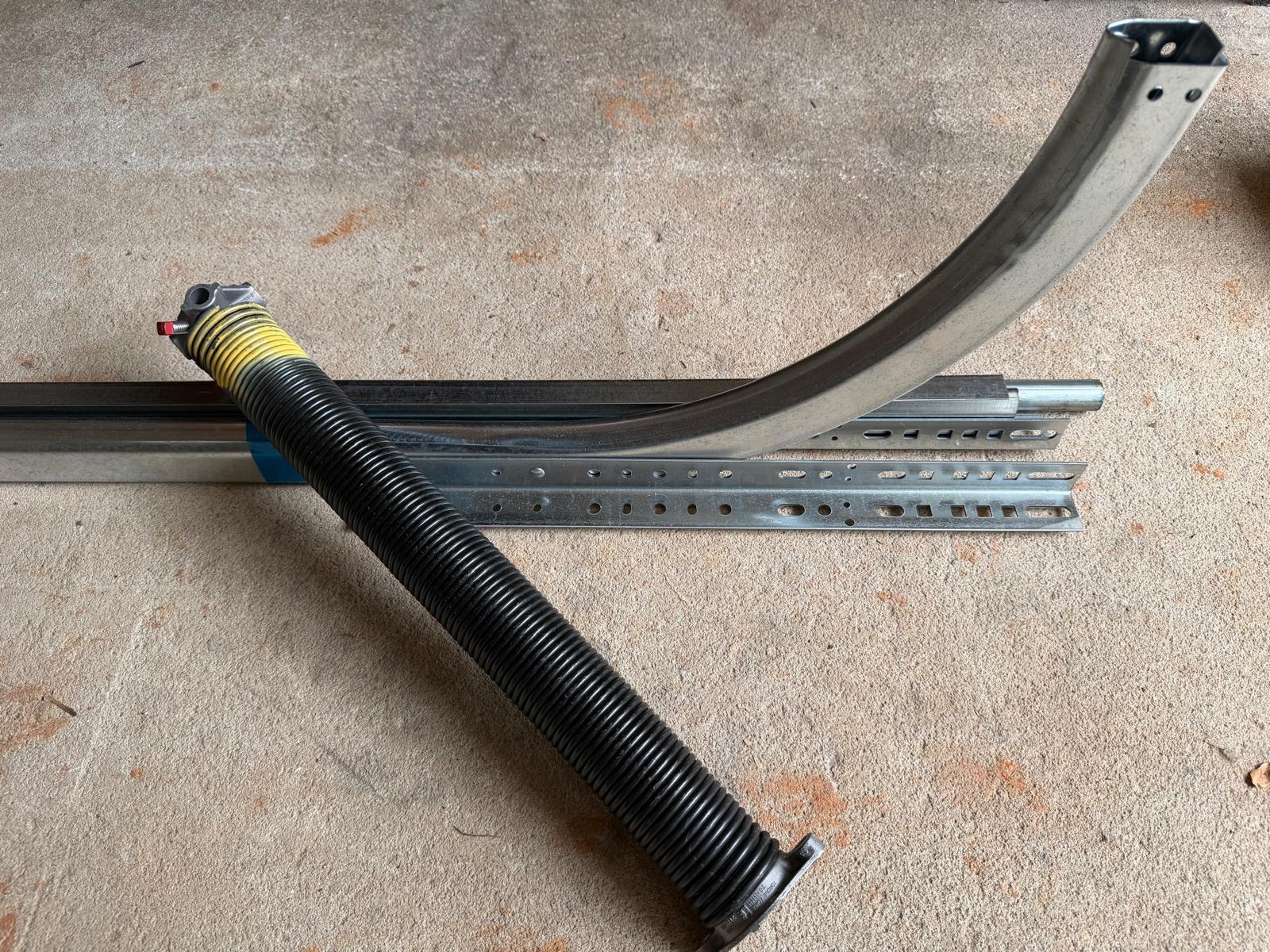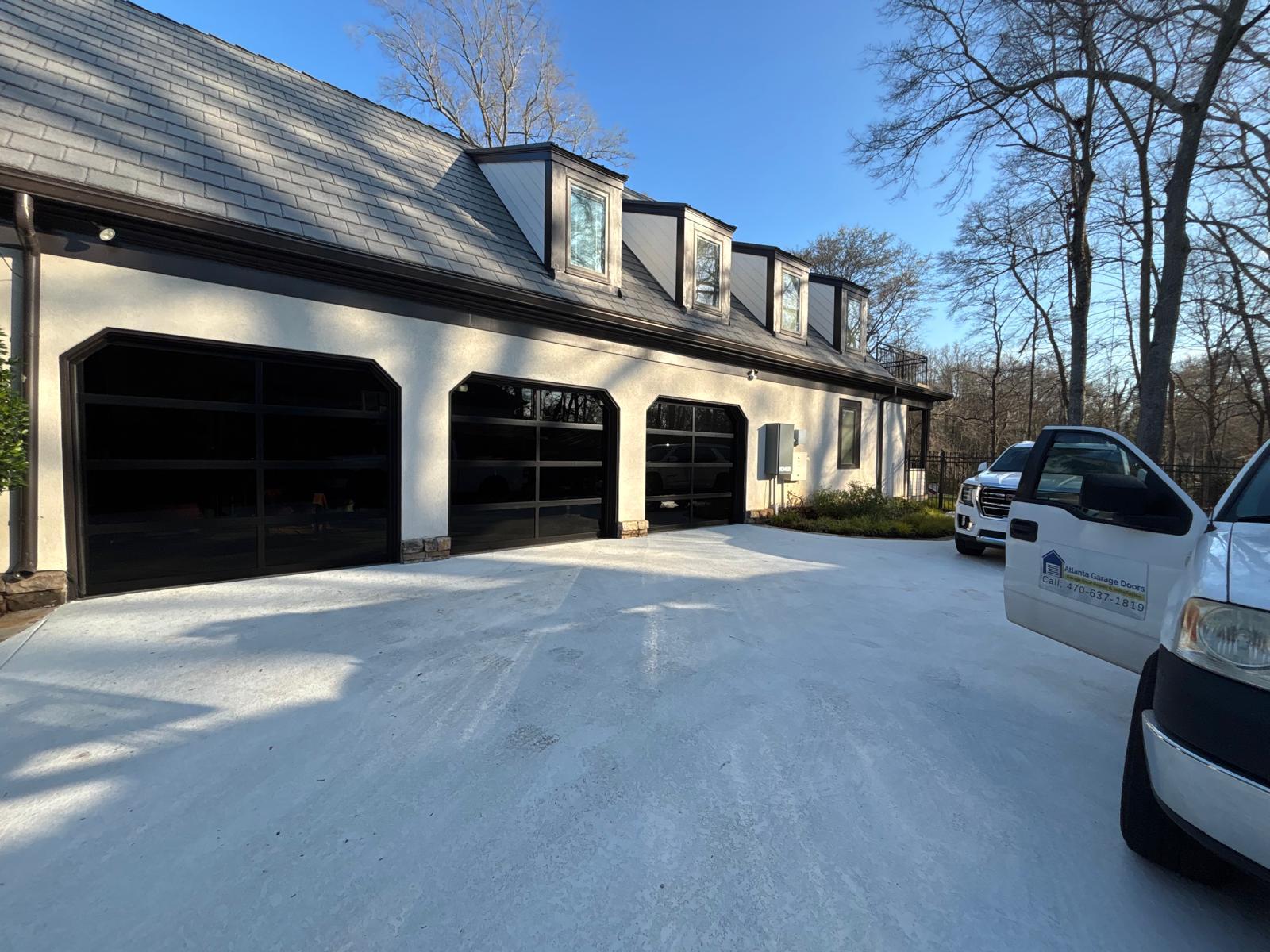
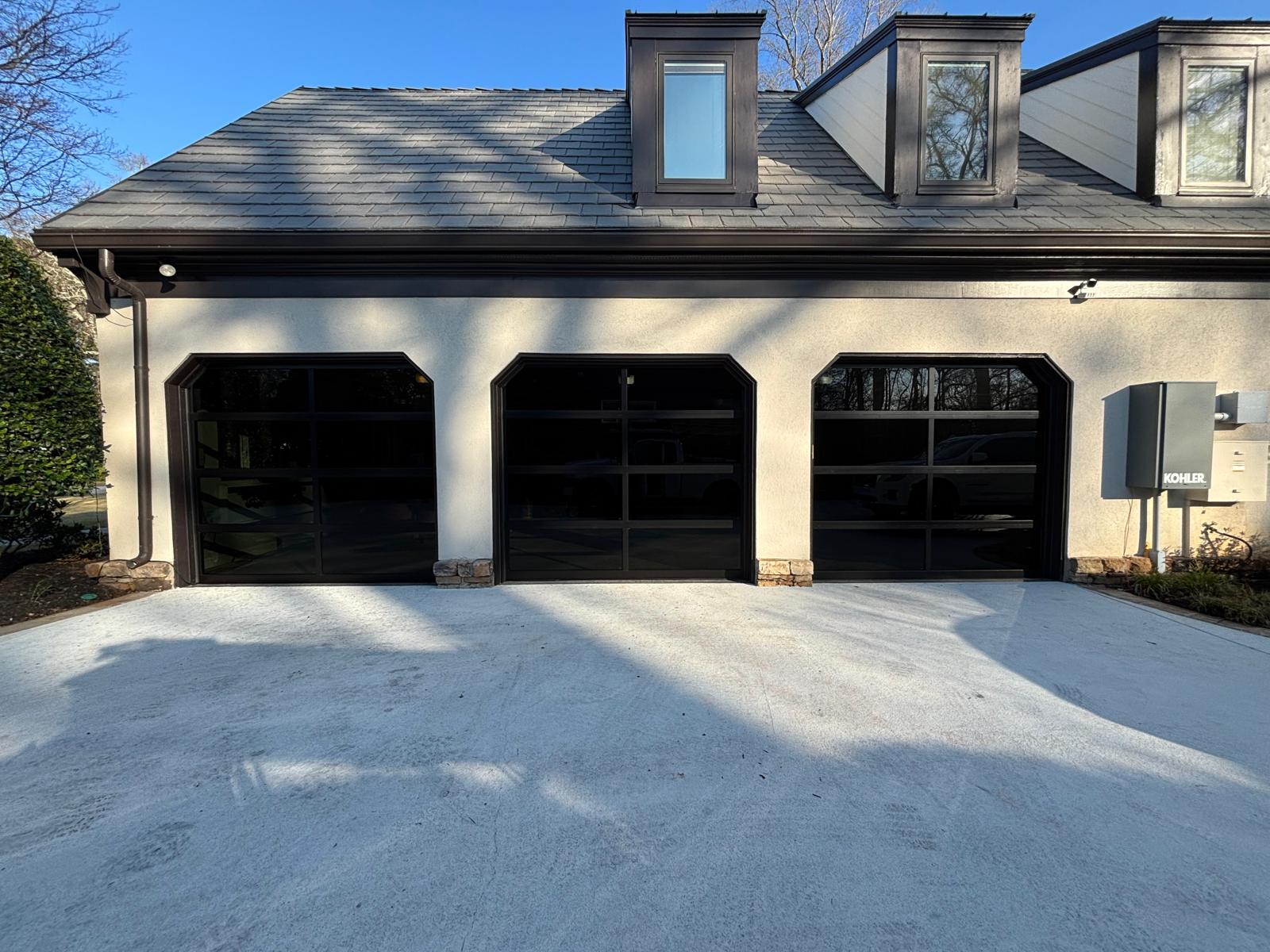
Let’s be honest, we don’t spend a lot of time thinking about our garage doors until something goes wrong. Then, it becomes the only thing we can think about. That grinding noise? That door that reverses for no reason? That spring that looks more like a modern art sculpture than a functional piece of hardware? Yeah, we’ve been there. As a garage door company right here in Atlanta, we’ve seen it all. So, grab a sweet tea, pull up a chair, and let’s have a real talk about the heart of your home’s curb appeal and security—your garage door.
The Unsung Hero: More Than Just a Big Door
We like to call the garage door the “unsung hero” of your house. It works hard, multiple times a day, braving the Georgia heat and the occasional surprise cold snap. It’s a major moving part of your home, and it’s under a ridiculous amount of tension. IMO, treating it like an appliance is where most of us go wrong. This thing is a system—a heavy one at that.
Think about it: would you try to fix the suspension on your car with a YouTube video and a hope and a prayer? Probably not. The same logic applies here, especially with garage door cable replacement or spring work. Those components are under extreme pressure, and a mishap isn’t just a minor oops—it’s dangerous. That’s why, whether you’re in Marietta, Alpharetta, or Dunwoody, knowing when to call a pro is the first step to peace of mind.
Residential vs. Commercial: It’s a Whole Different Ballgame
When we talk garage door services, we’re really talking about two separate worlds. Your home’s door and the door at a local business share a basic function, but the demands are night and day.
Residential garage doors are about aesthetics, security, and smooth daily operation. We want them to look great, keep our families safe, and open with a quiet hum (not a deafening screech) when we get home.
Commercial garage doors, on the other hand, are about durability, frequency of use, and often, size. They’re built to withstand dozens of cycles a day, forklift traffic (yikes!), and provide security for valuable inventory. The installation and maintenance philosophy for each is completely different.
At Atlanta Garage Doors, we handle both, but we approach them with distinct toolkits and expertise. Trying to force a residential solution onto a commercial need is like using a garden hose to put out a warehouse fire—it’s just not the right tool for the job.
The “Oh No” Moments: When You Need Help, Stat
We’ve all had that moment. You press the button, and instead of the satisfying rumble of ascent, you get a horrible BANG, a grinding shriek, or worse… nothing. Silence. This, friends, is what we call an emergency situation.
Here’s a quick, no-nonsense list of signs you need to pick up the phone immediately:
- A snapped spring: This is the big one. The door will become incredibly heavy, and you should NOT try to force it open. This is job #1 for automatic garage door repair.
- A frayed or snapped cable: These cables work with the springs to lift the door’s weight. If one goes, the door can become uneven and unstable.
- A door that won’t close all the way: This is a massive security risk and can be a sign of a safety sensor issue or something worse.
- Loud, grinding noises: This isn’t just an annoyance. It’s the sound of metal eating metal, and it only gets more expensive the longer you wait.
If you’re facing any of these near Dunwoody or anywhere else in the metro area, please, call a professional. It’s for your safety and your wallet. Trying a DIY fix on these issues often turns a simple repair into a full-blown replacement.
Choosing Your Partner: It’s Not Just About the Nearest Listing
Okay, rant time. When you search for the “nearest” or “affordable” garage door service, what are you really getting? A guy in a truck with spare parts? Maybe. But here’s what we think you should actually look for, beyond just geography and price:
- Transparent Pricing: No one likes surprise fees. A trustworthy company gives you a clear estimate before any work begins.
- Local Expertise: An Atlanta company knows the specific wear-and-tear our humidity and temperature swings cause. A national chain might not.
- Real Reviews: Don’t just glance at the star rating. Read the reviews. Look for consistent comments about professionalism, timeliness, and honesty.
- Range of Services: Can they handle everything from a spring repair to a full new installation? You want a one-stop shop.
We built Atlanta Garage Doors on these principles. We’re local, we’re transparent, and we’ve made it our mission to be the most trusted name in Atlanta for this specific trade. Why? Because we live here too, and we believe in doing right by our neighbors.
A Quick Guide to Common Garage Door Issues
Let’s break down some typical problems in a way that doesn’t require an engineering degree. FYI, this table is your new best friend for diagnosing that weird thing your door is doing.
| Symptom | Likely Culprit | Is It an Emergency? | What You Should Do |
|---|---|---|---|
| Door reverses before hitting the floor | Misaligned safety sensors or force limits set too low. | No, but address it quickly for security. | Check for obstructions in the sensor beam. If clear, it’s a pro adjustment. |
| Loud grinding or squealing | Worn rollers, lack of lubrication, or damaged opener gears. | Not immediately, but it’s getting worse. | Time for a service call. Continued use damages other parts. |
| Door is crooked or jerky when moving | A broken spring, snapped cable, or worn roller. | Yes. This is a stability risk. | Do not use the door. Call for emergency service. |
| Opener motor runs, but door doesn’t move | The drive mechanism is disengaged, or a broken spring/cable. | Potentially. | Check if the emergency release cord is pulled. If not, call a pro. |
| Door is extremely heavy to lift manually | One or both torsion springs are broken. | Yes. The opener could be damaged. | Stop trying to force it. This is a classic sign you need garage door cable replacement or spring service. |
Your Top Questions, Answered Honestly
We hear these all the time, so let’s tackle them head-on.
1. “Can’t I just replace the spring myself? I saw a kit online.”
We’re going to be brutally honest here: this is the most dangerous part of any garage door repair. Those springs are under hundreds of pounds of tension. A mistake during installation can cause serious injury or property damage. This is one area where the affordable DIY option can cost you way more in the long run. We always, always recommend professional service for spring work.
2. “How often should I actually maintain my garage door?”
Great question! We recommend a basic visual check monthly (look for loose hardware, listen for strange sounds) and a professional tune-up at least once a year. Think of it like an oil change for your car. A little preventative care from a company like ours near Alpharetta or Marietta can prevent most major breakdowns.
3. “My door is old and noisy. Should I repair it or just replace it?”
This depends. As a rule of thumb, if the door itself is structurally sound (no major dents, rotting wood, etc.), but the mechanism is failing, repair is often the best route. If the door panels are damaged, outdated, or inefficient, then a new installation might be a better investment for your home’s value and energy bills. We can help you weigh the pros and cons based on your specific situation.
Wrapping It Up: Your Door Deserves Better
So, what’s the takeaway? Your garage door is a workhorse that deserves a little respect and the right care. Ignoring the small problems guarantees the big, expensive ones will come knocking. And when they do, you want a team that knows the difference between a quick adjustment and a major overhaul.
Whether you’re dealing with a full-stop emergency or just planning some savvy preventative maintenance, having a local expert in your corner makes all the difference. We might be a bit biased, but we believe that’s us. At Atlanta Garage Doors, we’re not just fixing doors; we’re restoring your peace of mind, one smooth, quiet cycle at a time. When that opener finally starts acting up, you know who to call 🙂
Related Articles
People Also Ask
For lubricating garage door rollers, the best choice is a high-quality, silicone-based lubricant. This type of lubricant is specifically designed for garage door systems as it is non-greasy, attracts less dirt and debris, and provides long-lasting smooth operation without damaging the rollers or tracks. Avoid using WD-40 as it is a penetrant and degreaser, not a proper lubricant, and can actually attract grime over time. Apply the lubricant sparingly to the roller bearings and the track contact points. Regular lubrication, typically twice a year, is a key part of garage door maintenance that reduces wear, prevents squeaking, and ensures efficient, quiet operation.
Repairing a 20-year-old garage door opener is often not the most cost-effective or safe long-term solution. While a simple fix like replacing a remote or a gear might be inexpensive, the unit is likely nearing the end of its functional lifespan. Modern openers offer significant advancements in safety, such as mandated photoelectric sensors and automatic reversal mechanisms, which your older model may lack. They also provide better security, quieter operation, and improved energy efficiency. The cumulative cost of repeated repairs on an aging system can quickly approach the price of a new, reliable opener. For safety, reliability, and modern convenience, a full replacement is typically the recommended professional course of action.
WD-40 is not recommended for garage door rollers. While it is a popular lubricant, it is primarily a water-displacing solvent and light oil, not a long-lasting lubricant. For garage door systems, it can attract dust and grit, which then forms a grinding paste that accelerates wear on the rollers and tracks. The proper maintenance requires a dedicated garage door lubricant, typically a silicone-based or lithium-based grease, which is thicker, longer-lasting, and designed not to attract debris. For a detailed breakdown of why WD-40 is unsuitable and the correct lubrication procedure, please refer to our internal article Can You Spray WD-40 On Garage Door Rollers?. Regular professional maintenance is also advised to ensure safety and longevity.
For sliding door rollers, use a silicone-based lubricant or a dry lubricant like Teflon spray. Avoid oil-based products such as WD-40, as they attract dust and grime, which can cause buildup and make the door harder to slide over time. First, clean the track thoroughly to remove any debris. Then, apply the lubricant directly to the rollers and the track, moving the door back and forth to distribute it evenly. Regular maintenance, about once or twice a year, ensures smooth operation and extends the lifespan of the door system. For persistent issues, the rollers themselves may be worn and require professional adjustment or replacement.
For the best garage door lubricant, professionals typically recommend a high-quality, non-greasy silicone-based spray. This type of lubricant is ideal because it penetrates deeply into hinges, rollers, and springs without attracting dust and grime, which can cause wear over time. It's important to avoid using WD-40 or similar products as a long-term lubricant, as they are primarily degreasers and can dry out components. For a detailed breakdown of top-performing products and application tips, we highly recommend our internal article, The Best Garage Door Lubricant On The Market: Because Squeaky Hinges Are Not A Flex. Regular lubrication with the correct product is a key part of preventative maintenance, ensuring smooth, quiet operation and extending the lifespan of your entire garage door system.
Garage door lubricant spray is essential for maintaining smooth, quiet, and long-lasting operation of your garage door system. It is specifically designed to reduce friction on moving parts like metal rollers, hinges, and the torsion spring. For optimal performance, use a high-quality silicone-based or lithium-based white grease spray, as these do not attract dust and grime like petroleum-based products can. Before application, clean the components with a damp cloth to remove old lubricant and debris. Spray a light, even coat on all moving metal contact points, avoiding the garage door opener's plastic parts and the tracks themselves. Perform this lubrication at least twice a year to prevent wear, noise, and potential operational failures.
Using WD-40 on garage door springs is not recommended. While WD-40 is a water-displacing spray and light lubricant, it is not designed for the high-tension, heavy-load applications of torsion or extension springs. Its light oil can attract dust and grit, forming an abrasive paste that accelerates wear. For springs, a dedicated garage door lubricant or a silicone-based spray is the professional standard. These products are formulated to penetrate, lubricate, and protect without collecting debris. Always apply lubricant sparingly to the coils of the spring only, and never attempt to lubricate or adjust springs while the door is under tension due to the extreme safety risk.