

The new bathroom feels more useful and welcoming. Everything flows better than before. It made a huge difference in our home Very happy we chose this business.

Simon at Atlanta Garage Doors was fantastic to work with. He was extremely responsive, honest about the condition of my garage door, and helped me avoid putting money into an obsolete system. He quickly updated the sensors and made the whole process easy and straightforward. I really appreciated his transparency and efficiency.

We called and they came the very next day! Prompt and professional, Simon was able to access the issue and get it fixed with no issue. Highly recommended if you’re looking for accurate diagnoses, with affordable prices and prompt response time.

We had amazing service from Shimon. Great problem solver. Communicates clearly.

Fast and responsive same day service at a reasonable cost!! Highly recommend.

I was rushing out today when one of my two garage door springs broke, leaving me stuck in the garage. I quickly searched for same-day repair services, and Atlanta Garage Doors came up as a top option. After calling, I was told a technician would arrive within 1.5 hours, but Shimon showed up even sooner, in just one hour. He replaced both springs in about 45 minutes and saved my afternoon. This company definitely deserves 5 stars for coming through when I needed them most!

Fantastic service. The price was great, the quality excellent and they even added additional insulation to our older garage. Highly recommend!
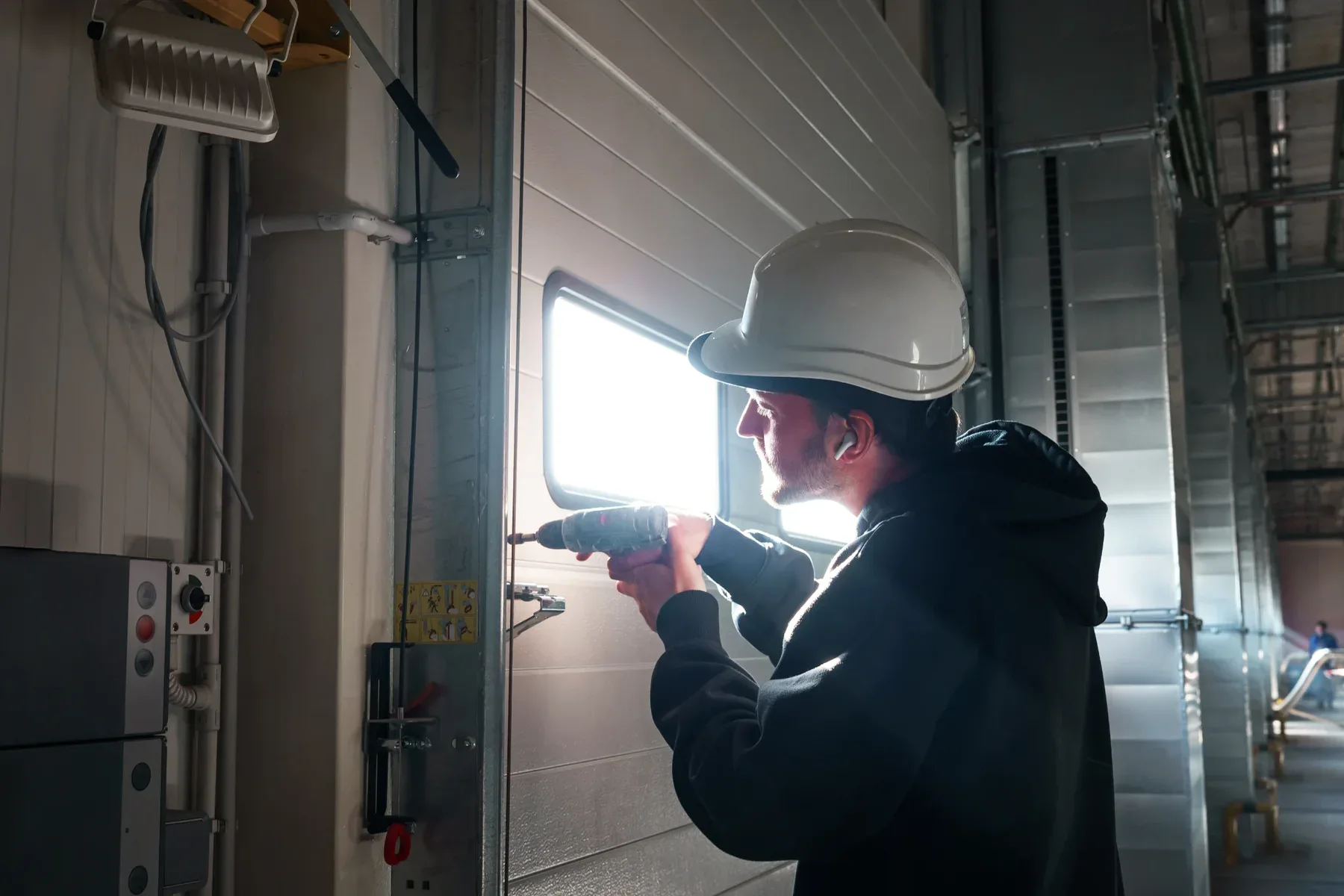
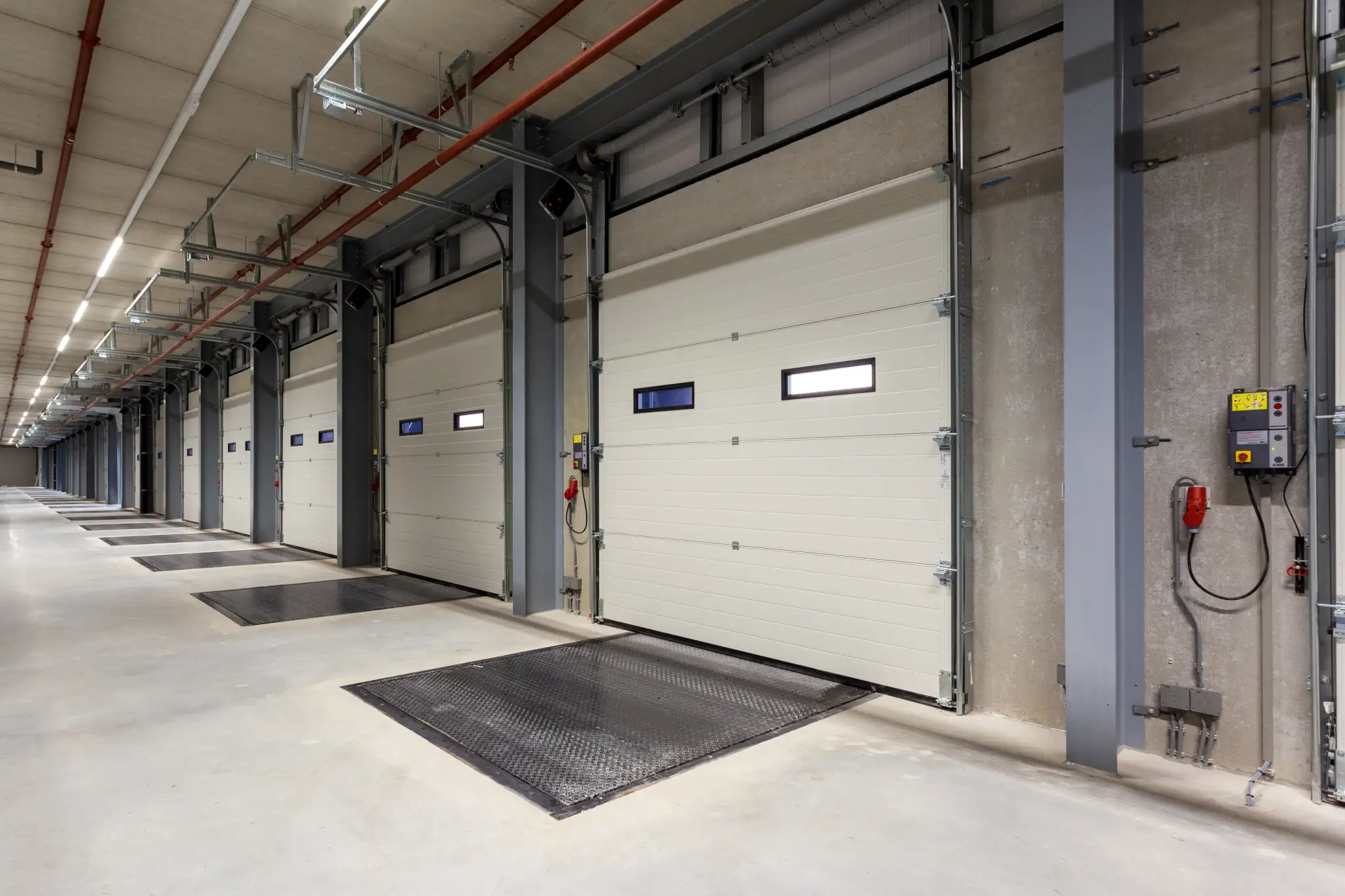
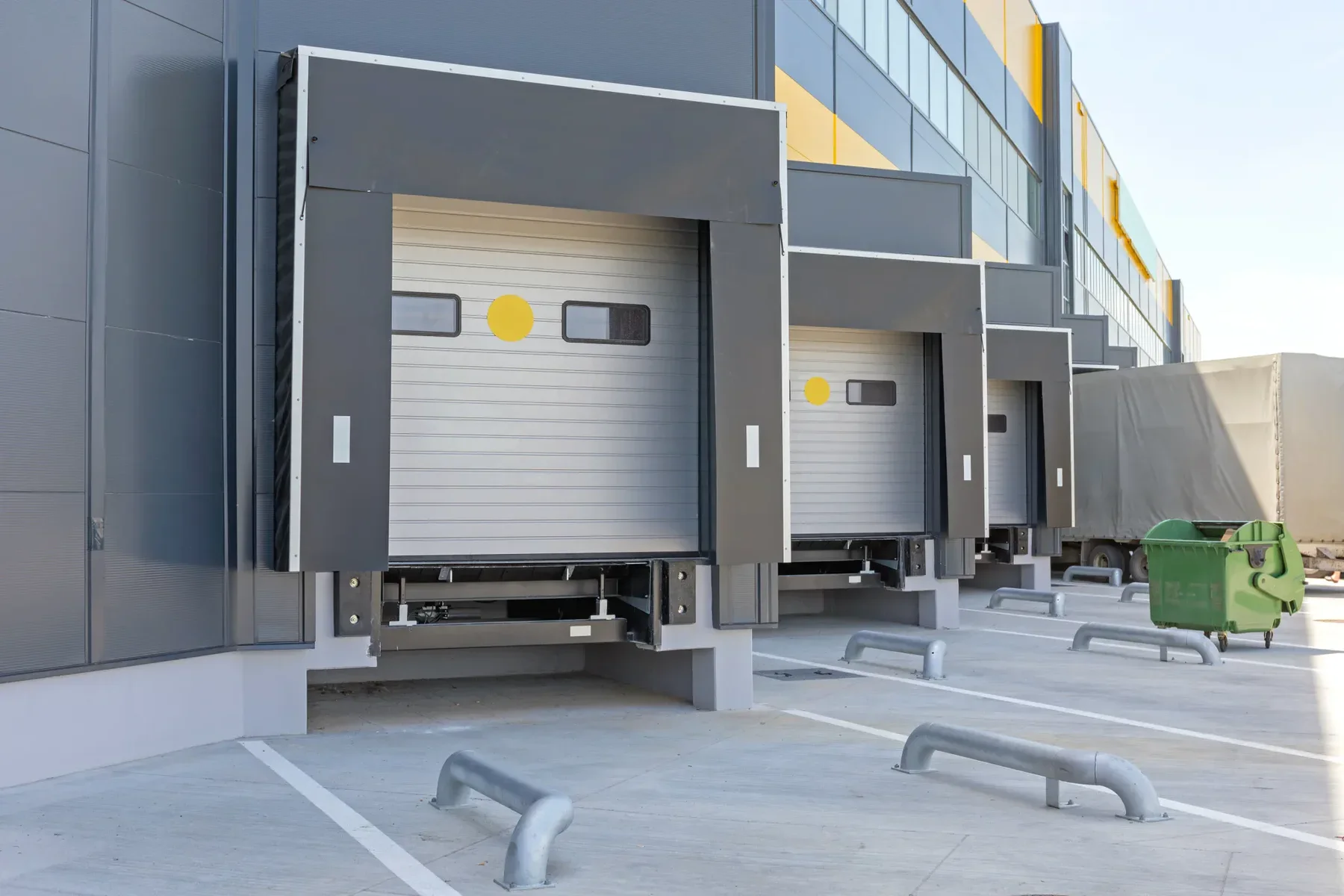
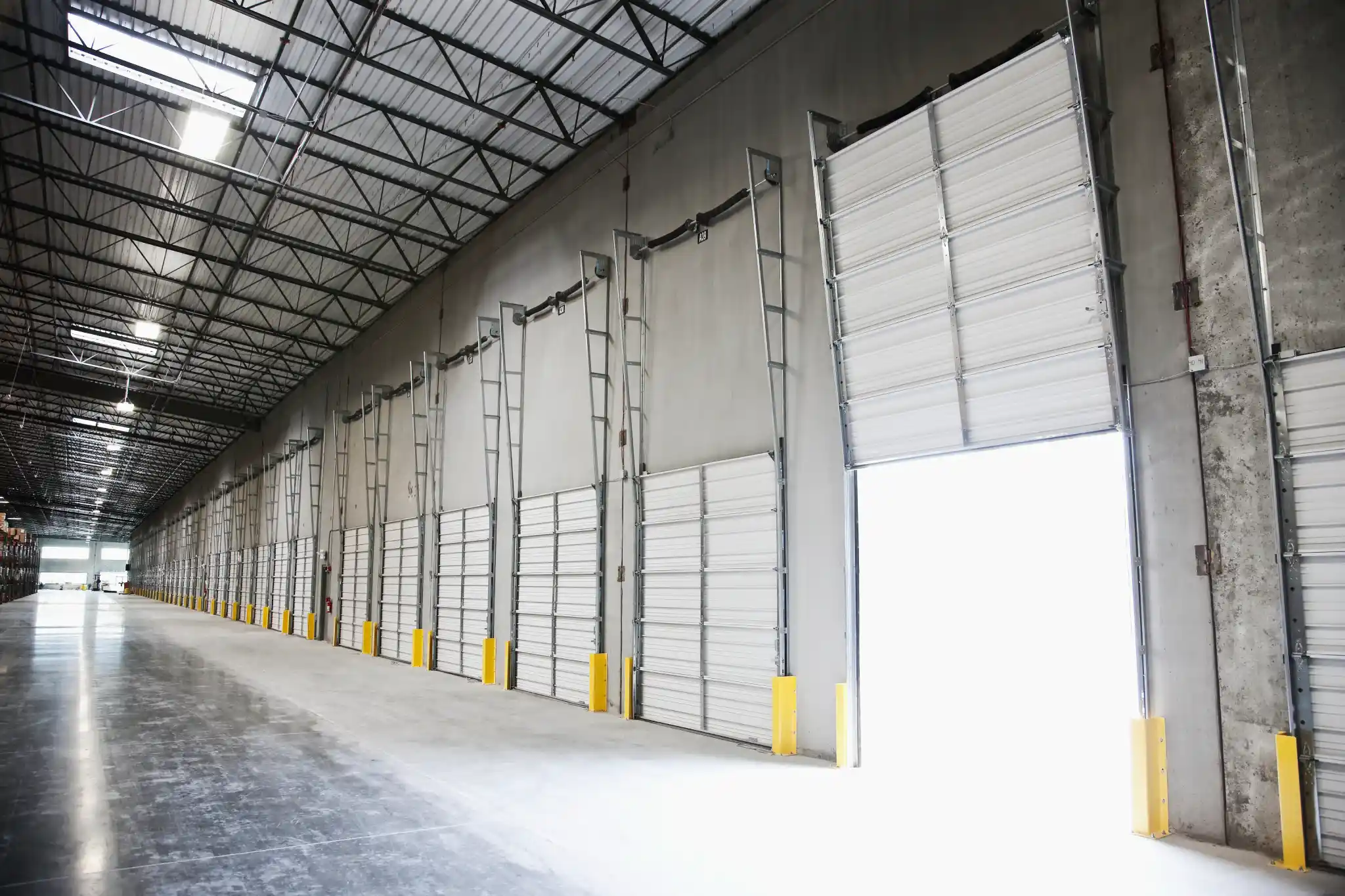
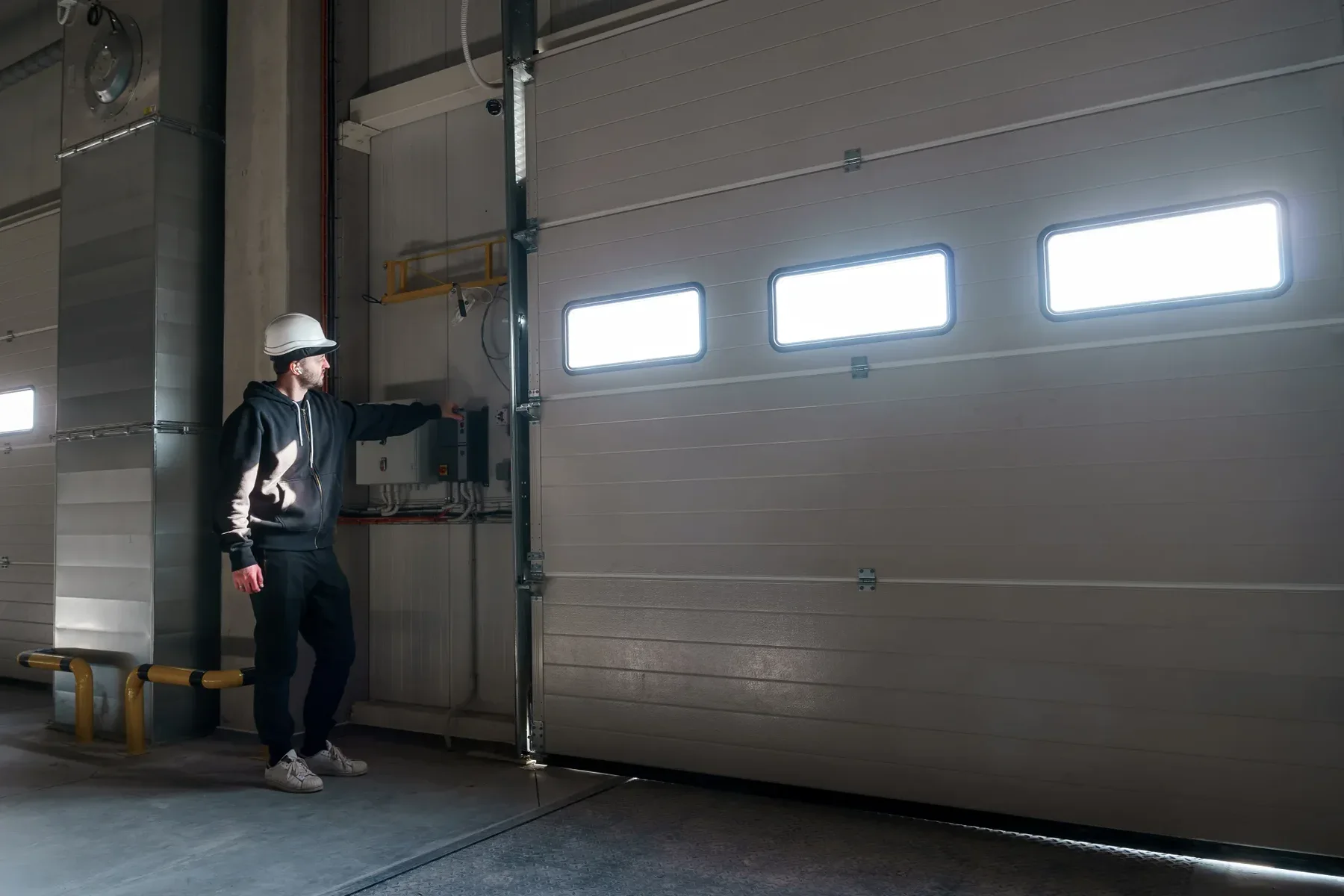

The average cost to repair a garage door typically ranges from $150 to $350, though this can vary significantly based on the issue. Simple fixes like replacing sensors or remote controls may cost under $100, while more complex repairs such as replacing broken springs, cables, or the opener motor can range from $200 to $600 or more. Factors influencing cost include the door's material, size, and whether parts are standard or high-end. Labor rates also vary by region. For safety and reliability, it's crucial to hire a professional technician, as attempting DIY repairs on heavy components like springs can be dangerous. Regular maintenance can help prevent costly repairs.
Garage door repairs are a frequent need for homeowners, with a few issues being particularly common. The most frequent repair involves replacing broken or worn-out springs, which bear the entire weight of the door. Torsion springs, located above the door, are especially critical and dangerous to replace without professional training. Other common fixes include realigning or replacing off-track rollers, repairing or replacing malfunctioning garage door openers (including sensors and remotes), and addressing issues with frayed or snapped cables. For a detailed breakdown of these common problems and their typical price ranges, we recommend reading our internal article, Most Common Garage Door Repairs (And Their Costs). Regular maintenance, such as lubricating moving parts and checking balance, can help prevent many of these issues.
Homeowners insurance typically covers garage door repair only when the damage is caused by a covered peril listed in your policy. This generally includes sudden, accidental events like damage from a fallen tree during a storm, a vehicle collision, or vandalism. Standard wear and tear, mechanical failure, or lack of maintenance are almost always excluded from coverage. It is crucial to review your specific policy details and deductible amount, as filing a claim for minor damage may not be cost-effective. For a detailed breakdown of scenarios and considerations, please refer to our internal article Does Home Insurance Cover Garage Door Repairs?. Always consult with your insurance provider to confirm your coverage before proceeding with repairs.
Yes, you can manually lift a garage door if the spring is broken, but it is extremely difficult and potentially dangerous. The torsion or extension springs are responsible for counterbalancing the door's weight, which can be 150 to 400 pounds. Without this counterbalance, you are lifting the full, dead weight of the door. This requires significant strength and risks severe injury or damage if the door slips. For a safer approach, you should follow the detailed steps in our internal article How To Open A Garage Door Manually?. However, the only proper solution is to call a professional garage door technician immediately. A broken spring is a critical safety hazard, and attempting to operate the door or replace the spring yourself is strongly discouraged due to the high risk of injury.
For residential garage door repair in California, it's essential to choose a licensed and insured service provider. Look for companies with strong local reputations, verified customer reviews, and technicians certified by organizations like the International Door Association (IDA). Standard repairs often include fixing broken springs, cables, rollers, or malfunctioning openers. Given California's diverse climate, from coastal humidity to inland heat, ensure the service uses materials resistant to corrosion and wear. Always request a detailed, upfront estimate before work begins. For emergencies, many reputable companies offer 24/7 service. Prioritize safety; a professional should handle high-tension components like torsion springs to prevent serious injury.
For residential garage door repair in Texas, it's crucial to choose a licensed and insured local service provider. Look for companies with strong community reputations, verified reviews, and technicians certified by organizations like the International Door Association (IDA). Standard repairs include fixing broken springs, cables, rollers, and malfunctioning openers. A professional should conduct a comprehensive safety inspection, checking for proper balance and alignment, which are critical for system longevity and security. Always request a detailed, upfront estimate. In Texas, consider local factors like humidity and temperature swings that can affect door materials; a reputable technician will recommend solutions suited to the regional climate.
When searching for residential garage door repair services in your area, it is crucial to choose a licensed and insured professional. Look for a company with strong local reviews and a proven track record of reliability. A reputable service will offer a comprehensive evaluation, addressing common issues like broken springs, malfunctioning openers, or misaligned tracks. They should provide transparent upfront pricing and warranties on both parts and labor. For safety and longevity, insist on high-quality replacement components that meet or exceed manufacturer specifications. Always verify their response time for emergency repairs, as a prompt service can prevent further damage and security risks to your home.
The cost of residential garage door repair varies widely based on the issue and parts required. A common service call, including diagnosis, typically ranges from $100 to $200. Replacing standard components like springs, which is a frequent repair, can cost between $150 and $350 due to the high-tension parts and labor involved. For a broken cable, expect $100 to $200. Opener repairs or sensor realignment often fall in the $100 to $300 range. Major repairs, like replacing multiple panels on a sectional door, can approach $500 to $1,000. Always obtain a detailed estimate from a licensed professional, as attempting DIY repairs on high-tension systems can be dangerous and may void warranties.


509 reviews


