Garage Door Repair Atlanta | Atlanta Garage Doors Repair & Installation

Tag: Homeowner Tips

  • Garage Door Warranty Comparison Guide For The Metro Atlanta Market

    Garage Door Warranty Comparison Guide For The Metro Atlanta Market

    You’d think a garage door warranty is a straightforward piece of paper. It’s not. After fifteen years in this business, I’ve watched homeowners sign contracts that left them holding a bag of broken springs and a bill for labor they assumed was covered. The problem isn’t just what’s written in the fine print. It’s that most people compare warranties the wrong way—they look at the years of coverage without asking what actually breaks, or who pays for the truck roll.

    Key Takeaways

    • Most “lifetime” warranties only cover specific parts, not labor or springs.
    • In metro Atlanta, heat and humidity degrade rubber seals and torsion springs faster than standard warranty terms account for.
    • Dealers often exclude common failure points like rollers, cables, and weatherstripping.
    • A 10-year parts warranty from a reputable local installer can be more valuable than a national brand’s “limited lifetime” offer.

    The Real Cost of a “Free” Warranty

    I’ve stood in driveways from Buckhead to Decatur explaining to a homeowner why their five-year-old opener’s circuit board isn’t covered. The warranty card said “5-year warranty on motor.” What it didn’t say was that the logic board, the gear assembly, and the travel module were only covered for two years. The motor itself rarely fails. It’s everything around it that gives out.

    The biggest trap is the phrase “limited lifetime warranty.” Sounds great until you read the exclusions. Most manufacturers define lifetime as the useful life of the product, which they arbitrarily set at seven to ten years. After that, you get a prorated discount on a new unit—if you can find the receipt and register the product within thirty days of purchase. We see this every week.

    What’s Actually Covered vs. What Should Be

    Let’s break down the real-world components that matter in Atlanta’s climate. We deal with humidity that rusts cables, heat that weakens springs, and clay soil that shifts foundations and throws door tracks out of alignment.

    Springs: The Most Common Failure Point

    Torsion springs have a finite life measured in cycles, not years. A standard pair of springs might last 10,000 cycles—roughly seven years for a family of four. Most warranties cover springs for one to three years. After that, you’re paying out of pocket. The cost for a pair of professionally installed springs in Atlanta runs around $250 to $400.

    Some premium door manufacturers offer extended spring coverage for an additional cost. In my experience, it’s worth it if you plan to stay in the house longer than five years. The math is simple: one spring replacement costs more than the upgrade fee.

    Openers: The Electronics Trap

    Garage door openers have gotten smarter, which means they’ve gotten more fragile. Circuit boards fail from power surges, heat buildup in uninsulated garages, and simple age. Most opener warranties cover the motor for life but the electronics for only two to three years.

    Atlanta sees frequent thunderstorms, and power surges are a real issue. We recommend a surge protector at the outlet, but most warranty language specifically excludes damage from electrical surges. Read that clause carefully.

    Panels and Weatherstripping

    This is where the “limited lifetime” warranty really shows its limits. Steel panels are usually covered against rust-through for as long as you own the home. But dents, scratches, and fading are cosmetic and excluded. Weatherstripping, which takes a beating in our heat and humidity, is typically covered for one year.

    I’ve seen bottom seals crack and pull away from the door within eighteen months in direct sun exposure. That’s a $40 part and an hour of labor, but if your warranty only covers parts, you’re still paying for the service call.

    Comparing Warranty Types: What to Look For

    Not all warranties are created equal, and not all installers honor them the same way. Here’s a practical breakdown based on what we’ve seen work and fail in the Atlanta market.

    Warranty Type Typical Coverage Common Exclusions Real-World Value
    Manufacturer Limited Lifetime Panels against rust, motor on openers Labor, springs, cables, rollers, electronics after 2 years Moderate. Good for long-term panel replacement, but labor costs add up.
    Prorated Warranty Full coverage first 2-5 years, then decreasing percentage Transfer fees, registration deadlines Low. Most homeowners forget to register, and prorated value drops fast.
    Labor Warranty (Installer) 1-5 years on installation workmanship Parts not supplied by installer, damage from misuse High. A good labor warranty from a local company like garage door specialists in Atlanta covers alignment issues and adjustments.
    Extended Service Plan Covers parts and labor for a fixed term (5-10 years) Pre-existing conditions, normal wear on springs Highest if you buy it at time of installation. Must be from a dealer with a local service team.

    The takeaway here is that a manufacturer’s warranty is only as good as the installer who stands behind it. We’ve seen national brands refuse to honor a warranty because the homeowner didn’t use an authorized dealer for installation. That’s a loophole that catches a lot of people.

    Why Local Matters in Atlanta

    Atlanta has its own set of building realities. Many homes in neighborhoods like Virginia-Highland and Inman Park have older garages with non-standard door sizes. A warranty from a big box store might cover the door, but good luck finding a technician who will drive to your house for a warranty claim on a door they didn’t install.

    Local installers like Atlanta Garage Doors, located in Atlanta, GA, understand that a door facing west on a hot Atlanta afternoon will age differently than one on a shaded north side. We adjust our recommendations accordingly. A national warranty doesn’t account for that.

    The Climate Factor

    High humidity accelerates rust on cables and springs. Heat degrades the lubricant in openers. Clay soil expansion can shift door tracks by a quarter-inch over a season. These aren’t defects—they’re environmental realities. A good warranty from a local provider will include at least one annual adjustment visit to keep the door tracking straight.

    Common Mistakes Homeowners Make

    I’ll list the ones we see most often, because they cost people real money.

    Mistake 1: Assuming labor is covered. Most manufacturer warranties are parts-only. A $20 roller can cost you $150 to have replaced because the service call and labor aren’t included. Always ask: “If this part fails, who pays for the technician to come out?”

    Mistake 2: Not registering the product. This is the number one reason warranty claims get denied. Manufacturers require online registration within 30 to 60 days. If you lose the card, you lose the coverage.

    Mistake 3: Ignoring the transfer fee. If you sell your home, some warranties transfer to the new owner for a fee of $50 to $150. Others are void the moment the house changes hands. That matters if you plan to move within ten years.

    Mistake 4: DIY repairs that void coverage. We’ve seen homeowners try to adjust their own springs, strip the set screws, and then file a warranty claim. The manufacturer denies it because the door was tampered with. Spring work is dangerous and should always be handled by a professional. That’s not a sales pitch—it’s physics.

    When a Warranty Isn’t Worth It

    There are situations where paying extra for a long warranty doesn’t make sense.

    If you’re in a rental property or a flip, the cheapest door with a basic one-year warranty is often the right call. You won’t own the house long enough to benefit from extended coverage. Similarly, if you have an older door that’s already showing rust or dents, a warranty on a new opener might not cover failures caused by the door’s poor condition.

    For homeowners in historic districts where custom wood doors are common, standard warranties often exclude wood rot and paint failure. Those are maintenance issues, not defects. In that case, your money is better spent on a high-quality paint and regular inspections.

    How to Read a Warranty Like a Pro

    Before you sign anything, flip to the exclusions page. That’s where the truth lives. Look for these phrases:

    • “Normal wear and tear” – This covers springs, cables, rollers, and weatherstripping.
    • “Acts of God” – This includes lightning strikes, which are common in Atlanta storms.
    • “Improper installation” – The manufacturer can blame the installer, and the installer can blame you.
    • “Unauthorized modifications” – Any aftermarket part, even a different light bulb, can void coverage.

    If the warranty doesn’t specifically list the parts covered, assume they aren’t covered.

    The Bottom Line on Garage Door Warranties

    A warranty is a tool, not a safety net. The best protection you can get is a reputable local installer who has been in business for more than a decade and has a service team that answers the phone. Atlanta Garage Doors, located in Atlanta, GA, has seen enough warranty battles to know which manufacturers actually pay claims and which ones fight them.

    If you’re shopping for a new door or opener, spend less time comparing the years of coverage and more time reading the exclusions. Ask the dealer to put in writing what the first service call will cost you. If they hesitate, that’s your answer.

    And if you’re dealing with an existing warranty issue, don’t assume you’re stuck. Many manufacturers have a goodwill policy that covers parts even outside the warranty period if you push hard enough. It never hurts to ask.

    The real takeaway is this: a warranty doesn’t fix your door. A good technician does. Make sure the warranty supports the technician, not the other way around.
  • The Roswell Homeowner’s Hidden Maintenance Mistake

    The Roswell Homeowner’s Hidden Maintenance Mistake

    Let’s be honest, we’ve all had that moment. You’re rushing out the door, coffee in one hand, keys in the other, you hit the garage door opener… and nothing. Or worse, it makes a sound that would make a horror movie sound designer proud. Suddenly, your entire day grinds to a halt. We get it, because we’ve seen it all here in Atlanta. Garage doors are one of those things we take for granted until they decide to stage a rebellion. So, let’s have a real talk about them—no jargon, no sales pitch, just the straight story from folks who live and breathe this stuff.

    The Heart of the Home (No, Really)

    We know, calling a garage door the “heart of the home” sounds like a stretch. But think about it. It’s the main entry for most of us, it protects our cars, our tools, and let’s be real, it’s where we stash all the stuff we don’t want guests to see. A smooth, quiet, reliable garage door isn’t a luxury; it’s the backbone of a smooth-running household. When it works, you don’t think about it. When it doesn’t, it’s all you can think about.

    That’s where understanding a bit about garage door services comes in handy. It demystifies the whole process and helps you know when to grab your toolbox and when to immediately call a pro (hint: it’s usually the latter).

    When Things Go “Clunk”: Decoding Garage Door Repair

    Not every groan is a death rattle. Sometimes, it’s just a cry for attention. But how do you know the difference?

    The “You Can Probably Handle This” Stuff:

    • Squeaks and Groans: This is often just a sign that the moving parts are thirsty. A good lithium-based garage door lubricant on the rollers, hinges, and springs can work miracles. It’s the WD-40 moment.
    • Weather Seal Gaps: If you see daylight or feel a draft, the bottom seal might be worn. This is a fairly straightforward swap that can boost your home’s energy efficiency.

    The “Step Away and Call Us” Stuff:

    This is the serious league. Garage door repair gets dangerous fast when we’re talking about major components.

    • Spring Problems: You have either torsion springs (mounted above the door) or extension springs (along the sides). These hold immense kinetic energy. A broken spring doesn’t just mean your door won’t open; it means a coiled piece of metal just failed under massive tension. Garage door cable replacement often falls into this same scary category, as cables work in tandem with springs. This is not a DIY project. Ever.
    • Automatic Garage Door Repair: Your opener is the brain. If the door is manually fine but the opener won’t budge it, issues could range from simple sensor misalignment (those little eyes near the floor) to a burned-out motor. We’ve seen folks spend hours troubleshooting only to find a single pine needle blocking a sensor. True story.

    And then there’s the true test of any garage door company: the emergency garage door service call. Picture this: it’s 10 PM, you’re coming home from a trip, and your door is jammed shut or, horrifyingly, stuck open. That’s a vulnerability you can’t sleep on. Having a local team you can count on, like us at Atlanta Garage Doors, means security and peace of mind are just a phone call away, whether you’re in Marietta, Dunwoody, or right in the heart of Atlanta.

    The Big Leap: Considering a New Garage Door Installation

    Maybe your door is beyond repair, or maybe you’re just tired of looking at that dent from the time you, ahem, “misjudged” the clearance. Garage door installation is a fantastic upgrade that boosts curb appeal and function.

    Choosing Your Style: It’s Not Just a Big Slab Anymore
    Gone are the days of one plain white door. Now you’ve got choices:

    • Traditional Raised Panel: The classic workhorse. It’s clean, it’s affordable, and it looks great on most homes.
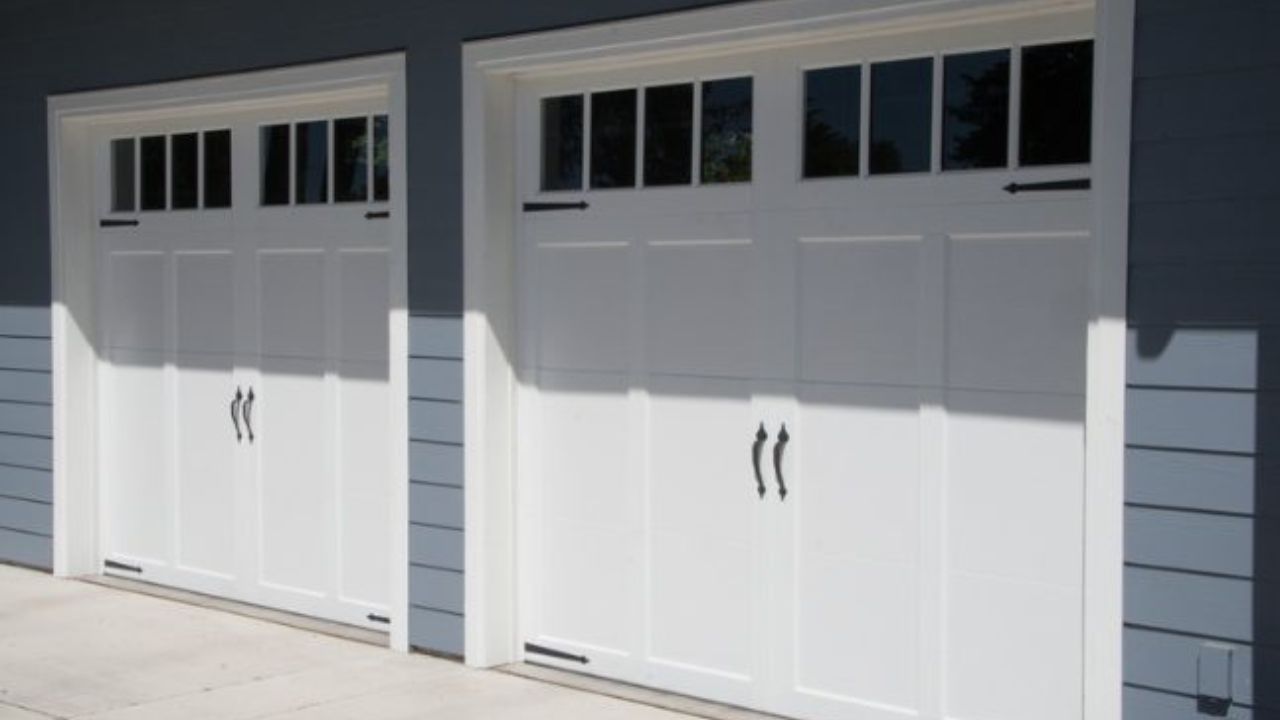
    • Carriage House: This style gives you that charming, old-world look without sacrificing modern insulation and convenience. It’s basically the door wearing a historical costume, and we love it.
    • Full-View Glass & Aluminum: For the modern masterpiece homes. Sleek, stunning, and perfect for letting light into a workshop or studio garage.

    Residential vs. Commercial Garage Doors: A Different Beast

    While the principles are similar, commercial garage doors are a whole different ballgame. They’re bigger, heavier, and cycle (open/close) far more often. Durability and specific operational features become critical. Whether it’s a sleek roll-up for a new retail space in Alpharetta or a heavy-duty sectional door for a warehouse, the needs are distinct from your home. It’s one reason we specialize in both—the mindset and tools required are different.

    The Nuts, Bolts, and Really Important Decisions

    Let’s break down some key considerations in a way that doesn’t make your eyes glaze over.

    Insulation: More Than Just a Cozy Car
    An insulated door is less about warming your car and more about:

    • Temperature Stability: If your garage is attached, a better-insulated door helps regulate temps in the rooms above or next to it.
    • Durability: Insulated doors are often constructed with stronger, layered materials.
    • Noise Reduction: Makes a huge difference if you have a bedroom near the garage.

    Material Matters: A Quick Cheat Sheet

    | Material | The Good Stuff | The “Keep in Mind” Stuff | Our IMO (See, we used one!) |
    | :— | :— | :— | :— |
    | Steel | Durable, low-maintenance, great insulation options. | Can dent. Lower-grade steel can rust over time. | The all-around champion for most homes. |
    | Wood | Stunning, classic, high-end curb appeal. | Requires regular maintenance (staining/painting). Can warp. | Absolutely beautiful, but be ready for the relationship. It’s a commitment. |
    | Aluminum | Rust-proof, lightweight, great for modern full-view styles. | Can dent easily. Not a great insulator on its own. | Perfect for specific styles, but not always the everyday workhorse. |

    The Opener: The Brains of the Operation
    Don’t cheap out here. A good opener is about safety and quiet.

    • Belt Drive: Our top pick for most homes. It’s the quietest. Your neighbor will thank you.
    • Chain Drive: The reliable, affordable, but slightly noisier option. Think of it as the dependable pickup truck of openers.
    • Smart Features: Being able to check if you closed the door from your phone or grant one-time access to a delivery person isn’t just cool—it’s genuinely useful. We’re fans.

    Finding Your People: It’s More Than Just a “Near Me” Search

    Okay, let’s get real about choosing a company. You’ll probably search “garage door repair near me” and get a million results. How do you choose?

    Reviews are Your Best Friend (And Our Report Card)
    We read our reviews obsessively. You should too when choosing someone. Look for consistent comments about:

    • Punctuality and Communication: Did they show up on time? Did they explain the problem clearly?
    • Fair Pricing: Were the costs upfront, or were there surprises?
    • Professionalism: This is a big one. Were they respectful of your home?

    Why Local Really, Truly Matters

    A national franchise might have a big name, but a local Atlanta garage door company like ours lives here. We know the weather challenges, we understand the neighborhood architectural styles in Dunwoody versus Alpharetta, and our reputation is everything. If we do a bad job, you’ll see us at the grocery store. We’re invested in getting it right the first time.

    Your Top Questions, Answered Straight

    1. “How long should a garage door last?”

    With proper maintenance, a good quality door should last 20-30 years. The opener? About 10-15 years. The springs, depending on use, might need replacing every 7-10 years. They’re the wear-and-tear item.

    2. “How can I maintain my garage door myself?”
    Great question! A simple quarterly check-up does wonders:

    • Listen and Look: Open and close the door. Listen for scrapes or grinding. Look for any jerky movements.
    • Lubricate: Lightly lubricate moving metal parts (hinges, rollers, springs) with a proper garage door lubricant.
    • Test the Safety Features: Place a roll of paper towels under the door as it’s closing. It should immediately reverse. If it doesn’t, your sensors or force settings need attention.

    3. “My door is making a terrible noise. Is it an emergency?”

    It depends. If the door is still operating, it’s likely not an immediate safety emergency, but it is a sign something is wearing out. Shut it and stop using it until you can get a pro to look. If the door is stuck, crooked, or has a visibly broken spring or cable, that’s when you call for an emergency garage door service. Don’t risk it.

    At the end of the day, we just want your door to work. It’s that simple. Whether it’s a routine automatic garage door repair, a full garage door installation to transform your home’s look, or that panic-inducing midnight call, our team at Atlanta Garage Doors is here for it. We’re your neighbors, and we treat your home like it’s our own. So next time you hear that suspicious clunk, you know who to think of. Give us a shout, and let’s get you rolling smoothly again.

Google Facebook

Overall Rating

5.0
★★★★★

532 reviews

Call Now