Garage Door Repair Atlanta | Atlanta Garage Doors Repair & Installation

Tag: atlanta garage door

  • Why Is My Door Suddenly Getting Stuck?

    Why Is My Door Suddenly Getting Stuck?

    Most people don’t think about their garage door until it refuses to cooperate. You hit the opener, hear the motor strain, and nothing happens. Or worse, the door goes up six inches, stops, and then reverses like it’s scared of something. That moment of frustration—standing there with a half-open door and a schedule to keep—is where most homeowners start googling for answers.

    Key Takeaways

    • A sticking door is rarely a random failure; it’s usually a symptom of something specific like misaligned tracks, worn rollers, or a failing spring.
    • Many causes can be diagnosed without special tools, but some require professional handling for safety.
    • Ignoring a sticking door often leads to bigger, more expensive repairs down the road.
    • Local factors like Atlanta’s humidity and older neighborhood construction play a real role in how doors behave.

    We’ve been inside hundreds of garages across Atlanta, and we’ve seen the same patterns repeat. The door that “just started acting up” almost always has a clear, physical reason. The trick is knowing where to look first.

    The Most Common Reason Doors Get Stuck

    Let’s cut through the noise. In our experience, about 60% of sticking doors trace back to the tracks. Not the door itself, not the motor, but the metal rails that guide everything up and down. Over time, those tracks shift. A single loose bolt on the wall bracket can throw the whole alignment off by a quarter-inch, and that’s enough to turn smooth operation into a grinding mess.

    When tracks get bent or knocked out of alignment, the rollers bind. You’ll hear it—a scraping sound, maybe a pop. The door might move unevenly, one side lagging behind the other. We’ve seen homeowners spend hours lubricating everything in sight when the real fix was just tightening two bolts and tapping a track back into place with a rubber mallet.

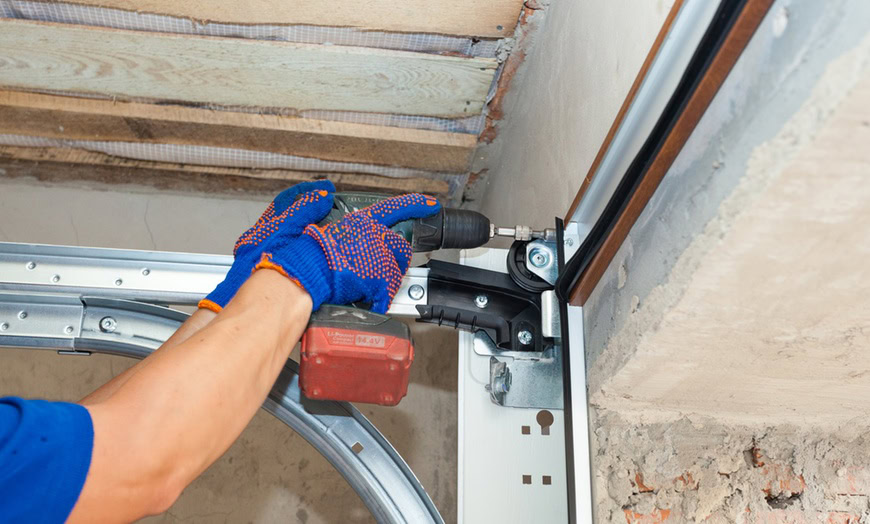
    If you’re comfortable getting on a ladder, you can check this yourself. Look at the gap between the rollers and the track on both sides. It should be consistent. If one side looks pinched or the roller is riding at an angle, that’s your culprit.

    When Rollers and Hinges Start Wearing Out

    Tracks get the blame, but the rollers are often the real victim. Standard nylon rollers with steel bearings are fine for a few years, but they wear down. The plastic cracks, the bearings get gritty, and suddenly your door sounds like it’s chewing gravel. We’ve swapped out rollers that were literally worn down to a nub on one side.

    Hinges are another overlooked part. They flex every time the door moves, and the constant stress eventually elongates the bolt holes. Once that happens, the door panels start shifting relative to each other. The whole thing goes crooked, and then it sticks.

    Here’s the practical reality: rollers and hinges are cheap. A full set of high-quality rollers with sealed bearings runs maybe forty bucks. Replacing them takes an hour if you’ve got a socket set and a pry bar. But there’s a catch—the bottom roller on each side sits inside a bracket that’s under spring tension. If you don’t know how to release that tension safely, don’t mess with it. That’s one of those moments where professional help saves you a trip to the ER.

    Springs: The Silent Failure

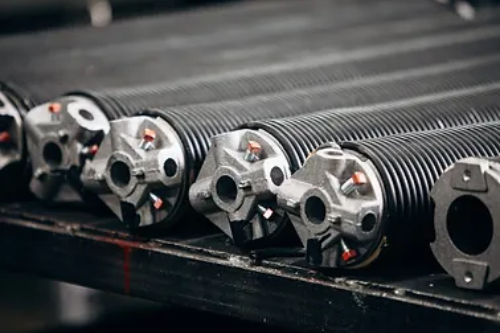
    Torsion springs are the workhorses of any garage door. They counterbalance the weight so the opener doesn’t have to lift three hundred pounds by itself. When a spring breaks, the door doesn’t just get stuck—it becomes dangerous. We’ve seen doors drop like a guillotine when a spring snaps.

    But springs don’t always fail dramatically. Sometimes they lose tension gradually. The door gets heavier over weeks. The opener struggles. Eventually it stops halfway and reverses because the safety sensors detect too much resistance. Most people blame the opener, but the opener is fine. The spring is just tired.

    If your door feels noticeably heavier when you lift it manually, or if it slams down faster than it used to, your springs are likely losing their mojo. This is not a DIY job. Springs are under extreme tension—hundreds of pounds of force. One slip and you’re looking at broken bones. Call a pro. It’s worth the service call.

    Sensor Issues That Mimic Mechanical Problems

    Modern openers have safety sensors near the floor. They shoot an infrared beam across the opening. If anything breaks that beam—a kid’s bike, a leaf, a spider web—the door won’t close. But sometimes the sensors themselves get misaligned. A gentle bump from a broom handle is all it takes.

    We’ve shown up to calls where the customer swore the door was “sticking,” but really the sensors were just a quarter-inch off. The door would start closing, hit the misalignment, and reverse. Looked like a mechanical bind, but it was an electronic ghost.

    Check your sensor lights. They should both be solid. If one is blinking or off, clean the lenses with a dry cloth and adjust the brackets until both lights are steady. Takes two minutes. If that doesn’t fix it, the wiring might be damaged or the sensors themselves might need replacing.

    Weather and Climate Factors in Atlanta

    Living in Atlanta means dealing with humidity that would make a rainforest jealous. That moisture warps wood doors over time. We’ve seen solid cedar doors swell so much they literally won’t fit in the opening anymore. Steel doors handle humidity better, but the weatherstripping can get sticky and cause binding.

    Then there’s the heat. Atlanta summers push garage temperatures well over 100 degrees. That heat affects the lubricants in your rollers and hinges. Grease turns to goo, then dries out completely. We’ve pulled apart mechanisms that were bone-dry because the original lubrication evaporated years ago.

    If your door sticks worse in summer than winter, climate is almost certainly the cause. The fix is simple: use a silicone-based lubricant on rollers, hinges, and tracks. Avoid WD-40—it’s a solvent, not a lubricant. It’ll clean things temporarily but leave you drier than before.

    When the Opener Itself Is the Problem

    Sometimes the door is fine but the opener is failing. Older chain-drive openers stretch over time. The chain gets slack, the door jerks, and it feels like something is binding. Belt-drive openers are smoother but the belts can wear or slip.

    Listen to your opener. If it sounds like it’s struggling even when the door moves freely by hand, the opener is the weak link. We’ve replaced openers that were twenty years old and still running, but barely. Modern openers with DC motors are quieter, faster, and more reliable. If you’re replacing one anyway, spend the extra hundred bucks for a belt-drive model with battery backup. When the power goes out—and it does in Atlanta storms—you’ll still be able to get your car out.

    Common Mistakes We See Homeowners Make

    We’ve been doing this long enough to recognize patterns. Here are the mistakes that keep showing up:

    • Over-lubricating everything. People spray white lithium grease all over the tracks, which just attracts dust and turns into a gritty paste. Tracks don’t need lubrication. Rollers and hinges do.
    • Ignoring the weatherstripping. Old, hardened weatherstripping creates drag. Replace it every few years. It’s cheap and takes ten minutes.
    • Forcing the door. If it sticks, don’t yank it. You’ll bend the tracks or break a hinge. Stop, diagnose, or call someone.
    • Assuming the opener is always the problem. We’ve replaced openers that were fine because the real issue was a broken spring or misaligned track. That’s an expensive mistake.

    Cost Considerations and Trade-offs

    Here’s a rough breakdown of what you’re looking at:

    Problem DIY Cost Professional Cost Time to Fix
    Misaligned track $0 (tools only) $100–$150 30 minutes
    Worn rollers $30–$50 $150–$200 1 hour
    Broken spring Not recommended $200–$350 1–2 hours
    Sensor misalignment $0 $75–$100 15 minutes
    Opener replacement $200–$500 (unit only) $400–$800 (installed) 2–3 hours

    The trade-off with DIY is always time and risk. If you’re handy and have the right tools, you can save money on simple fixes. But springs and complex electrical work are where the line gets drawn. We’ve seen too many garage doors become hazards because someone watched a YouTube video and thought they could handle a torsion spring.

    Alternatives to Full Replacement

    Not every sticking door needs a complete overhaul. Sometimes a door just needs a tune-up. Adjusting the track alignment, replacing a few worn rollers, and re-lubricating the moving parts can restore smooth operation for years. We call it a “refresh” and it usually costs a fraction of what a new door or opener runs.

    If your door is older than fifteen years and the panels are starting to show rust or rot, replacement might be the smarter move. But if it’s structurally sound, don’t let a sticky moment push you into a major purchase. Diagnose first, replace parts as needed.

    When to Call a Professional

    If the door is stuck and you can’t find an obvious cause after checking tracks, sensors, and rollers, call someone. Also call if you see a broken spring, if the door is crooked, or if the opener is making grinding noises. And please, for the love of everything, don’t try to adjust spring tension yourself. We’ve cleaned up after those attempts. They don’t end well.

    For homeowners in Atlanta, we’re always a phone call away. Garage door systems have a lot of moving parts, but most problems are straightforward once you know what to look for. If you’re near the Buckhead area or dealing with an older home in Virginia-Highland where the original door is still hanging on, give us a shout. We’ve seen every quirk these old houses throw at us.

    Final Thoughts

    A sticking door is annoying, but it’s rarely the end of the world. Nine times out of ten, the fix is simple and affordable. The key is not to panic, not to force anything, and to know your limits. If you’re comfortable on a ladder with basic tools, you can handle tracks and rollers. If you’re not, or if the problem involves springs or electrical work, let someone with experience take over.

    We’ve built our business on showing up, diagnosing honestly, and fixing things right the first time. That’s the approach that keeps doors running smoothly and customers coming back. If your door is giving you trouble, start with the basics. You might be surprised how far a little attention goes.
  • How Heavy Is A Garage Door Without Springs

    How Heavy Is A Garage Door Without Springs

    Most people don’t think about garage door weight until something goes wrong. You try to lift it manually, expecting a little resistance, and instead you’re pinned to the floor wondering if you just threw your back out for good. That moment—when you realize the springs aren’t doing the heavy lifting—is when the question hits: how heavy is a garage door without springs?

    The short answer is somewhere between 130 and 400 pounds, depending on the material and size. A standard 16×7-foot steel door lands around 200 to 250 pounds. Double that for a solid wood door. And if you’re dealing with an old, uninsulated aluminum door, you might be looking at 90 pounds. The range is wide, and that’s exactly what makes this dangerous.

    Key Takeaways

    • A garage door without spring assistance weighs 130–400 lbs on average.
    • Attempting to lift one manually without proper technique risks serious injury.
    • Disconnecting springs is not a safe DIY task for most homeowners.
    • Professional spring replacement costs far less than an emergency room visit.

    Why Springs Matter More Than You Think

    The springs on a garage door are not optional equipment. They’re the counterbalance system that makes a 250-pound door feel like 10 pounds. Without them, you’re lifting the full dead weight of the door, plus the friction of the tracks and rollers.

    We’ve seen customers who thought they could “just muscle it up” after a spring snapped. One guy in Buckhead used a floor jack and a 2×4 to prop his door open. It worked for about three hours until the jack slipped and the door came down on his truck. That repair cost more than a new spring installation would have.

    The physics here is straightforward. Torsion springs or extension springs store mechanical energy. When you open the door, the springs release that energy in a controlled way. When they break, you’re left with raw weight and no assistance. That’s not a workout—it’s a hazard.

    The Real Weight by Door Type

    We keep a rough chart in the truck because customers always ask. Here’s what we’ve measured over the years, based on actual doors we’ve serviced in Atlanta.

    Door Type Size (ft) Approx. Weight Without Springs Common Issues
    Single-layer steel 8×7 130–160 lbs Dents easily, loud operation
    Double-layer steel 16×7 200–250 lbs Moderate insulation, corrosion in humid climates
    Triple-layer insulated 16×7 250–300 lbs Heavy, requires heavy-duty springs
    Solid wood (pine) 8×7 200–250 lbs Warping in humidity, rot near bottom
    Solid wood (oak) 16×7 350–400 lbs Extremely heavy, needs commercial-grade hardware
    Aluminum/glass 16×7 90–120 lbs Light but fragile, track wear from wind

    These numbers aren’t theoretical. We weighed a 16×7 oak door from a home in Druid Hills last year. It came in at 387 pounds. That door had two torsion springs, both snapped. The homeowner had been lifting it manually for two weeks before calling us. He said he was “getting stronger.” We told him he was getting lucky.

    What Happens When You Try to Lift a Garage Door Without Springs

    The first mistake people make is underestimating the weight. A door that heavy doesn’t move smoothly. It jerks, binds, and wants to fall. The tracks are not designed to support that kind of load without the springs balancing it. So when you lift, you’re fighting gravity, friction, and a door that’s trying to come down on your head.

    We’ve seen three common outcomes from DIY lifting:

    • Pulled muscles in the back, shoulders, or arms.
    • Pinched fingers or crushed hands when the door slips.
    • Damaged tracks or rollers from uneven force.

    One customer in Decatur tried to open his door after a spring failure by pulling from the bottom. The door came off the track on one side, bent the bracket, and cost him $450 in parts and labor. A spring replacement would have been under $300.

    When the Weight Becomes a Safety Issue

    Garage doors without springs are not just heavy—they’re unpredictable. The center of gravity shifts depending on how the door is balanced. If one spring breaks but the other is intact, the door will twist. That twisting force can snap cables, bend tracks, or pull the door out of alignment.

    We’ve responded to calls where a homeowner tried to disconnect the springs themselves. That’s a bad idea. Torsion springs are under extreme tension. Releasing them without the proper tools and training can send metal flying at high speed. It’s not a “be careful” situation. It’s a “call someone who knows what they’re doing” situation.

    If you’re in Atlanta, the humidity and temperature swings make spring fatigue worse. We replace more springs in July and August than any other months. The heat accelerates metal fatigue, and the humidity causes rust on extension springs. So if you’ve got an older door, don’t assume the springs will hold forever.

    Common Misconceptions About Door Weight

    One myth we hear constantly: “My door is light because it’s aluminum, so I can lift it without springs.” Aluminum doors are lighter, sure, but they’re still 90 to 120 pounds. That’s not light. And the tracks and cables are still under tension. Lifting an aluminum door without springs can still cause cable snap or track damage.

    Another myth: “I can just add more springs to make it lighter.” Springs are matched to the door’s weight. Adding a stronger spring doesn’t make the door easier to lift—it makes it dangerous. The door might fly up too fast, or the extra tension could snap the cables. We’ve seen doors launch off the tracks because someone installed the wrong springs.

    Then there’s the idea that you can “balance” a door by adjusting the springs yourself. Spring adjustment requires winding bars, torque measurements, and knowledge of the door’s weight distribution. Most homeowners don’t have the tools or the experience. And honestly, we’ve seen too many garage doors that were “adjusted” by a YouTube video and ended up causing injuries.

    The Role of Professional Help

    At some point, you have to decide whether your time and safety are worth the money. A professional spring replacement for a standard residential door runs $200 to $400 in Atlanta. That includes the springs, labor, and a safety check. Compare that to a trip to the ER for a crushed hand or a pulled back muscle.

    We’re not saying you can’t ever touch your garage door. Basic maintenance—lubricating rollers, tightening bolts, cleaning tracks—is fine. But when the springs are involved, or when the door is off balance, that’s where we draw the line.

    Atlanta Garage Doors has seen every variation of this problem. From the homeowner who used a ratchet strap to hold his door up (it failed at 2 AM) to the guy who thought a car jack under the door was a good idea (it wasn’t). The common thread is that people underestimate the weight and overestimate their ability to control it.

    Alternatives to Lifting a Heavy Door

    If your springs are broken and you need to get the door open, there are safer options than brute force.

    First, if you have a backup battery system for your opener, use it. Many modern openers have battery backups that can lift the door even with broken springs—though it will strain the opener. Use it sparingly.

    Second, if you must open the door manually, use the emergency release cord to disconnect the opener, then lift from the bottom with your legs, not your back. Keep your body close to the door. Do not jerk or yank. If the door feels stuck, stop. Forcing it will cause damage.

    Third, call a professional. We know that sounds like self-promotion, but it’s also the honest answer. A broken spring is not an emergency that requires immediate opening unless there’s a fire or medical situation. If you can wait a few hours, a technician can have you back in operation safely.

    When the Solution Isn’t Appropriate

    There are situations where lifting the door manually is the wrong move entirely. If the door is off its tracks, do not try to lift it. You’ll bend the tracks further and risk the door falling. If the cables are frayed or snapped, lifting the door can send cable strands flying. If the door is a solid wood model over 300 pounds, do not attempt to lift it alone. Even with two people, the weight distribution is awkward and dangerous.

    We’ve also seen cases where the door itself is damaged—rotten wood, rusted panels, or broken hinges. In those cases, lifting the door can cause the panels to separate. That’s not a repair you want to deal with on a Saturday afternoon.

    A Final Word on Weight and Safety

    Garage doors are heavy because they have to be. They’re built to withstand wind, impact, and daily use. The springs are what make them manageable. Without springs, you’re fighting physics, and physics doesn’t care about your workout routine.

    If you’re in Atlanta and your door feels heavier than it should, or if a spring broke and you’re wondering what to do, give us a call. We’ll come out, measure the weight, match the springs, and have you back to normal within a few hours. It’s faster, safer, and cheaper than the alternatives.

    And if you’re reading this because you just tried to lift your door and now your back hurts—well, you’re not the first. But hopefully, you’ll be the last to try it twice.

  • Garage Door Weight Calculator

    Garage Door Weight Calculator

    Why Your Garage Door Weight Calculator Might Be Lying to You

    We’ve lost count of how many calls we’ve taken from homeowners who followed an online weight calculator, bought springs based on those numbers, and ended up with a door that either slammed down like a guillotine or refused to budge past the halfway point. It’s a frustrating scenario, and honestly, it’s not always the homeowner’s fault. Those calculators can be useful tools, but they come with some serious caveats that most people don’t realize until they’re standing in their driveway at 9 PM with a busted spring.

    Let’s clear something up right away: a garage door weight calculator is a starting point, not a final answer. It gives you a theoretical number based on averages and assumptions. Real doors, especially ones that have been in service for a decade or more, rarely match those assumptions.

    Key Takeaways


    What Those Calculators Actually Calculate

    Most garage door weight calculators ask for basic dimensions—width, height, material type, and sometimes insulation thickness. Plug those numbers in, and you get a weight estimate. Simple enough, right?

    Except here’s what they don’t account for: the actual composition of your door. A 16×7 steel door from 2005 isn’t the same weight as a 16×7 steel door from 2023. Manufacturing standards changed. Steel gauges shifted. Insulation materials evolved. Some older doors used fiberboard backing that’s heavier than modern urethane foam. Others have wood overlays that add pounds nobody accounted for.

    We’ve seen calculators estimate 300 pounds for a door that actually weighed 380 on the scale. That’s a 26% error margin. When you’re selecting torsion springs, a 20% error can mean the difference between a door that opens smoothly and one that tries to rip the cables off the drums.

    The math behind these calculators isn’t wrong. The inputs are just incomplete.


    The Real Variables Most Calculators Miss

    Door Construction and Modifications

    Here’s something we see constantly: a homeowner installs a new opener and trusts the weight calculator to tell them if their door is balanced. What they don’t realize is that their door has been modified over the years. Maybe the previous owner added decorative hinges and handles. Maybe someone installed a different weather seal that’s heavier than the original. Maybe the insulation was replaced with a thicker panel.

    Each of these changes alters the door’s weight. A calculator can’t know about them unless you do, and most people don’t.

    Track Radius and Drum Size

    This is where things get technical, but it matters. The weight of the door isn’t the only factor determining how your springs need to be wound. The track radius—standard or high-lift—changes the leverage the springs need to provide. The drum size affects how much cable winds per revolution. Two doors with identical weight but different track configurations will need different springs.

    We’ve replaced springs for customers who said “the calculator said I need 0.243 wire with 32-inch springs.” They’d bought exactly that. And the door still didn’t work right. Because their high-lift track required a different spring rate than the standard track the calculator assumed.

    Age and Wear

    Doors settle. Springs weaken. Cables stretch. The weight distribution changes as components age. A calculator assumes a door in theoretical perfect condition. Real doors aren’t that.


    When the Calculator Works and When It Doesn’t

    Situations Where Calculators Are Reasonably Accurate

    • New construction with standard materials: If you’re building a new garage and using a standard steel door with no modifications, the calculator is probably within 10-15% of actual weight.
    • Basic single-layer doors: Non-insulated steel doors with no windows, no struts, no extras. These are predictable.
    • Rough opener sizing: If you just need to know whether a 1/2 HP opener can handle a basic single-car door, the calculator gives you a ballpark that’s usually safe.

    Situations Where Calculators Fail

    • Any door with modifications: Struts, windows, decorative hardware, custom insulation—all of these throw the numbers off.
    • Wood doors: Wood density varies wildly. Cedar weighs less than oak. Moisture content changes weight by 10-15%. A calculator cannot account for these variables.
    • Doors over 10 years old: Manufacturing tolerances were different. Materials have changed. The calculator’s database probably doesn’t have accurate data for a 1998 model.
    • Commercial doors: These often use different track systems, heavier gauge steel, and industrial components. Consumer-grade calculators aren’t built for them.

    What Happens When You Get the Weight Wrong

    We’ve seen the consequences firsthand, and they range from annoying to dangerous.

    Too-light spring selection: The door feels heavy when you try to lift it manually. The opener strains, runs hot, and eventually burns out. Cables can fray from the extra tension. The door might drift down on its own, which is a safety hazard if you have kids or pets.

    Too-heavy spring selection: The door wants to fly up. It’s hard to close manually. The cables can go slack on one side, causing the door to bind. In worst cases, the springs can snap from being overwound for the actual weight.

    Wrong spring length or wire gauge: Even if the weight is correct, the wrong spring dimensions mean the door won’t cycle properly. It might reverse prematurely, fail to seal at the bottom, or put uneven stress on the opener rail.

    We had a customer last year who used a calculator, bought springs, installed them himself, and ended up with a door that would only open halfway before binding. The calculator had assumed a 12-foot track height, but his garage had an 8-foot track. The spring rate was wrong for the actual lift height. He spent three weekends troubleshooting before calling us. We fixed it in 45 minutes.


    How to Actually Measure Your Door Weight

    If you want accurate numbers, here’s the process we use.

    The Bathroom Scale Method

    This sounds ridiculous, but it works. You’ll need two bathroom scales (digital ones work best) and a helper.

    1. Disconnect the opener and manually lift the door to about waist height
    2. Place one scale under each bottom roller bracket
    3. Slowly lower the door until it rests on the scales
    4. Read both scales and add the numbers together
    5. That’s your approximate door weight

    The catch: this only works if the door is reasonably balanced. If the springs are already broken, the door will be too heavy to lower gently onto the scales. If the springs are too tight, the door might lift off the scales.

    The Spring Rate Calculation Method

    If you have the original spring specifications—wire gauge, inside diameter, and length—you can calculate the spring rate and work backward to determine what weight that spring was designed for. This requires some math and a spring rate chart, but it’s more accurate than guessing.

    The Professional Weigh

    We use a garage door weight scale that clamps to the bottom bracket and measures the actual force needed to lift the door. It eliminates guesswork entirely. Most reputable service companies have one. If you’re serious about getting it right, this is the way to go.


    Spring Selection: It’s Not Just About Weight

    Even after you know the exact weight, choosing the right spring involves more variables.

    Cycle Life Considerations

    Springs are rated by cycle life—typically 10,000, 20,000, or 30,000 cycles. A cycle is one open and one close. The higher the cycle rating, the thicker the wire and the longer the spring. But thicker wire means a stiffer spring, which changes how the door feels and operates.

    We usually recommend 20,000-cycle springs for residential doors. 10,000-cycle springs are cheaper but wear out faster. 30,000-cycle springs are overkill for most homes unless you open and close your door dozens of times daily.

    Temperature Effects

    This matters more in Atlanta than in milder climates. Steel springs change their properties in cold weather. A spring that works perfectly in October might feel stiff in January. If you size your springs based on summer weight measurements, you might need to adjust for winter performance.

    We’ve had customers in Atlanta who installed springs in August, then called us in February saying the door wouldn’t close all the way. The temperature drop had changed the spring rate just enough to throw off the balance.

    Left-Wind vs Right-Wind

    This sounds basic, but you’d be surprised how many people get it wrong. Torsion springs come in left-wind and right-wind configurations. Install them backward, and the spring unwinds instead of tightening. The door won’t lift, and you risk damaging the spring coil.


    Cost Considerations and Trade-Offs

    DIY Spring Replacement

    A pair of matched torsion springs costs anywhere from $40 to $100 online. Tools—winding bars, clamps, safety cables—add another $30-50. If you have the knowledge and the right measurements, you can do it yourself for under $150.

    But here’s the trade-off: if you get the weight calculation wrong, you’re out the cost of the springs plus whatever damage occurs from improper operation. We’ve seen DIY spring replacements lead to broken openers, damaged tracks, and in one memorable case, a door that fell off its tracks entirely.

    Professional Installation

    A professional spring replacement in Atlanta typically runs $200-400, depending on the door size and spring type. That includes proper weight measurement, matched spring selection, and installation with safety cables.

    For most homeowners, the peace of mind is worth the extra cost. Springs are under extreme tension. A mistake during installation can cause serious injury. We’ve repaired enough DIY spring jobs to know that the savings aren’t always worth it.

    When DIY Makes Sense

    If you have mechanical experience, the right tools, and a door that’s relatively new with standard components, DIY spring replacement is reasonable. Just don’t skip the weight measurement. And if your door has any modifications, unusual track configurations, or is over 10 years old, seriously consider hiring a pro.


    Common Mistakes We See Repeatedly

    Trusting the Calculator Blindly

    We can’t emphasize this enough. A calculator is a tool, not an authority. Use it as a sanity check, not as your final source of truth.

    Ignoring Cable Length

    The cables need to match the spring drums and the track height. Using the wrong cable length can cause the door to bind or the cables to fray. Most calculators don’t account for this.

    Forgetting About Safety Cables

    Torsion springs can snap. When they do, they become projectiles. Safety cables running through the spring prevent it from flying across the garage. We’ve seen garages with holes in the drywall from spring failures. Don’t skip the safety cables.

    Assuming All Springs Are Interchangeable

    Springs from different manufacturers have slightly different tolerances. Mixing brands on a single door can cause uneven wear and premature failure. Always replace springs in matched pairs from the same manufacturer.


    When You Should Just Call a Professional

    There are situations where DIY isn’t worth the risk.

    • If your door uses extension springs instead of torsion springs: These are mounted differently and have their own failure modes. They’re simpler in some ways but more dangerous in others.
    • If your door has a high-lift or vertical-lift track: The spring calculations are different, and the installation is more complex.
    • If you’ve already had one spring break: The other spring is likely close to failure too. Replace both at the same time.
    • If you’re not comfortable working with high-tension components: Springs store enormous energy. One slip can send a winding bar through your hand.

    For homeowners in Atlanta, GA, we’ve seen everything from simple spring swaps on standard suburban garages to complex replacements on historic homes with custom wood doors. The straightforward jobs are straightforward. The complicated ones require experience.

    If you’re in the Atlanta area and your door isn’t behaving right, Atlanta Garage Doors can take a look. We’ve been doing this long enough to know when a calculator is useful and when it’s just a distraction.


    The Bottom Line

    Garage door weight calculators are fine for ballpark estimates. They’re useful for understanding whether your door is in the right general range. But they’re not precise enough for spring selection or opener sizing, especially on doors that have been modified, aged, or built with non-standard materials.

    The safest approach: measure the actual weight, account for your specific track configuration, and choose springs rated for your door’s real needs. If that sounds like more than you want to tackle, there’s no shame in letting a professional handle it. We’ve fixed enough calculator-based mistakes to know that the extra effort upfront saves time and money later.

    Your garage door is one of the heaviest moving objects in your home. Treat it with the respect it deserves.


  • Garage Door Weight Kg

    Garage Door Weight Kg

    Most people don’t think about how much a garage door weighs until something goes wrong. A spring snaps. The opener struggles. A track bends. Then suddenly, that number becomes the most important detail in the room. If you’ve ever tried to lift a garage door manually after a spring failure, you already know—they’re deceptively heavy. The average single-car garage door weighs somewhere between 60 and 80 kilograms, but that number jumps significantly for double-wide doors, insulated panels, or older wooden models. Understanding the weight of your garage door isn’t just trivia; it’s the difference between a safe repair and a dangerous one.

    Key Takeaways

    • A standard single garage door typically weighs 60–80 kg, while double doors range from 100–180 kg.
    • Material choice (steel, wood, aluminum) dramatically affects weight and hardware requirements.
    • Knowing the exact weight is critical for selecting the correct springs, cables, and opener.
    • Insulated doors add significant mass, often requiring upgraded torsion springs.
    • DIY replacement of springs or cables without knowing the weight is genuinely risky.

    Why Garage Door Weight Matters More Than You Think

    We’ve been in enough homes around Atlanta to see the same mistake repeated: a homeowner buys a new opener or spring kit based purely on the door’s size, assuming all 16-foot-wide doors weigh the same. They don’t. A standard steel double door with insulation can push 130 kg, while a fiberglass version of the same size might be under 90 kg. That difference changes everything—spring tension, motor power, even the gauge of the cables.

    The weight directly determines the counterbalance system. Torsion springs are wound to a specific torque based on the door’s mass. If the weight is off by even 10–15 kg, the spring won’t lift the door properly. It’ll either slam down or require the opener to do all the heavy lifting, which burns out the motor over time. In older neighborhoods like those near Virginia-Highland or Decatur, we see a lot of original wooden doors that are far heavier than modern replacements. Those doors often have mismatched springs installed by previous owners, and it shows in how they operate.

    How to Actually Measure Your Garage Door’s Weight

    You can’t just guess this number. There are two reliable methods, and one of them doesn’t require a scale.

    The Bathroom Scale Method

    This sounds ridiculous, but it works. You’ll need a bathroom scale (preferably digital) and a helper. Disconnect the opener so the door moves freely. Lift the door about halfway and support it with a pair of locking pliers on the track. Place the scale under one corner of the door, lower the door onto it, and record the reading. Repeat on the other corner. Add the two numbers together. That’s your approximate total weight.

    We’ve done this dozens of times in Atlanta homes, and it’s accurate enough for spring selection. The catch? You need a scale that handles at least 100 kg, and you must ensure the door is level. If the door is crooked, the reading will be off.

    The Manufacturer’s Label

    Most modern doors have a sticker on the inside panel or the end of the track. It lists the weight, model, and spring specifications. If the door is older than 10–15 years, that sticker is probably faded or missing. In that case, the scale method is your only option.

    Material Weight Comparisons

    Here’s where experience comes in. We’ve installed and repaired doors made from every common material, and the weight differences are real.

    Material Single Door (approx 2.4m x 2.1m) Double Door (approx 4.8m x 2.1m) Common Issues
    Steel (non-insulated) 55–70 kg 90–110 kg Rust on bottom panel, dents
    Steel (insulated) 70–90 kg 120–150 kg Heavier springs, condensation
    Aluminum (glass panels) 45–60 kg 80–100 kg Track alignment, glass breakage
    Wood (solid) 80–110 kg 140–180 kg Rot, warping, very heavy
    Fiberglass 40–55 kg 70–90 kg Cracking in cold weather

    The table above isn’t theoretical. We’ve weighed every one of these types in the field. The wooden doors, especially the old carriage-style ones found in historic Atlanta homes near Grant Park, are the heaviest. They also require the most robust hardware. A lightweight fiberglass door can be lifted with a standard 3/4 horsepower opener, but a solid wood door often needs a 1.25 horsepower unit or a commercial-grade system.

    The Relationship Between Weight and Springs

    This is where most mistakes happen. The springs are the heart of the system. They counterbalance the weight so the door feels light to lift. If the springs are too weak, the door falls. If they’re too strong, it shoots up.

    Torsion springs are rated by wire size, coil diameter, and length. Changing any of these changes the lifting capacity. We’ve seen homeowners buy “universal” spring kits online that claim to work for doors up to 100 kg. When the door actually weighs 130 kg, those springs fail within months. The cables fray, the drum slips, and suddenly you’re looking at a repair that costs more than if you’d just measured correctly in the first place.

    A good rule of thumb: if you’re replacing springs, know the exact weight. Not the size. Not the material. The weight. Garage door mechanics are surprisingly precise, and guessing leads to broken parts or worse.

    When Insulation Adds Hidden Weight

    Insulated doors are popular in Atlanta because the summers are brutal and the winters can get cold enough to freeze pipes. But that insulation comes at a cost. A typical 2-inch thick polystyrene or polyurethane panel adds 15–25 kg to a double door. That might not sound like much, but it’s enough to require a different spring setup.

    We’ve had customers call us because their insulated door won’t stay open. They installed it themselves, used the old springs, and now the door creeps down on its own. The fix is always the same: replace the springs with ones rated for the actual weight. It’s a simple fix, but only if you know the number.

    Why Professional Help Often Makes Sense

    We’re not going to tell you that every garage door job requires a pro. If you’re replacing rollers or lubricating tracks, go for it. But when weight is involved—springs, cables, openers—the risk is real. A garage door under tension stores a lot of energy. A 100 kg door falling from head height can crush a car, break concrete, or injure someone seriously.

    We’ve seen the aftermath of DIY spring failures. The door comes off the track, the cables snap, and suddenly you’re paying for a full replacement instead of a simple repair. In neighborhoods like Buckhead or Midtown, where homes often have attached garages with living space above, a door failure can even damage the structure.

    If you’re in the Atlanta area and need a reliable fix, Atlanta Garage Doors has handled these exact situations for years. We know the local building codes, the common door models, and the climate factors that affect hardware longevity. Sometimes it’s worth letting someone who’s done it a hundred times handle the heavy lifting.

    Common Weight-Related Mistakes We See Repeatedly

    • Using extension springs on a door that requires torsion springs. Extension springs are cheaper but less reliable for heavy doors.
    • Installing springs based on door height alone, ignoring width and material.
    • Assuming all “16-foot” doors weigh the same. A 16-foot steel door with glass panels is not the same as a 16-foot solid wood door.
    • Replacing only one spring on a dual-spring system. They wear out together, and replacing one leaves the other weak.
    • Buying an opener with too low a horsepower rating. A 1/2 horsepower opener will struggle with a 150 kg door.

    When the Weight Doesn’t Matter (Rarely)

    There are a few cases where weight is less critical. If you’re replacing the weatherstripping or painting the door, don’t bother weighing it. If you’re installing a new remote or keypad, the weight is irrelevant. But for any mechanical repair—springs, cables, openers, tracks—you need that number.

    The only exception is if you’re replacing the entire door. In that case, the new door comes with its own hardware and springs, so the weight is already accounted for. But even then, you should verify that the new door’s weight is compatible with your existing opener. We’ve seen people install a heavy insulated door on an old opener that was barely handling the previous lightweight one. That opener dies within a year.

    Final Thoughts

    Knowing your garage door’s weight isn’t about being obsessive. It’s about avoiding a headache and a safety hazard. It takes five minutes to measure, and it saves you from buying the wrong parts or risking an injury. The next time you’re about to order springs or a new opener, take that extra step. Your back—and your wallet—will thank you.

    And if you’re not sure, ask someone who does this every day. Atlanta Garage Doors is local, experienced, and we’ve seen every weight-related problem you can imagine. Sometimes the smartest move is just picking up the phone.

  • How Heavy Is A Garage Door In Pounds

    How Heavy Is A Garage Door In Pounds

    If you’ve ever stood in front of a garage door and wondered how much the thing actually weighs, you’re not alone. Most homeowners don’t think about it until something goes wrong—a spring snaps, the opener struggles, or they decide to lift it manually for the first time. That’s usually when the reality check hits. A garage door isn’t just a big piece of metal or wood; it’s a heavy, counterbalanced system that can injure you if you treat it carelessly.

    The short answer is that a standard single-car garage door typically weighs between 130 and 150 pounds. A double-car door usually falls between 200 and 300 pounds, sometimes more depending on the material. But those numbers only tell part of the story. The real question isn’t just the weight—it’s what that weight means for your springs, your opener, your safety, and your wallet.

    Key Takeaways:

    • Single-car garage doors average 130–150 lbs; double-car doors range 200–300+ lbs.
    • Steel doors are lighter than wood, but insulation adds weight.
    • The springs do the heavy lifting, not the opener—never underestimate spring tension.
    • Replacing or adjusting a door without knowing its weight can lead to serious injury.
    • Professional measurement is worth the cost if you’re buying a new opener or replacing springs.

    Why the Weight Matters More Than You Think

    We’ve seen customers buy a new garage door opener online, install it themselves, and then call us because the motor struggles to lift the door. The issue isn’t the opener—it’s that they didn’t account for the door’s actual weight. Openers are rated by horsepower, but that rating assumes the door is properly balanced. If the door is heavier than expected, or if the springs are worn, the opener will burn out fast.

    Weight also affects safety. A garage door that’s too heavy for its springs can fall rapidly, crushing anything underneath. That’s not a hypothetical risk—it’s something we’ve seen in older homes around Atlanta where the original wooden doors have never been serviced. The wood swells in our humid summers, adding moisture weight, and the springs don’t get adjusted. Eventually, something gives.

    How Material and Construction Change the Numbers

    Steel Doors

    Most modern residential doors are steel. A 25-gauge single-layer steel door for a single car weighs around 130 pounds. If you step up to a 24-gauge door with insulation and a steel backing, you’re looking at closer to 160–180 pounds. Double-car steel doors with insulation can hit 250–300 pounds. The trade-off is durability and energy efficiency for added weight.

    Wood Doors

    Wood doors look great, but they’re heavy. A single-car solid wood door can weigh 200 pounds or more. Double-car wood doors often exceed 300 pounds, and if they’re custom with decorative glass or thick panels, 400+ pounds is possible. The problem with wood in Atlanta is the humidity. Moisture absorption makes the door heavier over time, which puts stress on springs that were originally spec’d for a lighter load.

    Aluminum and Glass

    Aluminum frames with glass panels are the lightest option. A single-car aluminum door might be 80–100 pounds. Double-car versions typically stay under 200 pounds. These are popular for modern homes and carriage-style designs, but they dent easily and don’t insulate well unless you pay for double or triple-pane glass.

    Fiberglass and Composite

    Fiberglass doors sit between steel and aluminum in weight—around 100–150 pounds for a single car. They resist dents and rust, which is useful in coastal or high-humidity areas. The downside is they can crack in extreme cold, though that’s less of a concern here in Georgia.

    The Role of Springs: The Real Heavy Lifters

    Here’s something a lot of homeowners don’t realize: the garage door opener isn’t designed to lift the door. It’s designed to move a door that’s already balanced by the springs. The springs do the heavy lifting. If your door weighs 250 pounds, the springs should offset roughly 240 of those pounds. The opener only needs to handle the remaining 10–15 pounds plus friction.

    That’s why knowing the door’s weight is critical when replacing springs. A spring with the wrong wire gauge or length will either fail to support the door or make it dangerously heavy to lift manually. We’ve had customers buy “universal” spring kits online and end up with doors that either fly up too fast or slam down. Neither is safe.

    Torsion vs. Extension Springs

    Most modern doors use torsion springs mounted above the door opening. Extension springs run along the horizontal tracks. Torsion springs are generally safer and more durable, but they’re harder to replace. Extension springs are simpler but can snap and fly across the garage if they break. Either way, the spring’s tension must match the door’s weight. A mismatch means the door won’t stay open, or it will be too hard to lift manually.

    What Happens When You Ignore the Weight

    We’ve worked on hundreds of doors in the Atlanta area, and the most common mistake we see is homeowners assuming their door is lighter than it actually is. They try to lift it manually during a power outage without releasing the emergency cord first. Or they buy a new opener based on the size of the door, not its weight. Or they attempt to adjust the springs themselves with a screwdriver and end up in the ER.

    Another issue is doors that have been painted multiple times or had extra insulation added. Each layer adds weight. We’ve seen a 20-year-old steel door that originally weighed 130 pounds end up closer to 180 after years of paint buildup and added weatherstripping. The springs weren’t upgraded, so the door became dangerous.

    How to Weigh a Garage Door (If You Really Want To)

    If you need an exact number for a spring replacement or opener upgrade, there are a few methods. The simplest is to use a bathroom scale and a helper. Disconnect the opener, lift the door halfway, and place a scale under the center. Lower the door onto the scale and read the weight. That’s the force the door exerts at that point—it’s not the total weight, but it gives you a rough idea.

    For a precise measurement, you can use a spring scale or a digital crane scale. Hook it to the bottom bracket and lift the door manually. The reading at the point where the door just starts to lift is the effective weight. This is what professionals do when they spec springs.

    But honestly, unless you’re comfortable working with heavy, tensioned components, it’s safer to let a pro handle it. A mistake here can cost you a broken finger or worse. For a quick reference, most manufacturers list the weight in the door’s spec sheet. If you’ve lost the paperwork, check the model number on the back of the bottom panel or the spring cone.

    When the Weight Makes DIY a Bad Idea

    There’s a point where DIY stops being a money-saver and becomes a liability. If your door is over 200 pounds, you probably shouldn’t be replacing the springs yourself. The tension in a torsion spring can exceed 1,000 foot-pounds. That’s enough to break bones. We’ve seen the aftermath of DIY spring jobs gone wrong—bent tracks, shattered windows, and one case where a spring shot through a drywall ceiling.

    The same goes for opener installation. If you’re mounting a new opener on a heavy wood door, you need a motor with enough torque and a rail system that can handle the load. A standard 1/2 HP opener might work on a 150-pound steel door but fail on a 300-pound wood door. You’ll end up with a dead motor six months later.

    For homeowners in older Atlanta neighborhoods like Virginia-Highland or Grant Park, where many houses have original wooden doors from the 1950s and 60s, the weight is often much higher than modern replacements. Those doors were built with solid lumber and heavy hardware. If you’re considering an upgrade, factor in the weight before you buy anything.

    Cost Considerations: Weight Drives Price

    Heavier doors cost more to install and maintain. Springs for a 300-pound door are more expensive than springs for a 150-pound door. Openers rated for heavy doors cost more. And if you need a pro to handle the installation, labor is higher because it takes more time and equipment.

    Here’s a rough breakdown based on what we see in the Atlanta market:

    Door Type Typical Weight Spring Replacement Cost Opener Recommendation Notes
    Single steel, non-insulated 130–150 lbs $150–$250 1/2 HP Most common; springs last 7–10 years
    Single steel, insulated 160–180 lbs $200–$300 1/2 HP or 3/4 HP Insulation adds 20–30 lbs
    Single wood, solid 200–250 lbs $300–$450 3/4 HP or 1 HP Requires heavy-duty springs
    Double steel, insulated 250–300 lbs $300–$400 3/4 HP Common in suburban homes
    Double wood, solid 300–400+ lbs $400–$600 1 HP or jackshaft opener Custom doors; springs need frequent checks
    Aluminum/glass, single 80–100 lbs $100–$200 1/3 HP or 1/2 HP Lightest option; easy to lift manually

    These are ballpark figures. Actual costs depend on door condition, accessibility, and whether you need track adjustments. But the takeaway is simple: heavier doors cost more to maintain. If you’re on a budget, a well-balanced steel door is the most economical choice.

    When the Advice Doesn’t Apply

    Not every garage door needs precise weight measurement. If you have a lightweight aluminum door and you’re just replacing the opener, you can probably eyeball it. Same goes for a standard single-car steel door with torsion springs that are less than five years old. In those cases, a generic spring kit or a mid-range opener will work fine.

    But if you have a custom door, a door with glass panels, or a door that’s more than 15 years old, don’t guess. Get the weight. It’s a five-minute job for a professional, and it saves you from buying the wrong parts.

    Also, if you live in an area with extreme temperatures or high humidity—like we do in Atlanta—the weight can fluctuate. Wood doors gain moisture in summer and lose it in winter. Steel doors with insulation can trap moisture inside the panels. We’ve seen doors that worked fine in October become sluggish in July because the wood swelled. That’s not a defect; it’s physics. But it means you should check your springs annually if you have a heavy door.

    Final Thoughts

    Knowing how much your garage door weighs isn’t just a trivia question. It’s practical information that affects safety, maintenance costs, and the lifespan of your equipment. A 150-pound door is manageable. A 300-pound door requires respect. And a 400-pound wood door? That’s a job for professionals.

    If you’re in the Atlanta area and you’re unsure about your door’s weight or the condition of your springs, it’s worth having someone take a look. Garage doors are more complex than most people realize, and a small investment in a professional inspection can prevent a much bigger problem down the road.

    We’ve seen too many homeowners try to save a few hundred dollars and end up with a broken door, a damaged car, or a trip to the urgent care. The weight of the door is the starting point for every decision you make about it. Treat it like the serious number it is.

    If you need a reliable garage door repair service in Atlanta, Atlanta Garage Doors has been handling these situations for years. We know the local climate, the common door types in older neighborhoods, and the specific spring requirements for heavy doors. Sometimes the smartest move is to call someone who’s already done the math.

  • How Much Does A 7ft Garage Door Weigh?

    How Much Does A 7ft Garage Door Weigh?

    Most people don’t think about garage door weight until something goes wrong. Maybe the opener struggles halfway through a cycle, or the springs snap with that awful bang, or you’re trying to lift it manually and realize you’re fighting something heavier than expected. A 7ft garage door—the standard single-car size—usually weighs somewhere between 125 and 150 pounds for a steel non-insulated model. But that number can jump to 200 pounds or more once you add insulation, glass panels, or wood construction. That weight matters far more than most homeowners realize, and getting it wrong can cost you time, money, or even a trip to the ER.

    Key Takeaways

    • A standard 7ft single-car steel garage door weighs 125–150 lbs uninsulated
    • Insulated doors or wood doors can reach 200–300 lbs
    • The weight directly determines spring tension, opener sizing, and safety
    • Never attempt to lift or adjust a garage door without proper tools and knowledge
    • Local factors like Atlanta’s humidity and building codes affect material choices and weight

    Why Weight Isn’t Just a Number

    We’ve seen customers call in after buying a new door online without checking the weight specs. They install it, hook up their old opener, and wonder why the motor burns out in six months. The weight of your garage door dictates almost everything about how the system operates. The springs are calibrated to counterbalance that specific weight. The opener is rated for a maximum lifting capacity. The tracks and rollers handle a certain load. Change one variable without adjusting the others, and you’re asking for trouble.

    In Atlanta, where summer humidity can warp wood doors and winter temperature swings affect steel panels, we’ve seen doors that shifted weight over time. Moisture absorption in a wooden door can add 10–15 pounds seasonally. That’s enough to throw off spring tension and make the door feel heavier on one side. Most people don’t notice until the door starts binding or the opener makes grinding noises.

    Breaking Down the Weight by Material

    The 7ft width is standard for single-car garages, but the material changes everything. Here’s what we’ve seen in the field across Atlanta neighborhoods from Virginia-Highland to Decatur.

    Steel Doors

    The most common choice. A basic 24-gauge steel door without insulation weighs around 125–140 pounds. That’s light enough for a standard 1/2 HP opener, but still heavy enough to cause injury if you’re under it when a spring breaks. We’ve replaced plenty of these in older homes around Inman Park where the original doors were thin steel and rusted at the bottom from moisture pooling.

    Insulated steel doors add 20–40 pounds depending on the type of insulation. Polystyrene foam is lighter than polyurethane, but polyurethane offers better R-value. A double-layer insulated steel door typically lands around 160–180 pounds. Triple-layer with weather seals and thermal breaks can push 200 pounds.

    Wood Doors

    Wood looks beautiful but carries real weight. A solid cedar or mahogany 7ft door can weigh 200–250 pounds. Add decorative hardware, glass panels, or a thicker construction, and you’re looking at 300 pounds or more. We’ve worked on custom wood doors in the Buckhead area where homeowners wanted carriage-house style but didn’t realize the springs needed to be heavy-duty commercial grade.

    The trade-off with wood is maintenance. Atlanta’s humidity causes expansion and contraction. We’ve seen wood doors that warped enough to rub against the weatherstripping, adding friction and effectively increasing the perceived weight on the opener. Regular sealing and painting matter more than most people think.

    Aluminum and Glass

    These are becoming popular in modern builds around the Westside and Old Fourth Ward. A full-view aluminum door with tempered glass typically weighs 100–130 pounds. Lighter than steel, but the glass panels make them fragile. The weight is distributed differently, so spring calibration still matters. We’ve seen homeowners assume lighter means easier, but the springs still need precise adjustment to keep the door balanced.

    Fiberglass and Composite

    These are less common but worth mentioning. A fiberglass door with a wood-grain finish usually weighs 130–150 pounds. Composite materials can vary wildly depending on the manufacturer. We’ve seen some that feel hollow and light, others that are dense and heavy. The problem is consistency. If you’re replacing a single door, matching weight to existing hardware can be tricky.

    How Weight Affects Springs and Openers

    This is where theory meets reality. The torsion springs above your door are wound to a specific tension that counterbalances the door’s weight. When the door is properly balanced, you should be able to lift it manually with one hand and it should stay put at any height. If it drops like a stone or shoots up, the springs are wrong.

    We’ve walked into garages where someone replaced a steel door with a heavier insulated model but kept the old springs. The opener labored for months before burning out. The homeowner blamed the opener, but the real issue was the springs being too weak to assist the lift. The opener was doing double duty.

    The rule we follow: always weigh the door before selecting springs. A spring scale hooked to the bottom bracket gives you the true weight. Never guess based on manufacturer specs, because variations in production and modifications like added insulation change the number.

    Common Mistakes We See

    People underestimate how much small changes affect weight. Adding a motorized opener? That’s 20–30 pounds of hardware attached to the door. Installing insulation yourself? Foam board adds less than spray-in, but both add weight. Replacing glass panels with acrylic? Different density.

    We’ve also seen homeowners try to adjust spring tension without proper tools. This is dangerous. Torsion springs store enormous energy. A slip with a winding bar can send the bar flying or cause the spring to snap. In Atlanta, we’ve responded to emergency calls where someone tried to save a few hundred dollars on spring adjustment and ended up with a door that wouldn’t close or worse, a broken wrist.

    If you’re unsure about weight, spring tension, or opener capacity, garage door systems are more complex than they look. Calling a professional isn’t a sign of weakness; it’s recognizing that a 200-pound door moving under tension isn’t something to experiment with.

    Weight and Safety Considerations

    Every garage door has a counterbalance system. When that system fails, the door becomes a falling hazard. We’ve seen doors that were too heavy for their springs crash down and damage cars, tools, and once a motorcycle parked too close. The worst cases involve injury to people or pets.

    Automatic openers have safety sensors that reverse the door if something is in the way, but those sensors don’t help if the door is too heavy for the opener to reverse properly. Federal regulations require openers to reverse within two seconds of contact with an object. A door that’s 50 pounds over the opener’s rating may not reverse fast enough.

    We always recommend checking the opener’s manual for maximum weight capacity. Most residential openers handle up to 250 pounds. Heavy wood doors often require a 3/4 HP or 1 HP opener. Some homeowners in Atlanta’s older neighborhoods with custom wood doors have switched to commercial-grade openers for reliability.

    Decision Guide for Choosing a 7ft Door

    Material Typical Weight (7ft) Maintenance Cost Range Best For
    Steel (non-insulated) 125–140 lbs Low $ Budget-friendly, basic use
    Steel (insulated) 160–200 lbs Low $$ Energy efficiency, noise reduction
    Wood (solid) 200–300 lbs High $$$ Curb appeal, custom design
    Aluminum/Glass 100–130 lbs Medium $$$ Modern aesthetics, natural light
    Fiberglass/Composite 130–150 lbs Medium $$ Low maintenance, wood look

    This table isn’t exhaustive, but it covers what we see most often in metro Atlanta. The weight ranges account for variations in thickness, hardware, and glass options. Always verify with the manufacturer before ordering.

    When a Lighter Door Makes Sense

    Not every situation calls for a heavy door. If you have a small opener, limited ceiling space, or a garage that’s used primarily for storage, a lightweight steel door works fine. We’ve installed aluminum doors in townhouses where the homeowner wanted something easy to lift manually during power outages. In those cases, the lighter weight is a feature, not a compromise.

    But lightweight doors have downsides. They dent easier. They offer less insulation, which matters in Atlanta’s summer heat. They feel flimsy when opening and closing. We’ve had customers regret going too light after a hailstorm left dimples across the panels.

    When Heavy Is the Right Call

    Heavy doors usually mean better insulation, stronger construction, and longer lifespan. If your garage is attached to the house and you use it as a workshop, gym, or living space, the extra weight pays off in comfort. We’ve seen homeowners in the Morningside area convert garages into home offices. Insulated steel or wood doors made those spaces usable year-round.

    The trade-off is cost and complexity. Heavier doors need stronger springs, more robust openers, and sometimes reinforced tracks. Installation takes longer. Replacement parts cost more. But for many homeowners, the benefits outweigh the upfront expense.

    Final Thoughts

    The weight of a 7ft garage door isn’t just a spec sheet number. It affects how the door operates, how long the components last, and how safe the system is. Whether you’re replacing an old door or building a new garage, take the time to understand what you’re working with. Weigh the door. Match the springs. Choose an opener that can handle the load. And if something feels off, don’t force it. A properly balanced door should move smoothly and quietly. If it doesn’t, something is wrong.

    We’ve seen too many people skip the details and end up with a door that fights them every time they press the button. That’s a problem that only gets worse with time. A little attention upfront saves headaches later.

    If you’re in Atlanta and dealing with a door that’s too heavy, too light, or just not working right, Atlanta Garage Doors can help. We’ve been working on these systems long enough to know what works and what doesn’t. Sometimes the right call is a professional assessment, especially when safety and reliability are on the line.

  • Should A Garage Door Be Heavy To Lift?

    Should A Garage Door Be Heavy To Lift?

    Most people don’t think about how heavy their garage door actually is until something goes wrong. You pull the release cord, grab the handle, and suddenly you’re wrestling with a few hundred pounds of steel that seems to have doubled in weight overnight. That moment makes you wonder—should a garage door be heavy to lift? The short answer is no, not in the way you think. A properly balanced garage door should feel light and manageable when lifted manually, even if it weighs 300 pounds. If it feels heavy, something is off.

    Key Takeaways

    • A well-balanced garage door should feel nearly weightless when lifted by hand.
    • Excessive heaviness usually points to broken springs, poor tension, or track issues.
    • Ignoring a heavy door can lead to safety hazards, damaged openers, and costly repairs.
    • Professional adjustment is often safer and more reliable than DIY spring work.

    What “Heavy” Actually Means for a Garage Door

    Let’s clear up a common misunderstanding. A garage door is a heavy object by design. The average single-car steel door weighs around 125 to 150 pounds, and a double-car door can easily hit 250 to 300 pounds. That weight is necessary for durability, insulation, and security. But that’s not what you feel when you lift it. What you feel is the result of a system designed to counteract that weight.

    The springs, cables, drums, and rollers work together to offset the door’s mass. When everything is tuned correctly, the door should stay put at any height—halfway up, three-quarters, fully open—without drifting or slamming. That’s called balance. If your door feels heavy, it means the counterbalance system has failed in some way. You’re now lifting raw weight instead of balanced weight.

    The Most Common Culprit: Broken or Worn Springs

    In our experience, a heavy door almost always points to spring trouble. Torsion springs above the door or extension springs along the horizontal tracks are under immense tension. They’re designed to store energy and release it as you lift. When a spring breaks, the door instantly becomes much harder to move.

    We’ve walked into countless situations where a homeowner says, “It just got heavy all of a sudden.” That sudden shift is almost always a snapped spring. You might not even see the break if it’s a torsion spring—the gap in the coil can be hard to spot unless you know where to look. Extension springs can snap and hang loose, which is easier to notice.

    If you’re dealing with a heavy door, check the springs first. But be careful. Springs are under extreme tension, and messing with them without proper tools and training can cause serious injury. We’ve seen people try to replace torsion springs with basic wrenches and end up in the ER. That’s one job where calling a professional isn’t just smart—it’s necessary.

    Tracks and Rollers Can Add Friction, Not Weight

    Sometimes the door isn’t actually heavier; it just feels that way because of resistance. Bent tracks, misaligned sections, or worn rollers can create drag. You’re not lifting the full weight of the door, but you’re fighting against friction on top of it.

    We’ve seen tracks that were dented from a car bump, rollers that were seized up from lack of lubrication, and brackets that had rusted to the point of binding. These issues don’t make the door heavier in a technical sense, but they make it feel like you’re pulling against a rubber band. The fix is usually straightforward: clean and lubricate the rollers, check the track alignment, and replace any damaged hardware.

    A quick test: lift the door about halfway and let go. If it starts to drift down slowly, you’ve got a balance issue. If it stops and stays, but the lift feels rough, you’ve got a friction problem. That distinction matters because the solution is different.

    The Opener Is Not a Crutch for a Heavy Door

    Another mistake we see often is relying on the automatic opener to lift a door that’s out of balance. The opener is designed to assist, not to carry the full load. When the door is heavy, the opener has to work harder, which burns out the motor, strips gears, and eventually leads to failure.

    We’ve replaced dozens of openers that died prematurely because the door was never balanced properly. The homeowner would say, “It worked fine for years,” but what really happened was the opener was slowly destroying itself. A heavy door will kill your opener. It’s not a matter of if, but when.

    If your opener is struggling, groaning, or making clicking noises, don’t just replace the opener. Fix the door first. Otherwise, you’ll be buying another opener in a year.

    When a Heavy Door Is Normal (and When It’s Not)

    There are a few scenarios where a door might feel heavier than usual, and that’s actually fine. For example, if you’ve just had a new insulated door installed, it will weigh more than the old uninsulated one. That’s expected. The springs should be sized to match the new weight.

    Also, if you’re lifting the door manually for the first time in years, it might feel stiff because the cables and springs haven’t been cycled. A few lifts usually loosen things up. But if the heaviness persists after a dozen cycles, something is wrong.

    One situation where a heavy door is not normal: after a power outage or manual release. We’ve had customers panic because the door wouldn’t lift after they pulled the emergency cord. That’s usually because the door is now out of balance, and they’re lifting raw weight. It’s not that the door changed; it’s that the springs aren’t doing their job.

    DIY vs. Professional: Where the Line Is

    We’re not against DIY work. Replacing rollers, lubricating tracks, adjusting limit switches—those are fair game for a handy homeowner. But springs are a different animal. Torsion springs in particular store enormous energy. A slip of the winding bars can send them flying across the garage, and that’s not an exaggeration.

    We’ve had customers tell us, “I watched a YouTube video, and it looked easy.” Then they show up with a bent bar and a bruised arm. The reality is that spring replacement requires specific tools, precise measurements, and knowledge of wire gauge and cycle life. It’s not worth the risk.

    If your door feels heavy and you suspect a spring issue, call a pro. It’s one of those rare situations where the cost of hiring someone is lower than the cost of getting hurt. For a local company like garage door repair specialists, this is a daily job. They have the right tools and the experience to get it done safely.

    Cost Considerations and Trade-offs

    Let’s talk money. Replacing a torsion spring runs anywhere from $150 to $350 depending on the door size and spring type. Extension springs are cheaper, usually under $200. That might sound steep, but compare it to the cost of a new opener ($300 to $600) or medical bills from a spring injury.

    There’s also the trade-off between cheap springs and quality springs. Some companies offer budget springs with a 5,000-cycle life. Others use high-cycle springs rated for 20,000 cycles. The difference in cost is maybe $50, but the lifespan is quadruple. We always recommend spending a little more for high-cycle springs. It’s one of those things where you pay once and forget about it.

    Spring Type Typical Cost Cycle Life Best For
    Standard torsion $150–$250 10,000 cycles Most residential doors
    High-cycle torsion $200–$350 20,000+ cycles Frequent use (family of 4+)
    Extension springs $100–$200 5,000–10,000 cycles Single-car doors, budget-minded
    Custom wound torsion $250–$400 10,000–15,000 cycles Heavy insulated or oversized doors

    One cycle equals one open and close. For a typical family, that’s about three to four cycles per day. So a 10,000-cycle spring lasts around seven years. A 20,000-cycle spring lasts over a decade. The math is simple.

    Climate and Local Factors That Matter

    Living in Atlanta means dealing with humidity, heat, and occasional ice. That combination can accelerate spring wear and rust on tracks. We’ve seen springs fail faster in the Southeast than in drier climates. It’s not a huge difference, but it’s worth noting if you’re on the fence about upgrading to high-cycle springs.

    Also, older neighborhoods like those around Virginia-Highland or Decatur often have doors that are decades old. The springs are likely original and well past their service life. If you’re in a historic district with a carriage-style door, the hardware might be custom and harder to replace. That’s another reason to let a pro handle it.

    When the Solution Isn’t a Spring Replacement

    Sometimes a heavy door isn’t about springs at all. We’ve walked into garages where the problem was a warped section, a bent bottom bracket, or a cable that had jumped off the drum. These issues can mimic spring failure but require different fixes.

    For example, if a cable comes off the drum, the door will tilt and bind. You might feel uneven resistance. That’s a cable rewind job, not a spring swap. Similarly, if the bottom bracket is cracked, the door won’t lift smoothly even with good springs. A visual inspection helps, but it’s not always obvious.

    If you’re unsure, lift the door a few inches and look at the cables. They should be tight and evenly wound around the drums. If one is loose or frayed, that’s your problem. If both look fine and the door still feels heavy, call a technician.

    The Bottom Line

    A garage door should not feel heavy to lift. If it does, something in the counterbalance system or the hardware is failing. Springs are the most common cause, but tracks, rollers, and cables can also contribute. Ignoring the problem leads to opener burnout, safety risks, and bigger repair bills down the road.

    We’ve seen too many people put off a simple spring replacement and end up with a broken door at the worst possible time—like a holiday weekend when no one can come out. A little preventive attention goes a long way.

    If you’re in the Atlanta area and your door feels off, Atlanta Garage Doors can take a look. We’ve been in this market long enough to know the common patterns and the local quirks. Sometimes it’s a quick fix. Sometimes it’s a bigger job. Either way, it’s better to know than to guess.

  • How Heavy Is A Typical 2 Car Garage Door?

    How Heavy Is A Typical 2 Car Garage Door?

    Most people don’t think about how much a garage door actually weighs until they try to lift one by hand. That’s usually when the panic sets in. If you’ve ever stood under a two-car garage door, grabbed the bottom handle, and attempted to muscle it open after a spring failure, you already know the answer: it’s heavier than you’d expect.

    A typical 2 car garage door weighs between 125 and 250 pounds, depending on the material, insulation, and construction. Steel doors with insulation usually fall around 160 to 200 pounds. Solid wood doors can push past 250. That’s not a number you want to guess at when you’re holding a wrench.

    Key Takeaways

    • A standard 2 car garage door weighs 125–250 lbs.
    • Steel doors are lighter than wood, but not by as much as people assume.
    • The springs carry nearly all the weight during operation.
    • Attempting to lift or adjust a door without understanding the tension system can cause serious injury.
    • Professional handling is strongly recommended for any spring or cable work.

    What Actually Determines the Weight

    We see a lot of confusion about this in the field. People assume a steel door is light because it’s metal. But steel gauge matters. A 24-gauge steel door with a polyurethane core is going to be significantly heavier than a 26-gauge uninsulated door. The insulation alone adds 20 to 40 pounds.

    Wood doors are a different beast. A two-car wide carriage house door made from cedar or mahogany with decorative hardware can easily exceed 250 pounds. And that’s before you add windows or decorative trim.

    Fiberglass and aluminum doors are lighter, often in the 100 to 140 pound range, but they’re less common for two-car openings because they dent more easily and don’t hold up as well in Atlanta’s humidity.

    Why Weight Matters More Than You’d Think

    The weight of the door determines the spring system. Torsion springs are sized based on door weight, drum size, and cable drum diameter. If you swap out a door without checking the spring rating, you’ll either snap a spring on the first cycle or have a door that slams down like a guillotine.

    We’ve had customers who bought a “standard” replacement door online and wondered why their old opener couldn’t lift it. The answer is usually that the new door is heavier than the old one, and the springs weren’t adjusted. That’s not a DIY fix. That’s a call to someone who carries the right winding bars and knows how to read spring wire size.

    The Role of Springs in Managing Weight

    Here’s the part most people miss: a garage door’s weight is almost entirely counterbalanced by the springs. When the system is working correctly, you should be able to lift the door with one hand. If it feels heavy or jerky, something is off.

    Torsion springs mounted above the door do the heavy lifting. Extension springs run along the horizontal tracks. Both systems are dangerous when under tension. We’ve seen extension springs snap and fly across a garage, punching holes in drywall. Torsion springs can break with enough force to injure someone standing nearby.

    That’s why we tell people: if your door feels heavy, don’t try to fix the springs yourself. Call us. Or call someone reputable. Just don’t grab a pair of pliers and start twisting.

    How Weight Affects Opener Selection

    If you’re shopping for a new opener, the door weight matters more than horsepower ratings. A 3/4 HP opener can handle most residential two-car doors, but if your door is heavy wood or insulated steel, you might need a 1 1/4 HP unit or a jackshaft opener with a DC motor.

    We’ve installed openers that were perfectly fine for the door, but the customer had already bought a cheaper model that couldn’t handle the weight. That’s a frustrating situation because the opener isn’t defective, it’s just undersized. Always check the door weight before buying an opener.

    When You Should Consider Professional Help

    There are plenty of home maintenance tasks you can handle yourself. Changing a weather seal, lubricating rollers, tightening loose hardware. But anything involving spring tension, cable adjustment, or door weight manipulation is not a DIY project.

    We say this because we’ve seen the aftermath. A homeowner in Decatur tried to replace a broken torsion spring using instructions from a video. The spring slipped, the bar spun, and the door came down on his forearm. He spent the afternoon in the ER instead of fixing his door.

    If your door is off track, the cables are frayed, or the springs are broken, call a professional. Atlanta Garage Doors in Atlanta, GA handles these situations daily. We’ve got the tools, the experience, and the insurance. It’s not worth the risk.

    Common Mistakes People Make With Heavy Doors

    One of the most common mistakes we see is people trying to manually lift a door that has broken springs. They think they can muscle it up and prop it open with a ladder or a block of wood. That works until the door slips or the ladder shifts. A 200-pound door coming down on you is not something you walk away from.

    Another mistake is ignoring the weight when installing new insulation. We’ve had customers add rigid foam panels to an existing steel door without accounting for the added weight. The springs aren’t designed for it, the opener struggles, and eventually something breaks.

    If you’re adding insulation, measure the door weight before and after. If it increases by more than 10 percent, you need to adjust the spring tension.

    Cost Considerations Around Weight

    Heavier doors cost more to install. Not just because the materials are more expensive, but because the labor is harder. Installing a 250-pound wood door requires multiple people, specialized lifting equipment, and more time. A lightweight aluminum door can be done by two technicians in a couple of hours.

    Spring replacement also varies by door weight. A standard spring for a 160-pound door might cost less than a heavy-duty spring for a 220-pound door. The difference isn’t massive, but it adds up if you’re replacing both springs.

    We always recommend replacing torsion springs in pairs. If one breaks, the other is close to failing. It’s cheaper to do both at once than to pay for a second service call.

    Table: Approximate Door Weights by Material and Size

    Material Thickness / Type Estimated Weight (16×7 ft)
    Steel, uninsulated 26-gauge 125–140 lbs
    Steel, insulated 24-gauge with polyurethane 160–190 lbs
    Steel, insulated 22-gauge with polystyrene 180–210 lbs
    Solid wood Cedar, 1 3/8 in 200–250 lbs
    Solid wood Mahogany, 1 3/4 in 240–300 lbs
    Fiberglass With steel frame 100–130 lbs
    Aluminum With glass panels 90–120 lbs

    These are estimates. Actual weight depends on size, hardware, windows, and construction quality.

    Alternatives if Weight Is a Concern

    If you’re building a new garage or replacing an old door and weight is a concern, consider aluminum or fiberglass. They’re lighter, easier on openers, and less likely to cause spring fatigue over time. The trade-off is durability. Aluminum dents. Fiberglass can crack in extreme cold.

    Steel is the best all-around choice for most homes in Atlanta. It handles humidity well, offers good insulation options, and is repairable if dented. Just make sure the springs are matched to the weight.

    Wood looks beautiful but requires maintenance. Painting or staining every few years, checking for rot, and dealing with expansion in wet weather. If you love the look and don’t mind the upkeep, wood is fine. Just be prepared for a heavier door and higher installation costs.

    When the Advice Might Not Apply

    If you have a single-car garage door, the weight is roughly half of what we’ve discussed. A typical single door weighs 80 to 130 pounds. The same principles apply, but the risk is lower because the weight is less.

    If you have a commercial door, forget everything here. Commercial doors use different spring systems, heavier gauge steel, and often require industrial openers. That’s a different conversation entirely.

    And if your door is over 10 feet wide or 8 feet tall, you’re in custom territory. We see these in older Atlanta homes where the garage was built for a different era. Those doors can weigh 300 pounds or more and require specialized springs.

    Final Thoughts

    The weight of a two-car garage door isn’t just a number on a spec sheet. It determines everything about how the door operates, how safe it is, and how much maintenance it will need. If you’re shopping for a new door, ask for the weight. If you’re troubleshooting a problem, start with the springs.

    Most of all, respect the weight. It’s not something to fight against. It’s something to work with. And when in doubt, get someone who does this every day.

    If you’re in the metro area and need a door inspected, repaired, or replaced, reach out to us. We’ve seen every variation of heavy door you can imagine. We’ll get yours running smoothly.

  • Garage Door Opener Gear Replacement

    Garage Door Opener Gear Replacement

    If you’ve ever stood in your garage, remote in hand, watching your door jerk halfway up before grinding to a halt, you already know the sound. It’s not a bang or a crash. It’s a stripped, plastic-on-plastic gnashing that tells you something inside the opener has given up. Nine times out of ten, that something is the gear.

    The drive gear on a garage door opener is a sacrificial part by design. It’s usually made of nylon or a composite material, and it mates with a steel worm gear on the motor shaft. The idea is that the nylon gear wears out first, saving the motor from burning up. That works fine in theory, but in practice, it means every few years you’re looking at a replacement job. The good news is, replacing that gear is one of the most straightforward repairs you can do on an opener. The bad news is, it’s also one of the most common places people mess up.

    We’ve pulled apart hundreds of these units over the years, both in the shop and on-site at homes around Atlanta. Some jobs took twenty minutes. Others turned into a three-hour lesson in patience. What separates those two outcomes usually comes down to one thing: knowing exactly what you’re getting into before you crack the case open.

    Key Takeaways:

    • Gear replacement is a common repair for chain-drive and belt-drive openers, and it costs a fraction of a new unit.
    • Most failures are caused by lack of lubrication, age, or a door that’s out of balance putting extra stress on the opener.
    • The job requires basic mechanical skills, but misalignment or improper greasing can ruin the new gear in weeks.
    • If your opener is more than 12–15 years old, replacement is often a smarter move than repair.

    Why Gears Fail in the First Place

    A garage door opener gear doesn’t just wear out from normal use. It wears out because of friction, heat, and load. The worm gear spins at a high RPM, and the nylon drive gear has to transmit that rotation into linear motion for the trolley. Over time, the teeth on the nylon gear flatten, crack, or sheer off entirely.

    We’ve seen three main culprits:

    First, lack of lubrication. Many homeowners never grease the rail or the screw drive. That forces the opener to work harder, and the gear takes the brunt. Second, an unbalanced door. If the springs are worn or broken, the opener is lifting all the weight itself. That gear wasn’t designed for that. Third, just plain age. Nylon gets brittle after years of temperature swings, especially in an unconditioned garage in Georgia where summer heat can hit 130 degrees inside.

    A lot of people assume the motor is shot when the door stops moving. Usually, it’s not. The motor is still spinning fine. It’s just that the gear teeth aren’t catching anymore.

    How to Know If You Need a Gear Replacement

    If the opener makes a grinding or clicking noise but the motor runs, that’s the classic sign. You might also see the trolley move erratically or not at all while the motor hums. Sometimes you’ll open the cover and find a pile of white or black plastic dust inside. That’s the gear.

    Another clue: the door moves a few inches, stops, and then reverses. That can be a safety sensor issue, but if the sensors are clean and aligned, look at the gear. A partially stripped gear can still catch intermittently, but it slips under load.

    We’ve also seen cases where the gear looks fine visually but has a hairline crack around the center hub. That crack widens under torque, and eventually the gear spins freely on the shaft. The motor runs, but nothing moves.

    Before you order a replacement kit, do a quick balance test. Disconnect the opener using the emergency release handle and lift the door manually. It should stay put at about halfway. If it falls or rises on its own, the springs are off. Fixing the gear on a door that’s out of balance is like swapping a blown tire on a car with a bent axle. It’ll just fail again.

    Tools and Materials You’ll Actually Need

    Most gear replacement kits come with the new nylon gear, a tube of lithium grease, and sometimes a new retaining clip or c-clip. That’s usually enough, but we always recommend having a few extra items on hand.

    You’ll want a set of metric and standard Allen wrenches. Most openers use a mix of Torx and hex fasteners. A socket set with a ratchet is helpful, but a nut driver set works just as well. A small punch or drift pin is useful for driving out the roll pin that holds the sprocket to the gear shaft. And a pair of snap-ring pliers is almost mandatory. Trying to remove a c-clip with a flathead screwdriver is a good way to launch it into the darkest corner of your garage.

    We also keep a bottle of isopropyl alcohol and some rags handy. The old grease is usually caked with dust and metal shavings. Cleaning the housing before reassembly prevents contamination.

    Step-by-Step Without the Fluff

    Every opener model is a little different, but the general process is the same. We’ll describe the most common layout, which is a Chamberlain, LiftMaster, or Craftsman unit. If you have a different brand, the steps are similar, but check your manual for specific fastener locations.

    Removing the Opener Cover

    Unplug the unit first. Not just hit the button. Unplug it. The capacitors inside can hold a charge, but the main risk is the motor starting unexpectedly while you have your hands near the gears. Remove the cover screws and lift the housing straight up. Some covers have a plastic tab at the back that hooks into the chassis. Slide it forward before lifting.

    Disconnecting the Drive Train

    Look for the chain or belt tensioner. You’ll need to loosen it to relieve tension on the sprocket. On most units, there’s a bolt on the back of the rail that adjusts the tension. Back it off until the chain or belt is slack. Then slide the trolley toward the opener to expose the master link or the belt clip. Remove the chain or belt from the drive sprocket entirely.

    Pulling the Old Gear

    The gear assembly is usually held in place by a large c-clip or a retaining ring on the output shaft. Remove that clip. Then pull the gear straight up. Sometimes it’s tight. A gentle wiggle or a light tap from underneath with a punch can help. If the gear is stripped, pieces may fall out. That’s fine. Just make sure you get all the fragments out of the housing.

    Installing the New Gear

    Line up the new gear with the worm gear. The teeth should mesh smoothly without forcing it. Push it down onto the shaft until it seats fully. Replace the retaining clip. Make sure it’s fully seated in its groove. A clip that pops off later will let the gear slide up and disengage.

    Lubrication

    This is where most people go wrong. They slather grease all over the nylon gear. That’s not necessary and can actually cause problems. The worm gear needs a thin coat of lithium grease. The nylon gear itself doesn’t need much. Too much grease creates drag and attracts dust. Apply a small amount to the worm gear teeth, then rotate the assembly by hand to distribute it.

    Reassembly and Tensioning

    Reattach the chain or belt to the drive sprocket. Re-tension it according to the manufacturer’s specs. A common mistake is overtightening. The chain should have about a half-inch of sag in the middle. A belt should be tight enough that it doesn’t slap against the rail but not so tight that it whines.

    Replace the cover, plug the unit back in, and test the door. Run it through a full open and close cycle. Listen for any grinding or skipping. If it sounds smooth, you’re done.

    Common Mistakes We See Repeatedly

    The first mistake is skipping the balance test. We’ve replaced gears for customers only to get a call two months later saying it happened again. Nine times out of ten, the door springs were shot. The new gear was under the same load that killed the old one.

    The second mistake is using the wrong grease. White lithium grease is standard. Some people use WD-40, which is a solvent, not a lubricant. It evaporates and leaves the gear dry. Others use heavy automotive grease, which is too thick and causes the motor to labor.

    The third mistake is forgetting to clean the housing. Old grease mixed with plastic shavings acts like lapping compound. It accelerates wear on the new gear. Take the time to wipe everything down.

    The fourth mistake is not replacing the plastic bushings or bearings if they’re worn. Some opener models have a bushing at the top of the gear shaft. If that bushing is sloppy, the gear wobbles and wears unevenly. Replacement bushings are cheap. Ignoring them is a shortcut to doing this job again.

    When Replacement Makes More Sense Than Repair

    This is the hard truth we have to tell customers sometimes. If your opener is over 12 years old and the gear is stripped, it’s often smarter to replace the whole unit. A new opener costs between $150 and $300 for a decent model. A gear kit is maybe $20 to $40. But if the motor bearings are worn, the circuit board is aging, or the safety sensors are failing, you’re just patching a sinking ship.

    We’ve seen people spend $60 on a gear kit and two hours of labor only to have the motor seize up three months later. That’s not a win. That’s frustration.

    On the other hand, if the opener is relatively new, say under eight years old, and the rest of the system is in good shape, gear replacement is a no-brainer. It’s cheap, it’s fast, and it buys you several more years of reliable service.

    For homeowners in Atlanta, we also factor in the climate. Humidity and heat do a number on plastic components. If the opener is in an unconditioned garage, the plastic gears age faster. We’ve seen five-year-old units with gears that look like they’ve been through a decade. In those cases, we sometimes recommend a heavy-duty aftermarket gear kit made from steel-reinforced nylon. They cost a bit more, but they hold up better in extreme temperatures.

    Alternatives to Replacing the Gear Yourself

    Not everyone is comfortable taking apart a garage door opener. That’s fair. The job involves small parts, tensioned springs on the door itself, and electrical components. If you’re not mechanically inclined, it’s easy to make a mistake that costs more than a professional repair.

    A professional garage door repair service will typically charge between $100 and $150 for a gear replacement, including the part. That’s not much more than the cost of the kit and your time, especially if you factor in the risk of breaking something else.

    There’s also the option of upgrading to a newer opener entirely. Modern openers come with battery backups, Wi-Fi connectivity, and quieter belt drives. If your current unit is a chain-drive from the early 2000s, the noise reduction alone might be worth the upgrade.

    We’ve done gear replacements for customers in older neighborhoods like Virginia-Highland and Inman Park, where the garages are often detached and unconditioned. In those settings, we usually recommend a belt-drive opener with a steel-reinforced gear from the factory. It costs more upfront but saves headaches later.

    Real-World Cost Expectations

    Here’s a realistic breakdown of what you’re looking at:

    Option Cost Time Required Skill Level
    DIY gear kit (standard nylon) $20–$40 1–2 hours Intermediate
    DIY gear kit (reinforced) $40–$60 1–2 hours Intermediate
    Professional gear replacement $100–$150 30–60 minutes None required
    New opener installation (DIY) $150–$300 2–4 hours Advanced
    New opener installation (pro) $300–$500 1–2 hours None required

    The table above assumes a standard 7-foot door with no complications. If you have a high-lift or custom door, costs go up.

    When This Advice Doesn’t Apply

    Gear replacement isn’t the right fix for every opener problem. If the motor runs but the door doesn’t move and you don’t hear any grinding, the issue is likely in the rail or the trolley, not the gear. If the opener makes a humming sound but the motor doesn’t spin, you’re looking at a bad capacitor or a seized motor. A new gear won’t help there.

    Also, some openers use a direct-drive system with no nylon gear at all. The Genie screw-drive units, for example, have a steel carriage that rides on a threaded steel rod. Those don’t have a replaceable gear in the traditional sense. If they fail, you’re usually replacing the entire motor assembly.

    And if your door is a heavy custom wood door or a commercial-grade steel door, the standard residential gear kits may not be rated for the load. In those cases, we always recommend consulting a professional before ordering parts.

    Final Thoughts

    Garage door opener gear replacement is one of those repairs that looks intimidating on the surface but is actually quite manageable if you take your time. The key is understanding that the gear is a wear item, not a sign that the whole opener is junk. With a clean workspace, the right grease, and a little patience, you can get another five to eight years out of a unit that was headed for the scrap pile.

    That said, know your limits. If you open the cover and feel lost, or if the door itself is out of balance, call someone who does this every day. A garage door repair company like Atlanta Garage Doors can handle the job quickly, and you won’t have to worry about a c-clip flying across the garage. Sometimes the smartest DIY decision is knowing when not to DIY.

    Either way, don’t ignore that grinding sound. It only gets worse.

  • Broken Garage Door Opener Quick Fixes Cost

    Broken Garage Door Opener Quick Fixes Cost

    Most people don’t think about their garage door opener until it stops working. Then it becomes the center of your morning, and not in a good way. You’re already late for work, the coffee’s getting cold, and now you’re standing in the driveway manually yanking a 200-pound door open, wondering how much this is going to cost. The short answer is: it depends entirely on what broke, how you fix it, and whether you’re willing to get your hands dirty. Let’s cut through the noise.

    Key Takeaways

    • A basic garage door opener repair costs between $100 and $250 for common issues like a snapped spring or a dead motor capacitor.
    • DIY fixes can save you $50 to $150 on labor, but only if you diagnose the problem correctly the first time.
    • A full opener replacement runs $300 to $700, including installation, but may be necessary if the unit is over 10–12 years old.
    • Most emergency service calls in Atlanta, GA add a $50 to $100 trip fee, especially during weekends.

    What Usually Breaks First

    In our experience, openers fail in predictable ways. The most common culprit is the motor capacitor. It’s a small cylindrical component that gives the motor an initial jolt of power. When it goes bad, you hear a humming sound from the unit, but the door doesn’t move. That’s a $15 part and about 20 minutes of work if you know where to look.

    Next up is the logic board. This is the brain of the opener. Power surges, age, and even lightning strikes near Atlanta can fry these boards. A replacement logic board runs $80 to $150, but sourcing the exact match for a 10-year-old unit can be a headache. Sometimes the board is discontinued, and then you’re looking at a full replacement.

    Then there are the mechanical failures. Stripped gears, broken chains, or snapped belts. These happen more often in humid climates like ours, where metal components corrode faster. A gear kit costs about $30, but the labor to install it can push the total to $150 if you hire someone.

    The Safety Sensor Problem Nobody Talks About

    This one trips up homeowners constantly. Your opener won’t close the door, so you assume the motor is dead. But nine times out of ten, it’s the safety sensors near the floor. They get knocked out of alignment by a broom handle, a box, or just vibration over time. The fix is free: adjust the brackets until both sensor lights are solid. We’ve saved people hundreds of dollars by walking them through this over the phone.

    DIY vs. Professional: Where the Real Cost Difference Lives

    Let’s be honest. Some repairs are easy money savers. Others will cost you more in frustration and risk than you’d ever pay a pro. We’ve seen both sides.

    When DIY Makes Sense

    If your opener is humming but not moving, replacing the capacitor is a solid DIY project. You need a screwdriver, maybe a multimeter, and ten minutes on YouTube. The part is cheap, and there’s almost no risk of injury.

    If the door reverses for no reason, cleaning and aligning the sensors costs nothing but time. Same for lubricating the chain or belt with a silicone-based spray. We recommend doing that every six months anyway.

    When to Call a Professional

    Spring repairs are not DIY territory. The torsion spring above the door is under extreme tension. One wrong move and it can snap with enough force to break bone. We’ve heard the horror stories. A professional spring replacement costs $150 to $300, but it’s one of those things where the price is really just safety insurance.

    Opener replacement is another gray area. If you’re handy and the new unit comes with clear instructions, you can do it in an afternoon. But if your garage has concrete block walls, low ceiling clearance, or old wiring, the job gets complicated fast. We’ve seen DIY installs that took three weekends and still ended up with a crooked rail.

    The Real Cost Breakdown

    Here’s what we’ve seen across hundreds of service calls in Atlanta. These are real numbers, not internet estimates.

    Repair Type DIY Cost (Parts Only) Professional Cost Typical Time Notes
    Motor capacitor replacement $10–$20 $100–$150 20 minutes Humming sound, no movement
    Safety sensor realignment $0 $75–$125 10 minutes Often misdiagnosed
    Logic board replacement $80–$150 $200–$300 1–2 hours Check availability first
    Gear kit replacement $25–$40 $150–$200 1–2 hours Common in older units
    Torsion spring replacement $40–$70 (part only) $150–$300 1 hour High risk, do not DIY
    Full opener replacement $150–$400 (unit only) $400–$700 2–4 hours Includes disposal of old unit

    The numbers shift if you’re in an older neighborhood like Virginia-Highland or Inman Park, where garages often have low headroom or outdated electrical panels. Those jobs take longer and cost more.

    Why Atlanta Weather Matters for Your Opener

    We deal with heat and humidity that wreaks havoc on garage door openers. The summer months push attic temperatures over 130 degrees, which cooks plastic gears and dries out lubricant. Winter ice can freeze the bottom seal and cause the door to bind, putting extra strain on the opener.

    If your garage is attached to the house, temperature swings are less extreme. But detached garages in areas like Decatur or Buckhead? Those units take a beating. We’ve replaced openers in those neighborhoods that were only five years old but looked like they’d been through a decade of abuse.

    The Hidden Cost of Waiting

    People delay repairs because they think the door is “fine for now.” Then the opener fails completely on a Saturday night. Emergency service calls in Atlanta carry a premium. Most companies charge $50 to $100 extra for after-hours work. Plus, you’re stuck with whatever opener the service truck has in stock, not the one you would have chosen.

    We’ve seen customers pay $600 for a basic chain-drive opener at 9 PM on a Sunday because the original unit died during a thunderstorm. If they’d called a week earlier during normal hours, they could have had a quiet belt-drive model installed for $450.

    When a Quick Fix Isn’t the Answer

    Sometimes the cheapest repair is actually the most expensive in the long run. Replacing a single gear on a 15-year-old opener might get you another six months, but then the motor bearing seizes. You’ve already paid for the gear repair, and now you’re paying for a full replacement anyway.

    A better rule of thumb: if your opener is more than 12 years old and needs a repair that costs over half the price of a new unit, replace it. Modern openers have safety features, battery backups, and quieter operation that older models lack. The garage door opener technology has improved significantly in the last decade.

    Common Mistakes We See Repeatedly

    One of the biggest is buying the wrong replacement parts. People show up at hardware stores with a blurry photo of their opener and end up with a capacitor that has the right shape but wrong voltage. That’s a fire risk.

    Another classic: tightening every bolt on the rail assembly until it’s rock solid. The rail needs some flex to absorb vibration. Over-tightening causes binding and premature wear.

    Then there’s the “I’ll just use WD-40” crowd. WD-40 is a solvent, not a lubricant. It will clean your chain but also strip away any remaining grease. Use a silicone-based garage door lubricant instead. It costs $8 and lasts six months.

    Alternatives to Consider

    If your opener is working but noisy, you don’t necessarily need a full replacement. A belt drive conversion kit can quiet down a chain-drive unit for about $100. It’s a weekend project and makes a noticeable difference.

    For homes in Atlanta’s older districts like Grant Park or East Atlanta, where power outages are common, consider an opener with a built-in battery backup. It adds about $100 to the price but saves you from being trapped inside or outside during a storm.

    Smart openers are another option. They let you check door status from your phone and get alerts if the door is left open. But honestly, we’ve installed them for people who never once used the app after the first week. Think about whether you’ll actually use the feature before paying extra.

    When Professional Help Saves More Than Money

    We’ll say it plainly: if you’re not comfortable working with electricity or mechanical tension, hire someone. The cost of a garage door repair in Atlanta is reasonable compared to the cost of an emergency room visit. We’ve fixed enough DIY disasters to know that a $200 service call often prevents a $2,000 problem later.

    If you’re in Atlanta and your opener is acting up, Atlanta Garage Doors can take a look. We’ve been doing this long enough to know what breaks, what doesn’t, and when it’s time to just swap the whole unit. Sometimes the best fix is the one you don’t have to think about again for another decade.

    Final Thoughts

    Garage door openers are simple machines that get complicated fast when they break. The cost of a repair depends on how quickly you catch the problem, whether you can DIY safely, and how old your equipment is. Don’t wait until the door is stuck open on a rainy Tuesday. A little maintenance and an honest assessment of your own skill level will save you money and hassle. And if you’re ever in doubt, there’s no shame in calling someone who does this every day.

Google Facebook

Overall Rating

5.0
★★★★★

542 reviews

Call Now